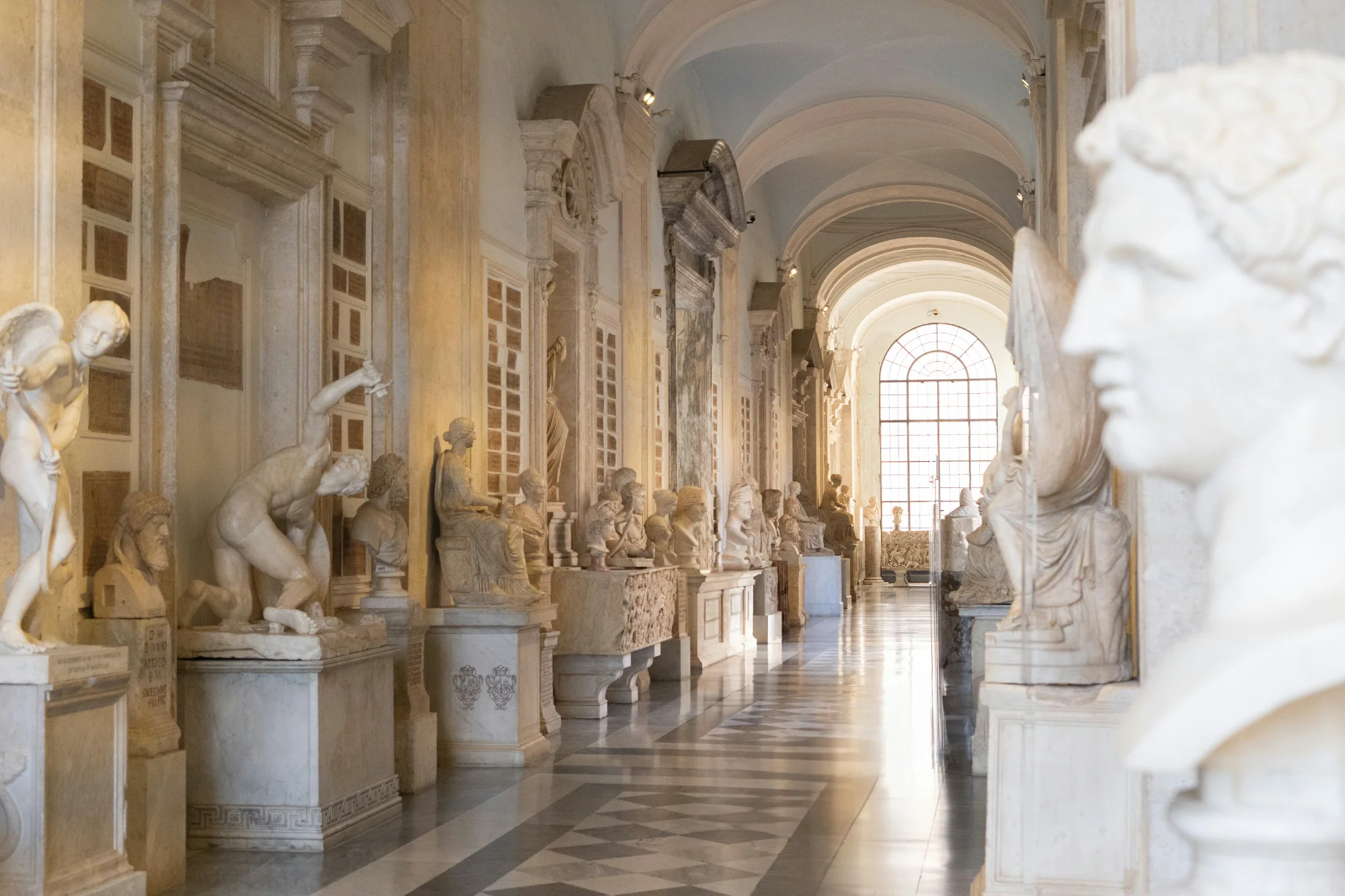
Rome's Essential Museums: The Vatican, Capitoline, Borghese and Beyond
Beyond the open-air ruins of the Forum, the true scale of the ancient and Renaissance worlds survives indoors. The Doria Pamphilj palace still holds gold-adorned private galleries, while the Capitoline preserves imperial bronze sculptures just steps from where they were originally displayed. Sorting through these vast collections requires knowing exactly what you want to see before arriving in Rome.
Culture • Practical Tips • History • Tours • 14 min. read
Rome’s museums offer one of the best ways to understand the city’s rich, layered history. While ancient ruins reveal the grandeur of Rome’s past, its museums preserve the sculptures, paintings, artifacts, and masterpieces that have shaped Western civilization for millennia. From world-renowned collections of classical antiquities and Renaissance art to elegant aristocratic palaces and cutting-edge contemporary galleries, the choices can feel overwhelming. This guide groups Rome's museums by theme, helping you decide which ones are worth your time and how to fit them into your itinerary.
Rome's Essential Museums: Where to Start
If you're visiting Rome for the first time, three museums stand out as the city's essential cultural experiences. Each offers a different perspective on Rome's history and artistic legacy, from the ancient world to the Renaissance and Baroque periods.
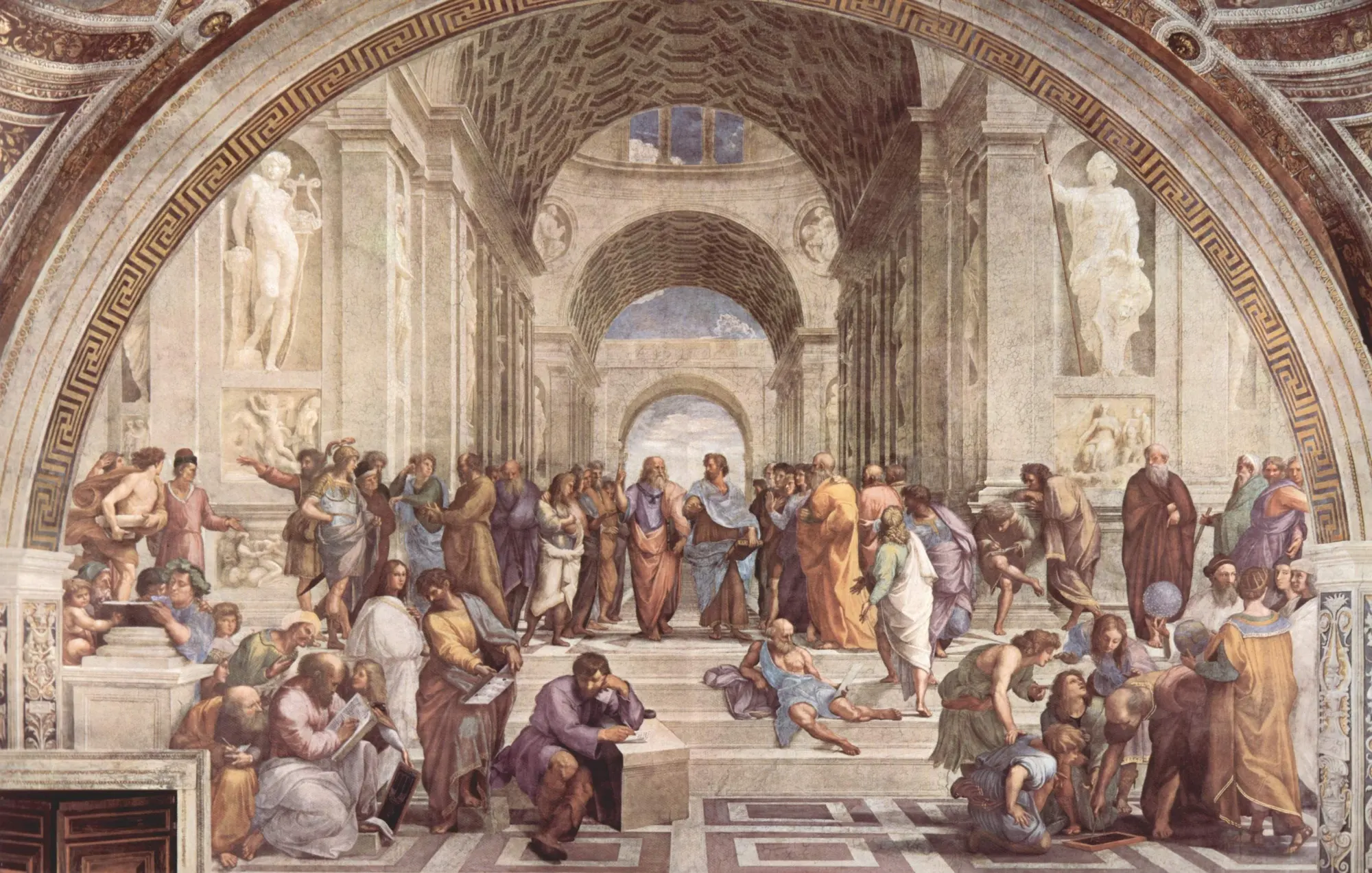
The Vatican Museums are among the world's most famous museum complexes, housing centuries of treasures collected by the popes. The vast galleries feature everything from ancient Roman sculptures and classical masterpieces to Renaissance frescoes by Raphael, before culminating in Michelangelo's breathtaking Sistine Chapel, one of the greatest achievements in Western art. Even if you're not a regular museum visitor, the sheer scale and significance of the collection make it an unforgettable experience. For more tips on visiting Vatican City and the Vatican Museums, check out our detailed guide here. To make the most of your visit, join our Secrets of the Vatican tour, where you'll uncover the fascinating history of Vatican City, learn about the rise and influence of the Catholic Church, and discover how centuries of faith, power, and patronage shaped one of the world's most remarkable cultural and spiritual landmarks.
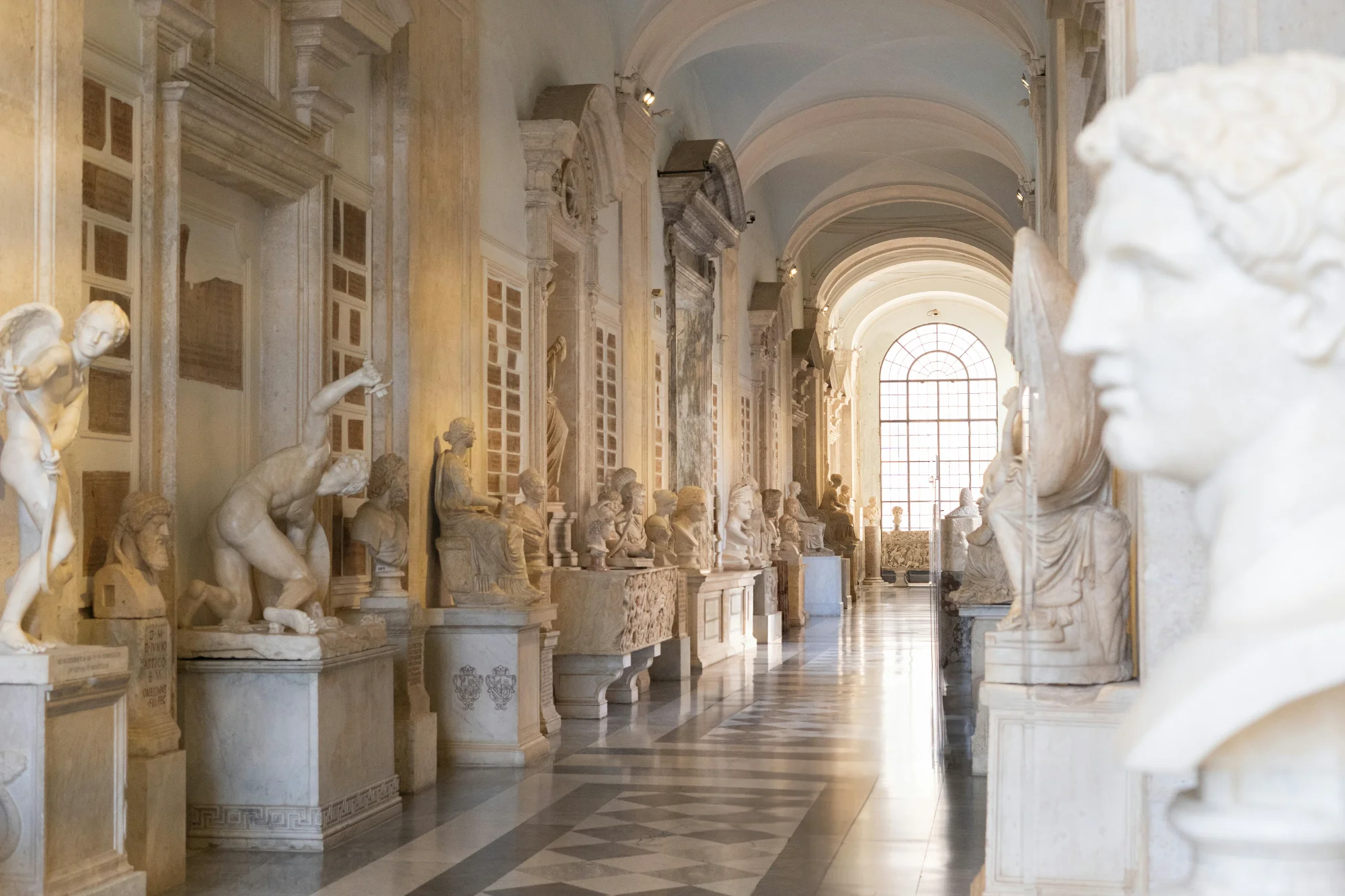
Overlooking the Piazza del Campidoglio on Capitoline Hill, the Capitoline Museums are the world's oldest public museums and one of the best places to understand ancient Rome. Their collections include remarkable bronze and marble sculptures, imperial busts, intricate mosaics, inscriptions, and archaeological finds discovered throughout the city. Highlights include the iconic Capitoline Wolf, the monumental Equestrian Statue of Marcus Aurelius, and spectacular views over the Roman Forum from the museum terraces.
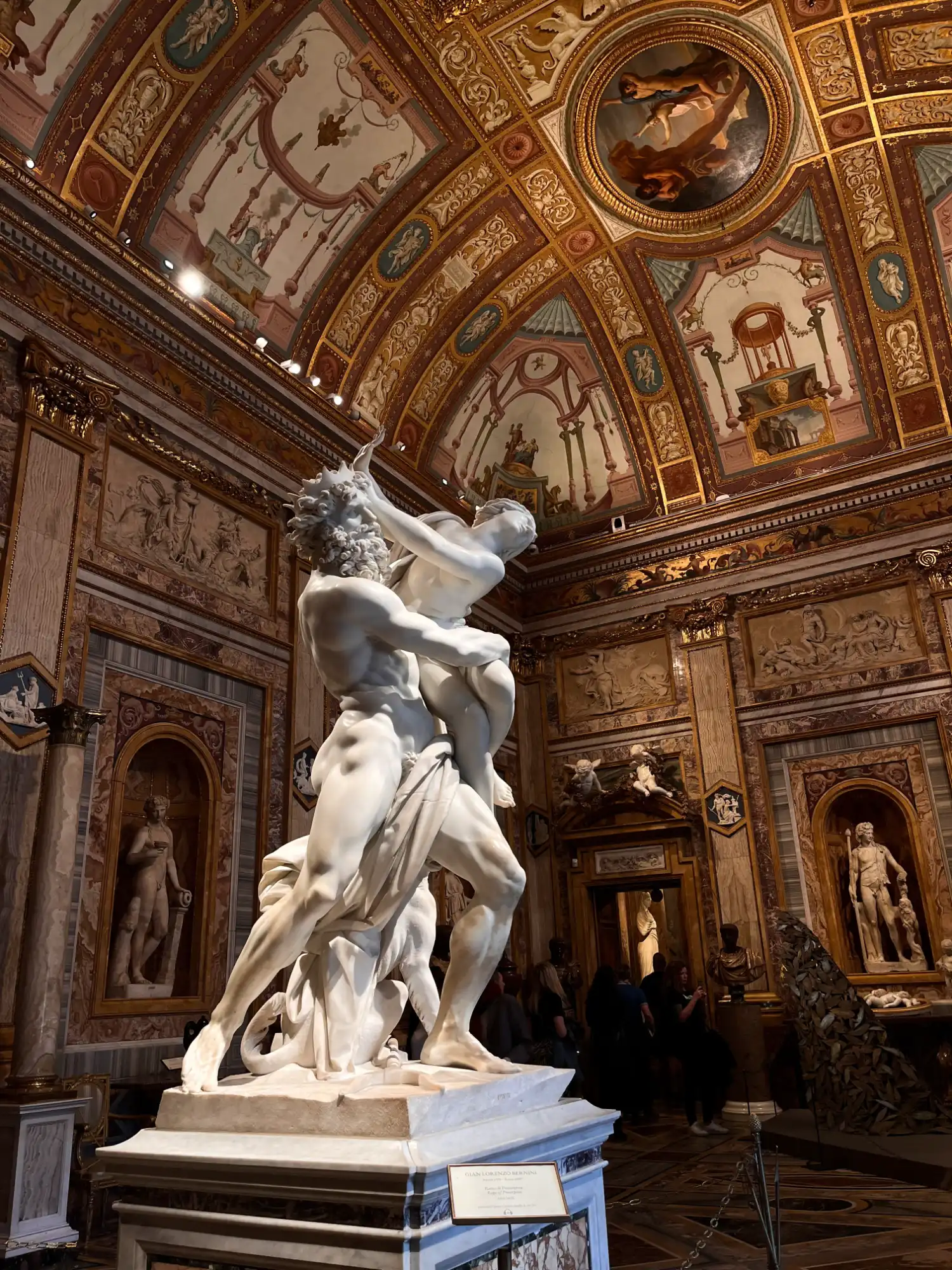
The Borghese Gallery is one of Rome's finest museums, renowned for its outstanding collection of Renaissance and Baroque art in the elegant villa. As one of Rome's most popular museums, the Borghese Gallery limits the number of visitors, with timed entry every 30 minutes to ensure an enjoyable and uncrowded experience. Booking is essential, and vouchers are provided to reserve your tickets in advance, guaranteeing your admission at the selected time. Highlights of the collection include the exquisite sculptures of Antonio Canova and the breathtaking marble works of Gian Lorenzo Bernini, alongside dramatic paintings by Caravaggio. The gallery also features masterpieces by Titian and Veronese, showcasing the richness and beauty of Venetian Renaissance art.
After your visit, take time to explore the surrounding Villa Borghese Gardens, one of Rome's largest and most elegant green spaces. For a deeper understanding of the park's history, hidden landmarks, and the Borghese family's legacy, consider joining our Sunset Tour, which brings the gardens to life through the stories behind one of Rome's most influential noble families.
A Journey Through Ancient Rome: Top Archaeological Museums
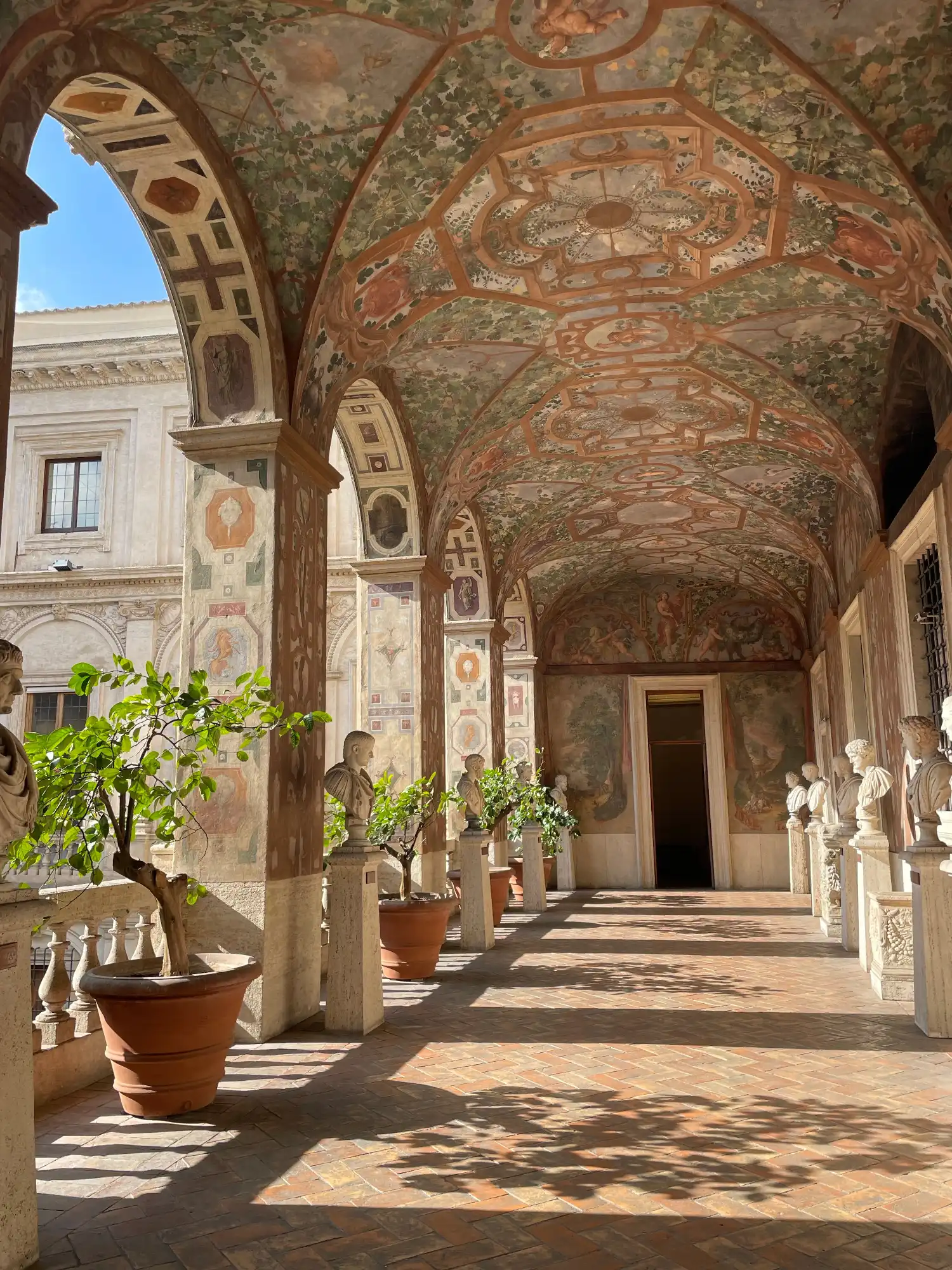
The Museo Nazionale Romano is one of the best places to deepen your understanding of ancient Rome. Spread across several historic locations, the museum is best visited with a combination ticket that grants access to multiple sites: Palazzo Massimo alle Terme, Baths of Diocletian, Palazzo Altemps and Crypta Balbi. Palazzo Massimo alle Terme houses one of Italy's finest collections of classical art, including beautifully preserved Roman frescoes from the Villa of Livia, intricate floor mosaics, elegant marble sculptures, and remarkably lifelike bronze statues. The museum also features an impressive numismatic collection, providing insight into the Roman economy and daily life.
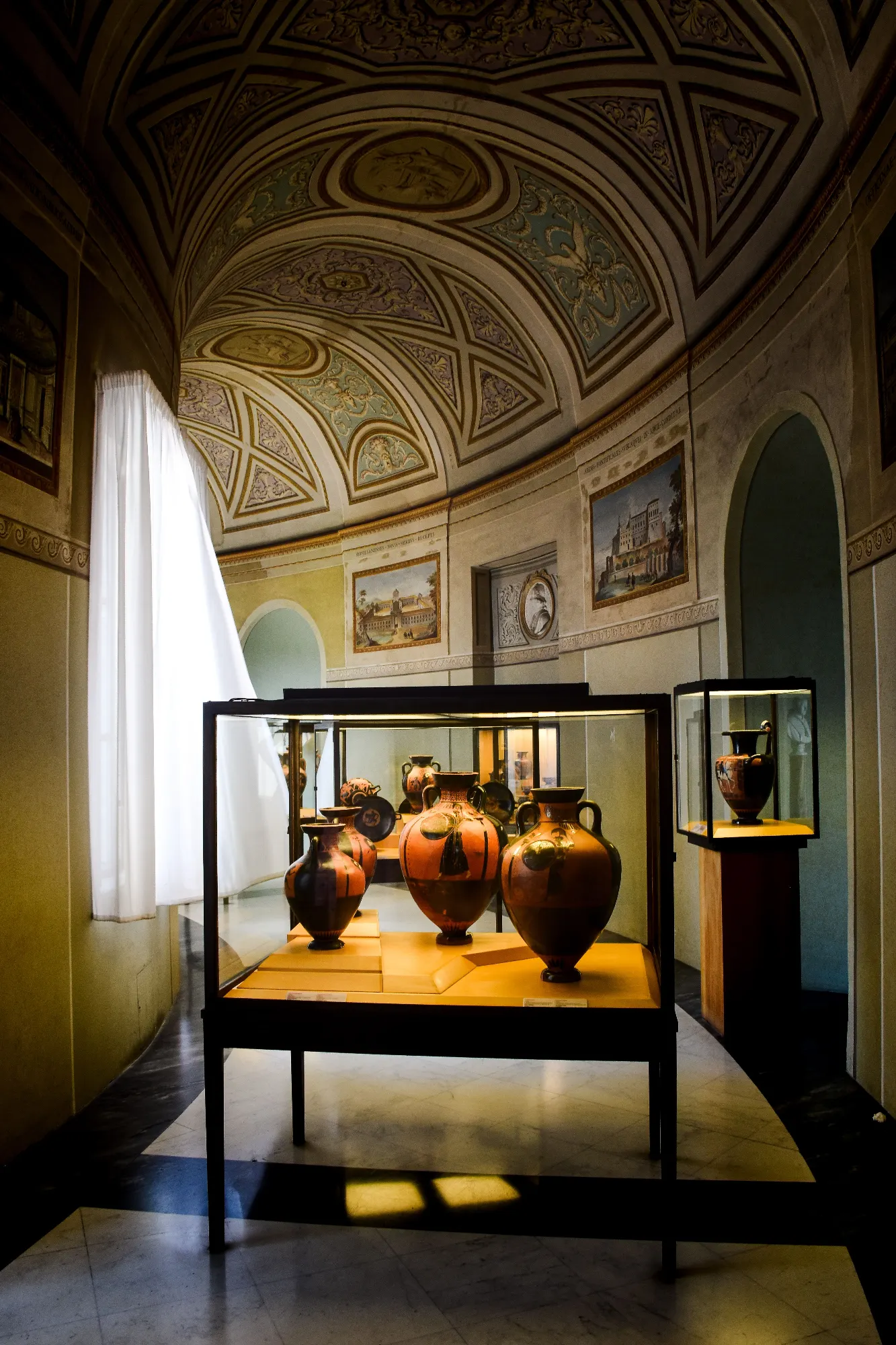
To discover Italy before the rise of Rome, visit the National Etruscan Museum at Villa Giulia. Housed in a magnificent Renaissance villa built for Pope Julius III, the museum contains the world's most important collection of Etruscan art and artifacts. Highlights include the famous Sarcophagus of the Spouses, an extraordinary terracotta funerary monument depicting a reclining couple, as well as finely crafted gold jewelry, painted pottery, bronze mirrors, and ceremonial objects. Together, these collections offer a fascinating glimpse into the sophisticated civilization that flourished in central Italy long before Roman dominance.
Palaces of Art: Rome's Finest Baroque Galleries
Rome's grand aristocratic palaces offer a glimpse into the city's noble past while housing some of its finest art collections. Once the lavish residences of powerful Roman families, these magnificent buildings are attractions in their own right, with richly decorated halls, frescoed ceilings, ornate galleries, and beautifully preserved interiors.
Among the finest is the Galleria Doria Pamphilj, home to one of Europe's most important private art collections. Still owned by the Doria Pamphilj family, the palace is filled with masterpieces displayed in opulent, gold-adorned rooms that have changed little over the centuries. One of the most unforgettable features of the Galleria Doria Pamphilj is its magnificent Mirror Gallery, a lavish corridor lined with gilded mirrors, frescoed ceilings, and ornate decorations. The gallery’s remarkable collection features works by names like Velázquez, Titian, Caravaggio, Raphael, and Bernini.
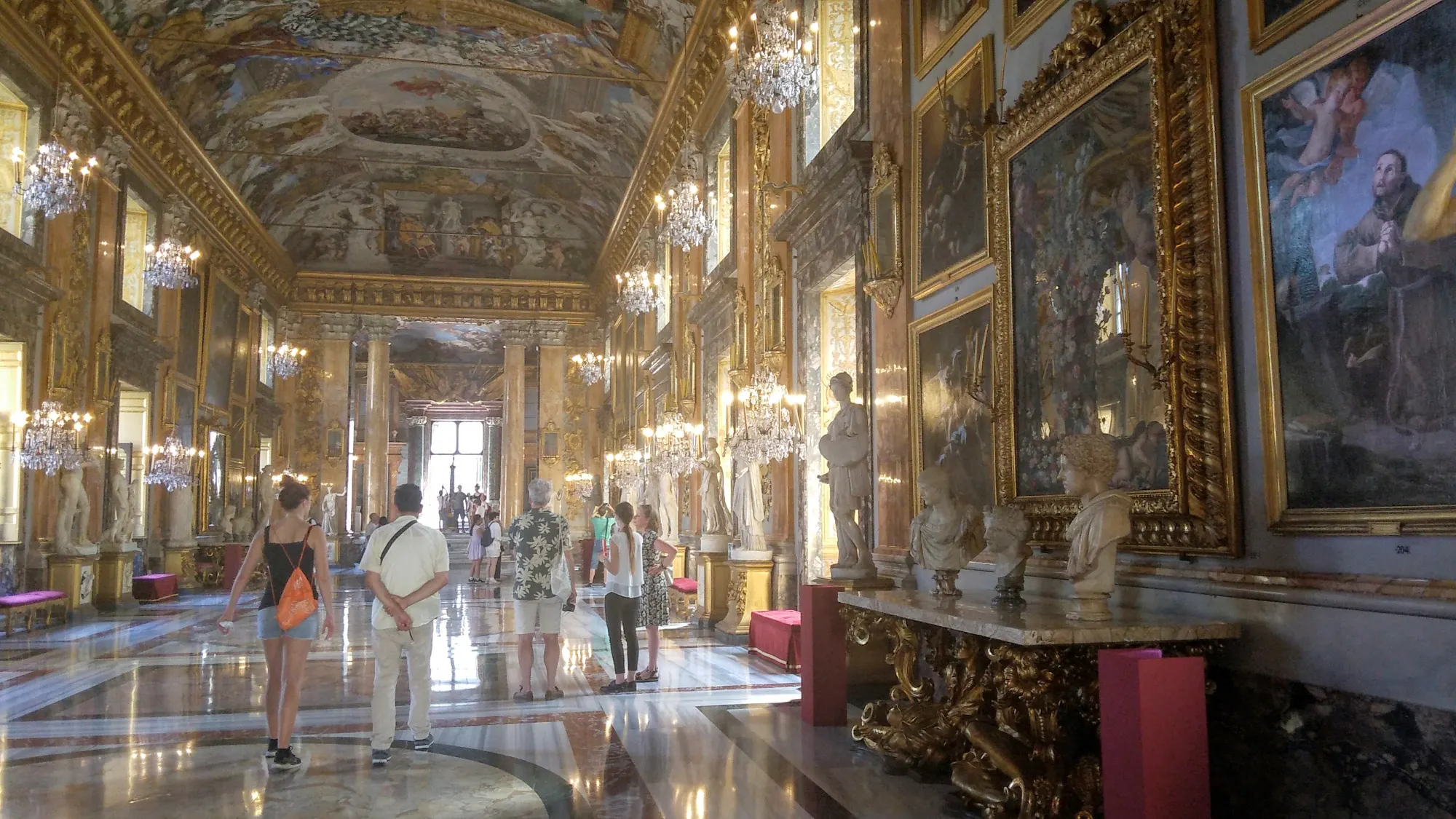
Equally impressive is the Galleria Colonna, renowned for its spectacular Baroque architecture and the breathtaking Great Hall, whose mirrored walls, elaborate frescoes, and lavish decoration rival the grandeur of the Palace of Versailles. Among the renowned artists represented are names like Bronzino and Tintoretto, alongside an impressive collection of classical sculptures and centuries of Colonna family portraits. As Palazzo Colonna remains partly a private residence, the gallery has limited opening hours and is typically open to visitors for just four hours on Fridays and Saturdays. Be sure to check the latest schedule before planning your visit.
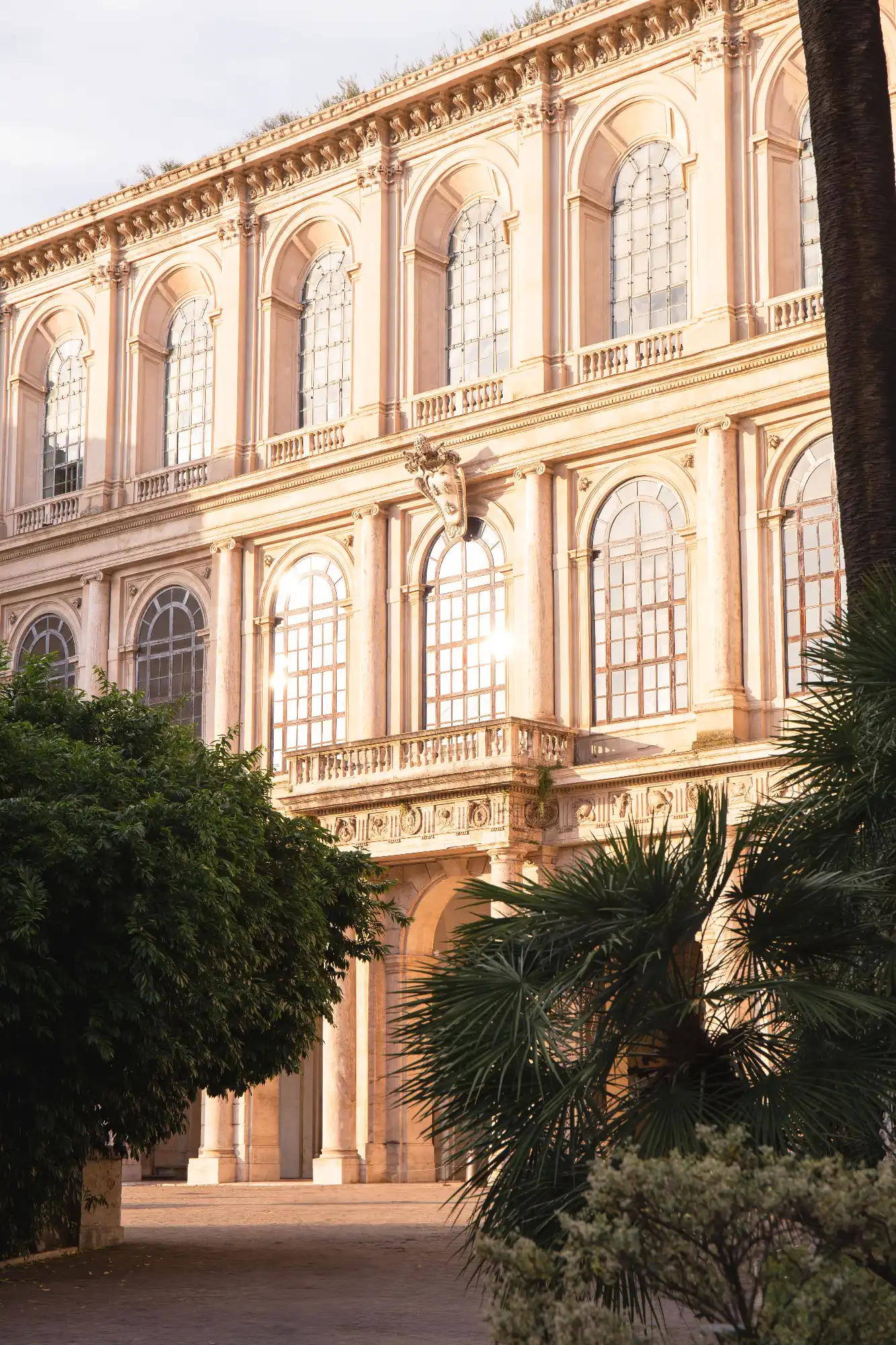
Palazzo Barberini, home to the Galleria Nazionale d’Arte Antica, is one of Rome’s most important art museums and a magnificent example of Baroque architecture. Built for the powerful Barberini family, the palace houses an exceptional collection of Renaissance and Baroque masterpieces, including works by Raphael, Caravaggio, Titian, and El Greco. Among its most celebrated highlights are Raphael’s La Fornarina and Caravaggio’s dramatic Judith Beheading Holofernes, alongside a remarkable selection of portraits, religious paintings, and decorative arts. The museum is often paired with a visit to the nearby Galleria Corsini, which completes the collection with further masterpieces from the same periods. Both galleries can be visited with the same ticket.
For a more intimate Renaissance experience, Villa Farnesina in Trastevere offers a quieter alternative to Rome’s larger museums. This elegant 16th-century villa is renowned for its extraordinary frescoes by Raphael and his workshop, including the famous Triumph of Galatea, as well as works by artists such as Sebastiano del Piombo and Baldassarre Peruzzi. With its beautifully preserved rooms and riverside setting, Villa Farnesina provides a rare glimpse into the refined world of Renaissance Rome and the private life of its wealthy patrons.
Beyond the Classics: Modern and Contemporary Art in Rome
Although Rome is world-famous for its ancient ruins, Renaissance masterpieces, and Baroque treasures, the city’s artistic story continues into the present day. A growing contemporary art scene has transformed former industrial spaces, innovative architectural landmarks, and historic buildings into vibrant centers for modern creativity.
The highlight of Rome’s contemporary art landscape is the MAXXI – National Museum of 21st Century Arts, designed by the renowned architect Zaha Hadid. With its striking flowing forms, dramatic curves, and innovative use of space, the building itself is considered a masterpiece of contemporary architecture. Inside, the museum hosts exhibitions dedicated to contemporary art, architecture, photography, and design, featuring works by leading Italian and international artists.
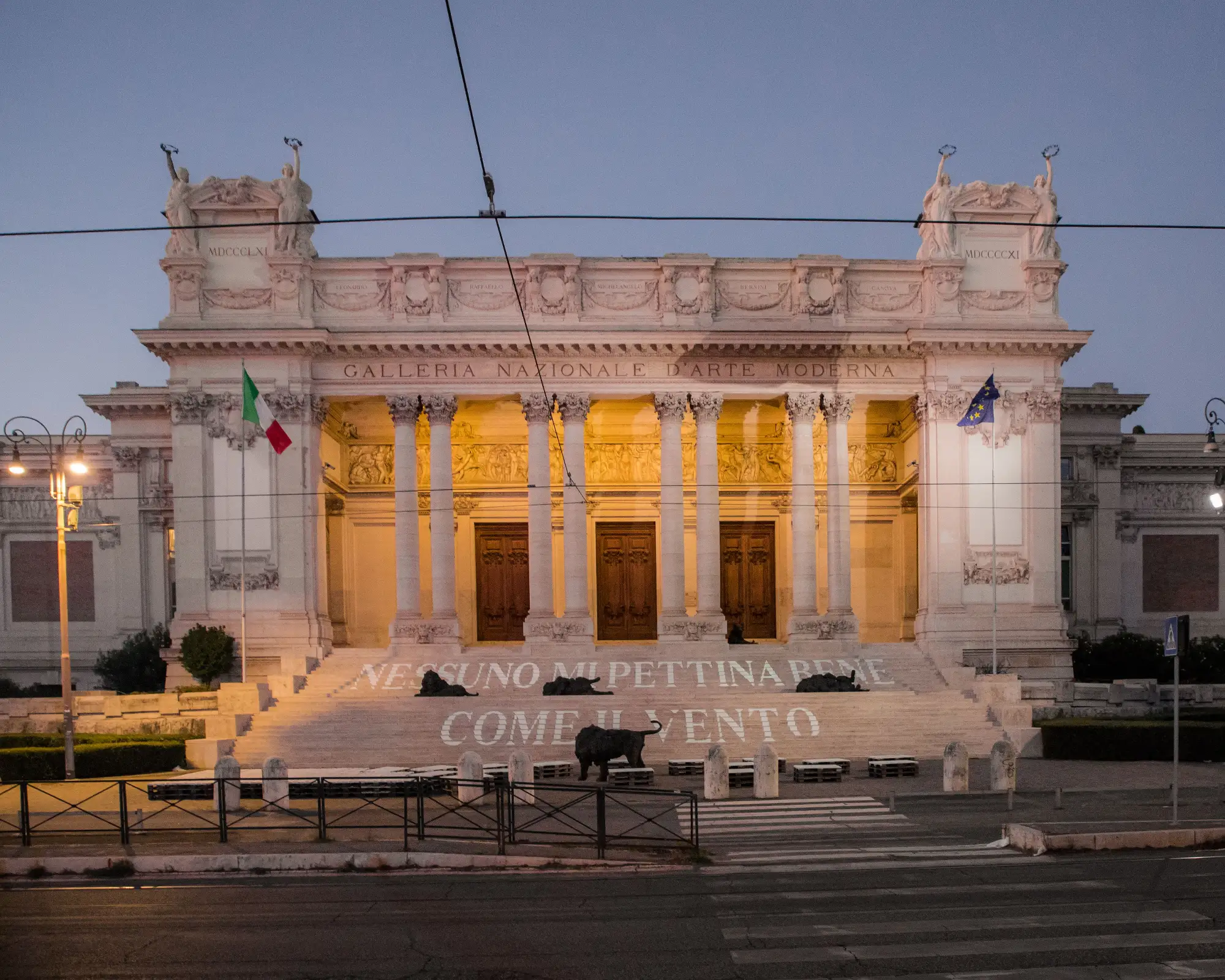
Located near Villa Borghese, the National Gallery of Modern and Contemporary Art (GNAM) offers a fascinating journey through Italian and international art from the 19th century to today. Housed in an elegant neoclassical building, the museum features works by artists such as Van Gogh, Monet, Modigliani, Boccioni, and de Chirico, showcasing movements ranging from Impressionism and Symbolism to Futurism and contemporary art.
The MACRO – Museum of Contemporary Art of Rome offers another perspective on Rome’s modern artistic identity. Spread across two locations, the museum presents a changing program of exhibitions, installations, and experimental projects that highlight emerging artists as well as established names from the contemporary scene.
A unique extension of MACRO is Mattatoio, located in a former slaughterhouse in the Testaccio district. The vast industrial spaces, with their original architecture and raw atmosphere, now provide a striking setting for contemporary exhibitions, performances, and cultural events. A visit here offers more than an art experience—it reveals the transformation of one of Rome’s historic working-class neighborhoods from an industrial area into one of the city’s most creative cultural hubs. To discover more about Testaccio's history and present day life, join our Taste and Traditions of Rome tour, where we explore more the history, culinary traditions, authentic every-day life and the urban side of Rome.
Hidden Gems, Unique Experiences, Changing Exhibitions, and Niche Museums in Rome
Beyond Rome’s world-famous museums, the city offers a fascinating collection of smaller institutions, historic buildings, and specialized spaces that reveal different sides of its artistic, cultural, and historical identity. These hidden gems are ideal for travelers looking to explore beyond the classic highlights.
Architectural Gems and Unique Exhibition Spaces
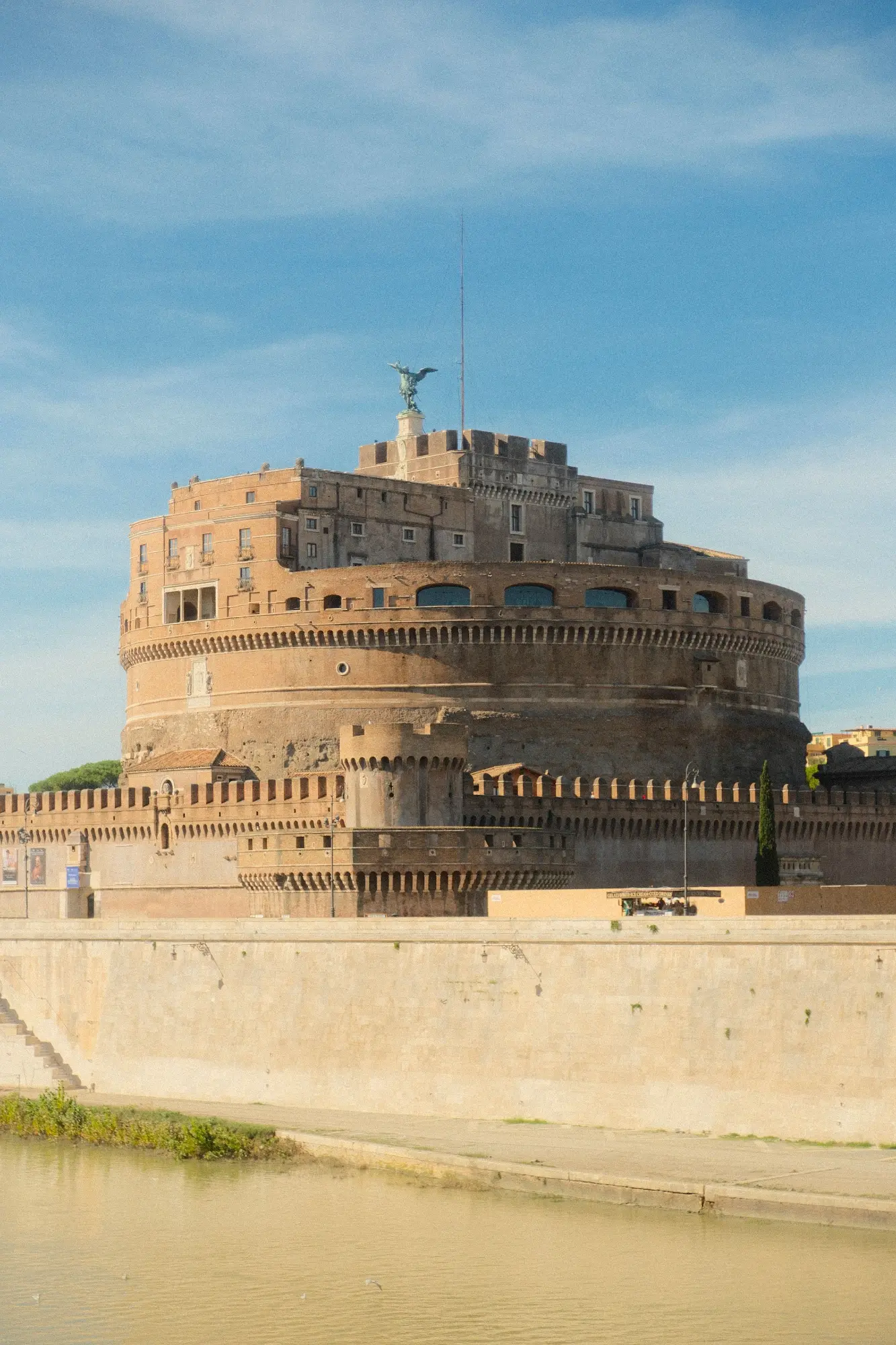
Castel Sant'Angelo combines nearly two thousand years of history, from its origins as Emperor Hadrian’s mausoleum to its later role as a papal fortress and military stronghold. Today, visitors can explore its historic rooms, defensive structures, and panoramic terraces overlooking Rome.
Chiostro del Bramante is one of Rome’s finest Renaissance architectural treasures. Designed by Donato Bramante in the late 15th century, the elegant cloister now hosts temporary exhibitions of modern and contemporary art, creating a striking dialogue between Renaissance architecture and today’s creative scene.
Centrale Montemartini offers one of Rome’s most unusual museum experiences, displaying ancient Roman sculptures, mosaics, and archaeological treasures inside a former power plant where marble statues stand alongside massive turbines and industrial machinery.
Villa Torlonia provides a peaceful escape from the city center, combining a historic park with elegant buildings, including the neoclassical Casino Nobile and the whimsical Casina delle Civette, famous for its colorful stained-glass decorations.
Palazzo Bonaparte – Overlooking Piazza Venezia, this elegant 17th-century palace is one of Rome’s most popular exhibition venues, hosting major shows dedicated to renowned artists, historical figures, and cultural movements within beautifully preserved interiors.
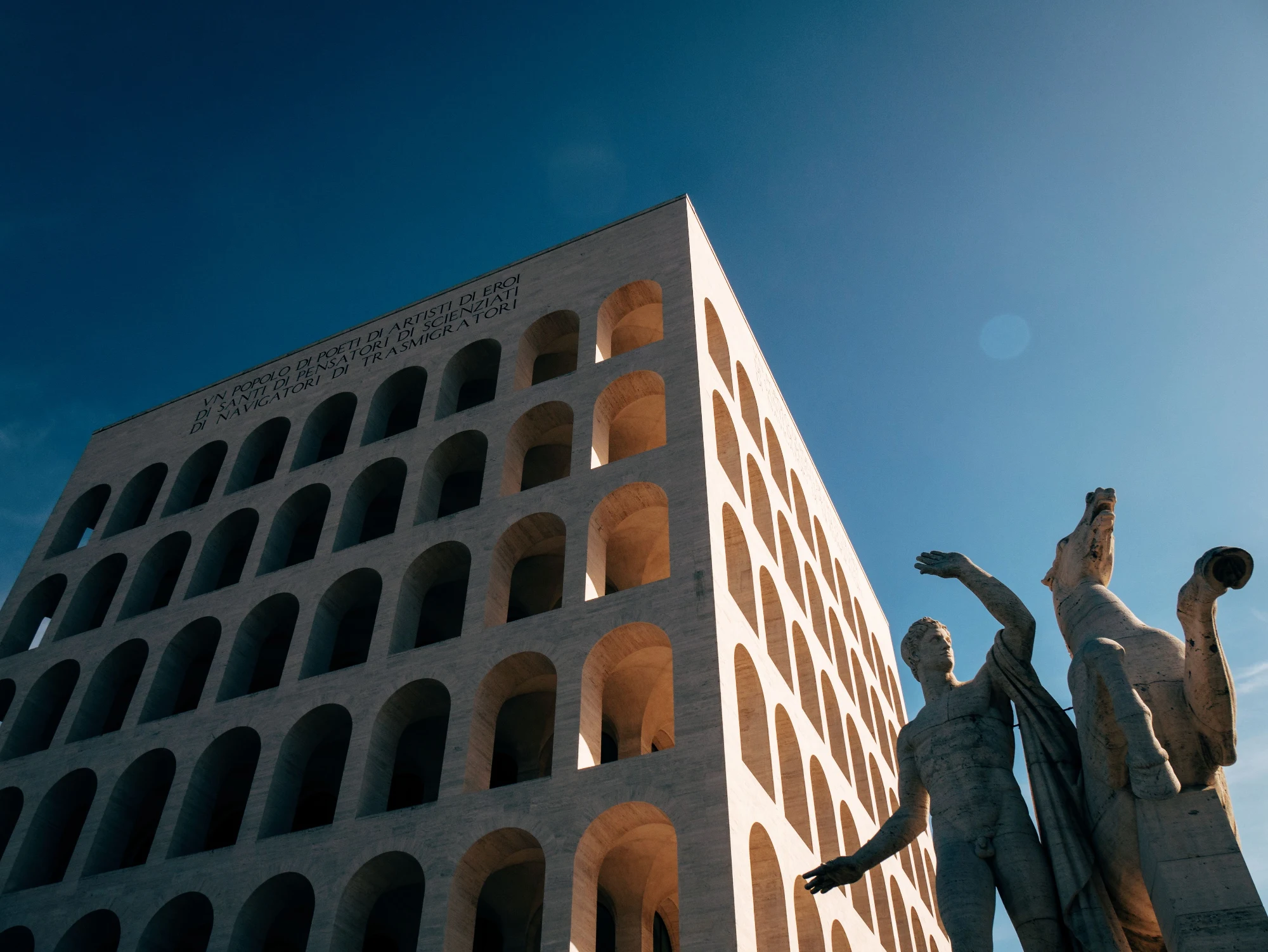
EUR district offers a completely different perspective on Rome, with its bold 20th-century rationalist architecture, wide avenues, and monumental buildings. Originally developed for the 1942 Universal Exhibition, the neighborhood has become a fascinating destination for those interested in modern architecture and WW2 history. The area is home to a fascinating group of museums that explore different perspectives on history, culture, and science, including the Museo delle Civiltà, Museo Nazionale dell’Alto Medioevo, and Museo della Civiltà Romana.
House Museums: A Personal Glimpse into Rome’s Cultural History
Rome’s house museums offer a more intimate way to discover the lives, passions, and creative worlds of the people who shaped the city’s history. Preserved apartments, personal objects, and original interiors create a unique connection between visitors and the figures behind the stories. Rome's house museums include for example:
Napoleonic Museum – Dedicated to Napoleon Bonaparte and his family, this museum displays portraits, furniture, clothing, and personal memorabilia that explore the Bonaparte dynasty’s connection with Rome.
Pietro Canonica Museum – Located in Villa Borghese, this former home and studio of sculptor Pietro Canonica preserves his living spaces alongside his sculptures, paintings, and personal belongings.
Keats-Shelley House – Situated beside the Spanish Steps, this museum commemorates the Romantic poets John Keats and Percy Bysshe Shelley through letters, manuscripts, and personal items connected to their lives in Rome.
Casa Museo Giorgio de Chirico – Located in the apartment where the surrealist artist lived and worked near Piazza di Spagna, this museum preserves his studio atmosphere, artworks, and the Roman views that inspired his imagination.
Family-Friendly Experiences
For families, Rome offers interactive museums and digital experiences that bring history to life.
Explora – Il Museo dei Bambini di Roma provides hands-on educational activities for children.
Domus Aurea Virtual Reality Experience and Welcome to Rome exhibition use immersive technology to recreate the ancient city and its monuments.
Free museums and historical sites
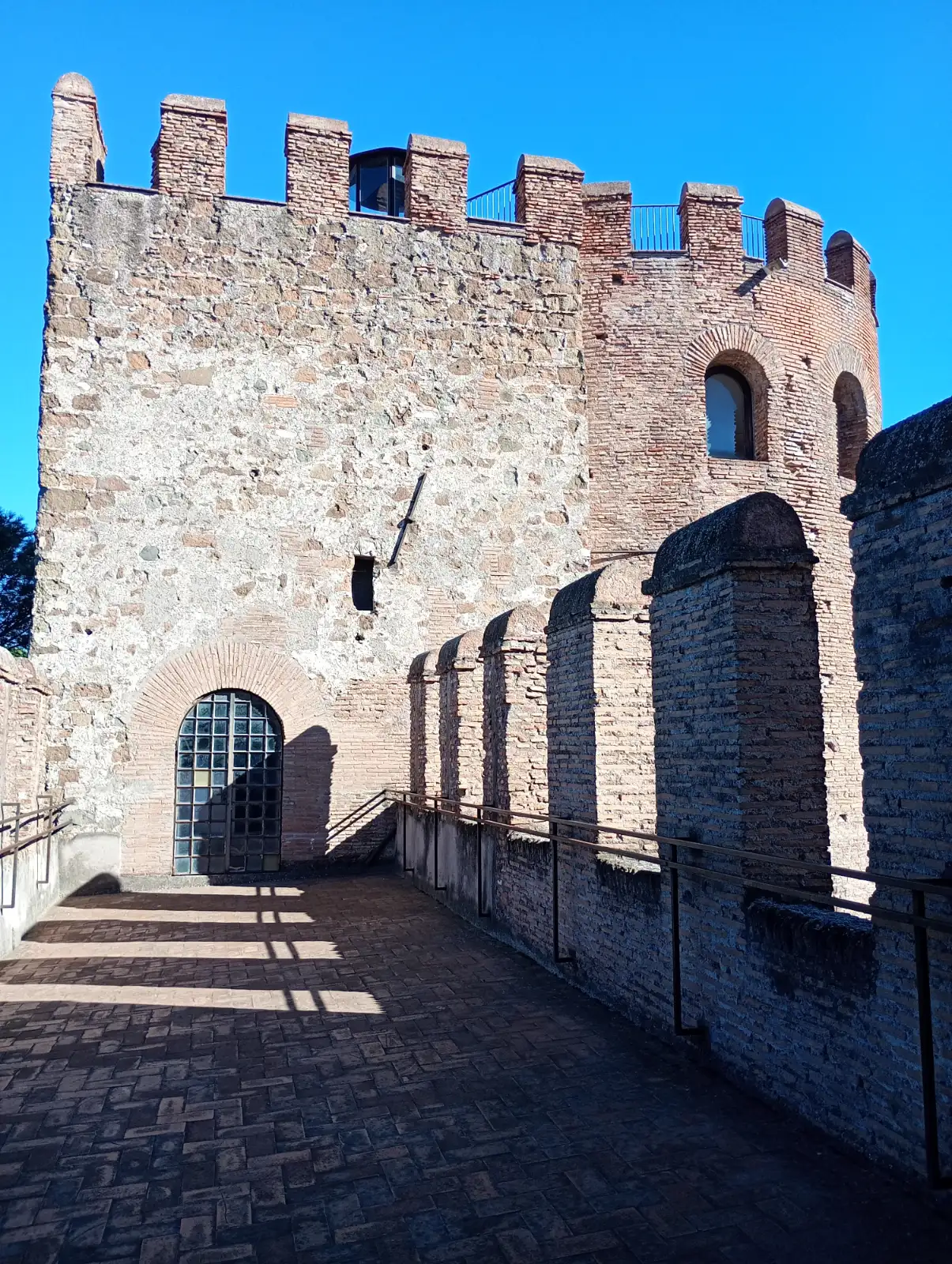
Museo delle Mura – Located inside the Aurelian Walls near Porta San Sebastiano, this museum explores the history, construction, and defensive role of Rome’s ancient fortifications, with access to sections of the original walls and towers. As a plus, great views from the top over the historical Appian Way.
Museo Garibaldino – Situated on the Janiculum Hill, this small museum is dedicated to Giuseppe Garibaldi and the events of the 1849 Roman Republic, displaying weapons, documents, and memorabilia connected to the Italian unification movement.
Your Guide to Visiting Rome's Museums: Tickets, Tips, and Timing
A little planning can make a big difference when visiting Rome’s museums. The busiest times at major attractions are usually mid-morning and early afternoon, so choosing an early morning or late afternoon visit can help you avoid the largest crowds and enjoy a more relaxed experience.
Whenever possible, book your tickets in advance and always try to arrive on time. Many of Rome’s most popular museums, including the Vatican Museums and Galleria Borghese, have a limited number of daily tickets, and during peak season they can sell out weeks or even several months ahead. If you miss out, it is sometimes worth checking again the day before your visit, as additional tickets may occasionally be released for the following day. To avoid scams and inflated prices, always purchase tickets through the official museum websites.
Travelers looking to save on entrance fees should also keep Rome’s free admission days in mind. Many state and civic museums offer free entry on the first Sunday of each month, while the Vatican Museums open for free on the last Sunday of the month. Larger crowds are expected on these days, but usually the worst crowds gather in the morning, and later afternoon and evening tend to be calmer.
Beyond the city’s most famous museums, Rome offers a wealth of smaller and lesser-known collections where crowds are often much lighter. Unless this is your first visit and you are determined to see the major highlights, consider adding one of these hidden gems to your itinerary—you may discover a quieter, more personal side of Rome’s incredible cultural heritage.
Rome’s museum scene is as vast and diverse as the city itself, stretching from ancient Roman archaeology and Renaissance masterpieces to contemporary art, hidden collections, and unique cultural spaces. We hope these lists have helped you better understand the incredible variety and complexity of Rome’s museums and inspired you to choose the experiences that best match your interests during your visit. We are waiting to see you in one of our walking tours to explore Rome's cultural and artistic heritage together!
Related stories
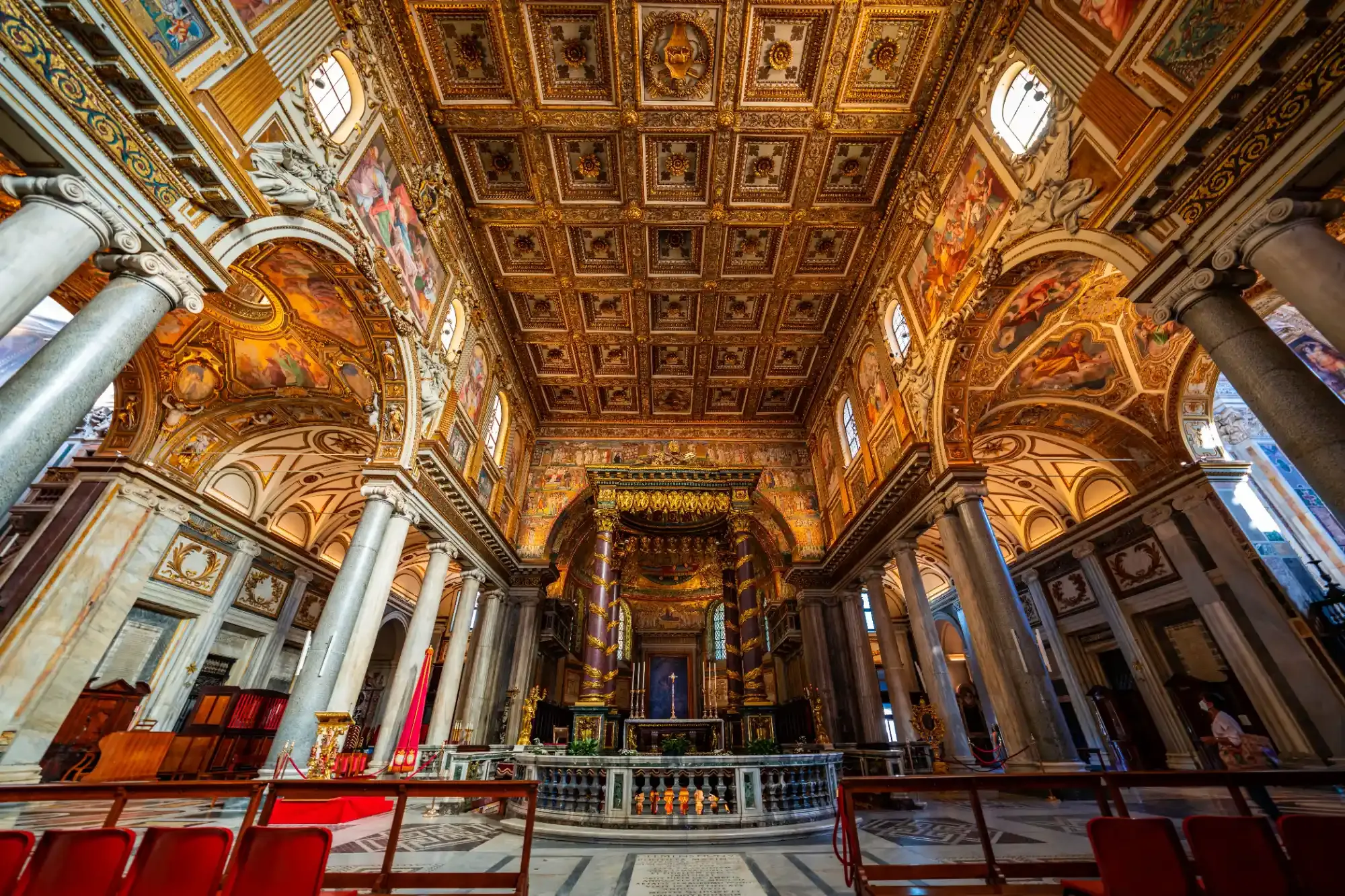
History • 10 min. read
A Guide to Rome's Major Papal Basilicas and Historic Churches
Much of the finest art in Rome is not kept behind museum glass, but inside the chapels of active churches and ancient basilicas. You can stand beneath the 5th-century mosaics of Santa Maria Maggiore or study Caravaggio’s mastery of light in San Luigi dei Francesi just by walking through the doors. This guide outlines which religious sites hold significant Renaissance and Baroque works, and how to fit them into your visit.
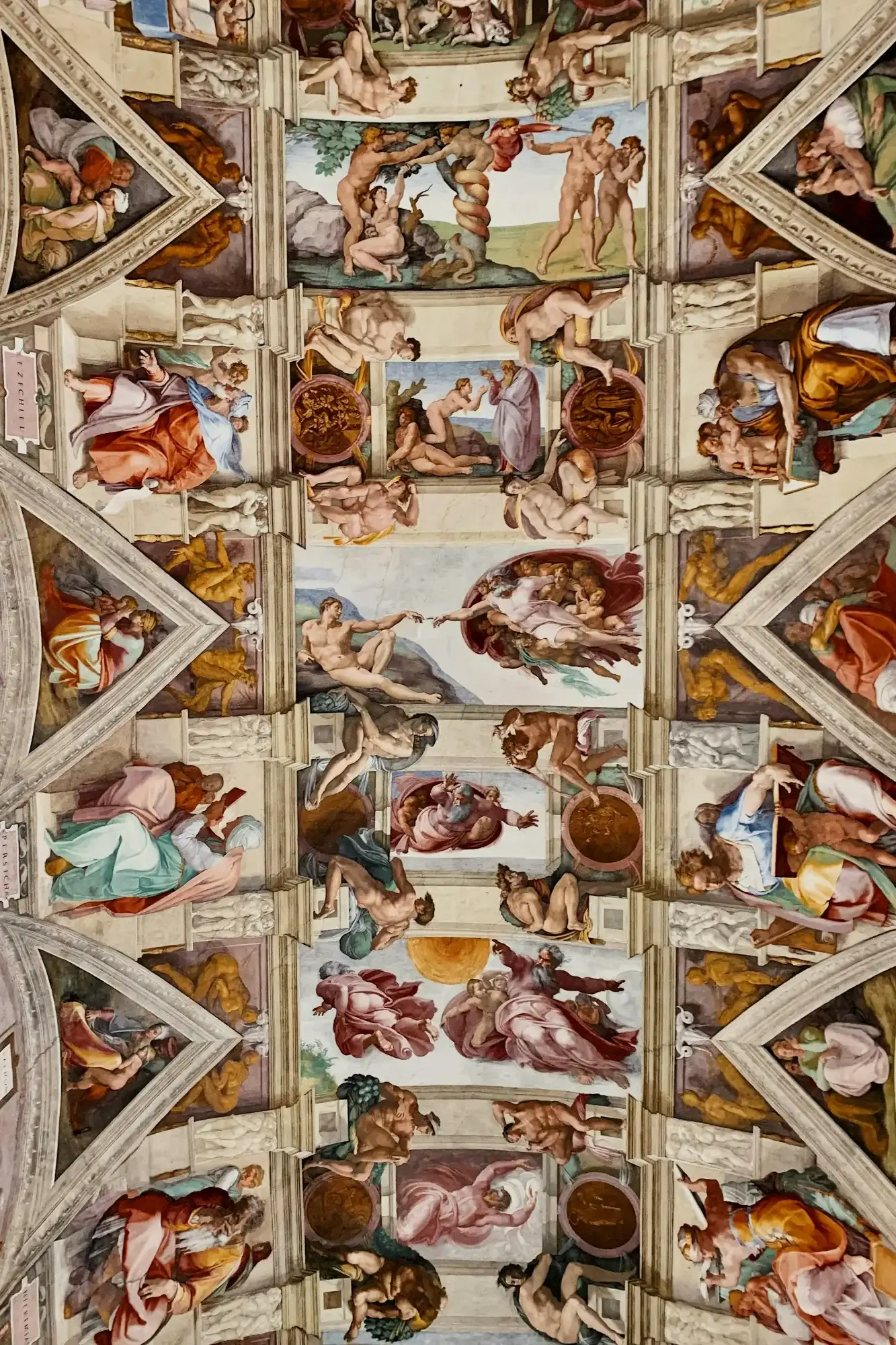
Culture • Practical Tips • History • 8 min. read
A Practical Guide to Visiting the Vatican: Tips from you Local Walkative Guide
Planning a trip to Vatican City and not sure where to begin? You’re in the right place!
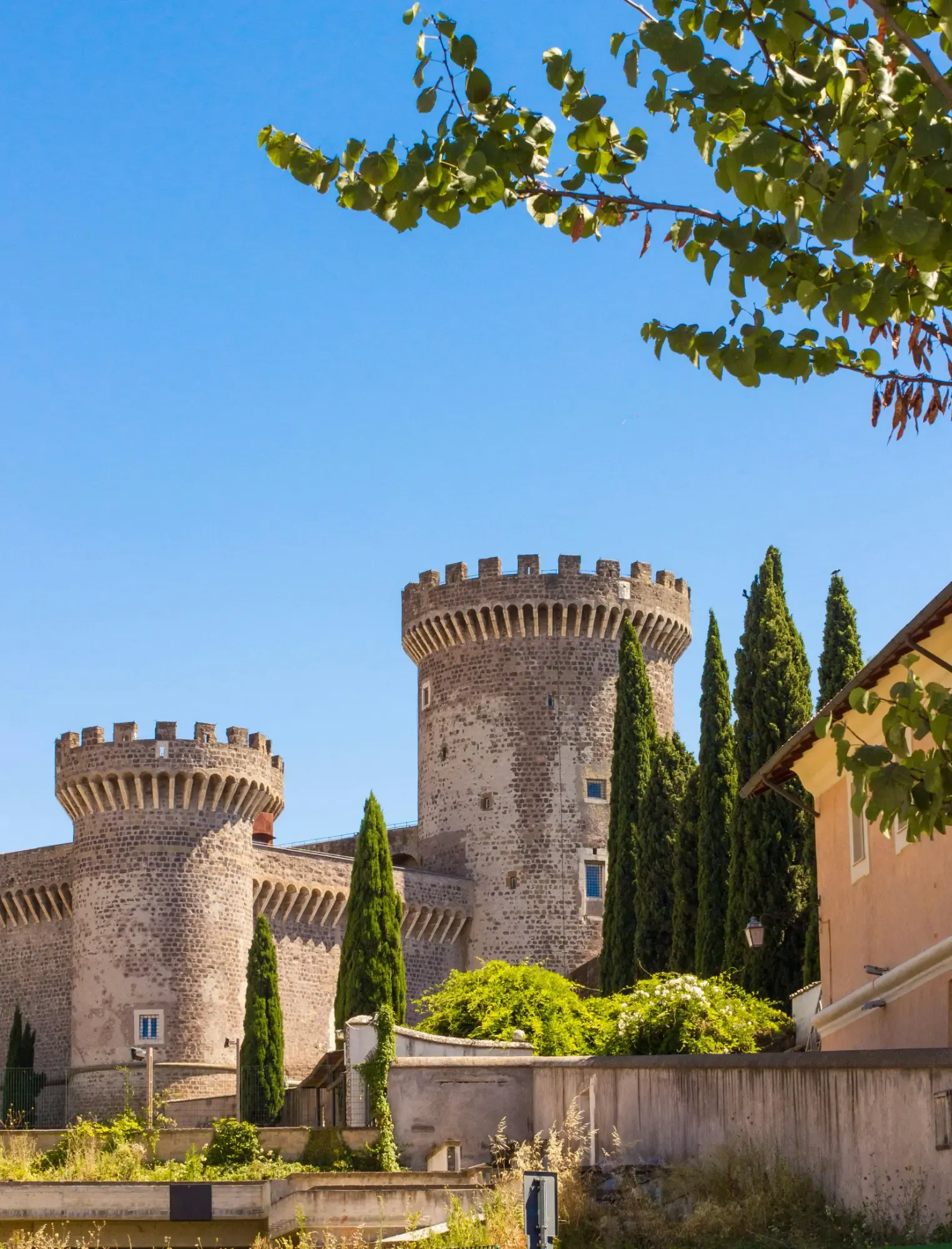
Culture • Practical Tips • History • Food • 7 min. read
Day Trips from Rome: Seaside and Historic Towns
During the warmer months, residents of Rome often leave the city behind to swim in the volcanic basin of Lake Bracciano or walk through the shaded Renaissance gardens of Villa d'Este. The surrounding Lazio region is defined by these quiet retreats, ranging from papal summer residences in the Castelli Romani to ancient Etruscan burial mounds. Relying on the local regional trains makes it straightforward to reach these hilltop villages and coastal towns in under an hour.
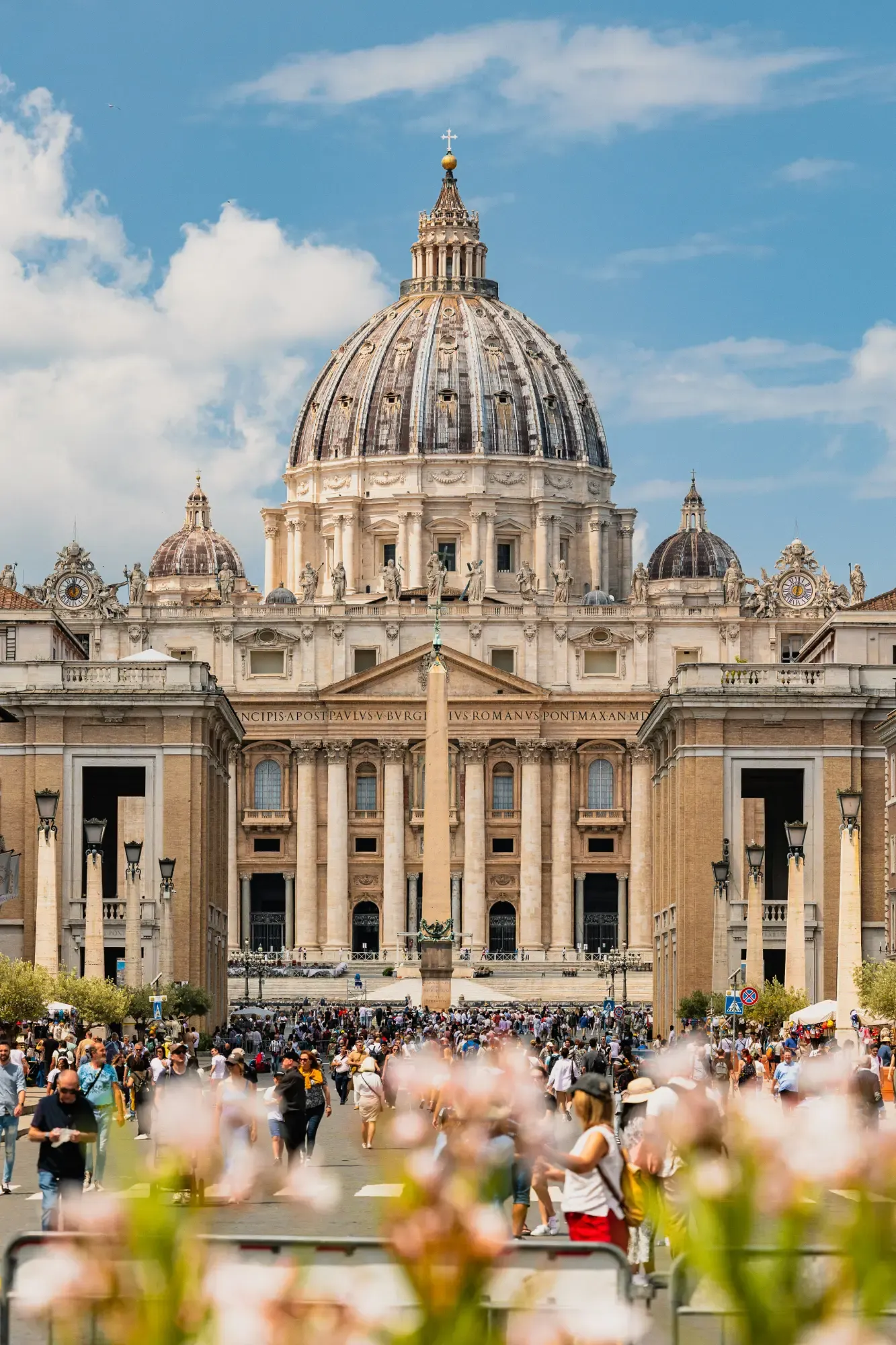
Culture • Practical Tips • 5 min. read
Easter in Rome 2026 - A Guide to Holy Week
Discover the essential dates and traditions for Easter in Rome 2026. From the Colosseum's Via Crucis to Vatican Mass, prepare for Holy Week with our practical travel guide.

Culture • Practical Tips • History • 7 min. read
Exploring the Ancient Roots of Rome's Water System and Free Fountains
Explore Rome's enduring water legacy. From ancient aqueducts to modern free nasoni fountains, discover how this unbroken engineering tradition still quenches the city's thirst today.