Day Trips from Rome: Tivoli, Lakes, and Historic Towns
During the warmer months, residents of Rome often leave the city behind to swim in the volcanic basin of Lake Bracciano or walk through the shaded Renaissance gardens of Villa d'Este. The surrounding Lazio region is defined by these quiet retreats, ranging from papal summer residences in the Castelli Romani to ancient Etruscan burial mounds. Relying on the local regional trains makes it straightforward to reach these hilltop villages and coastal towns in under an hour.
Culture • Practical Tips • History • Food • 7 min. read
Rome is a city overflowing with history, art, and stories, but the best way to enjoy the Italian experience is sometimes to venture beyond its bustling streets. Just a short journey from the capital lies a world of hidden gems—from charming medieval towns perched on hills to sun-drenched beaches and ancient ruins. Whether you’re seeking history, nature, or a slower pace, these nearby escapes offer the perfect day-trip adventures and a refreshing change of scenery.
Tivoli: Villas and Historic Gardens
Just east of Rome lies Tivoli, a destination renowned for its trio of spectacular villas, making it a perfect retreat for history and nature lovers alike. The crown jewel is Villa d'Este, famous for its elaborate Renaissance terraced gardens and hundreds of fountains. Nearby, you can explore the massive ancient ruins of Villa Hadriana, the Emperor Hadrian's summer residence, or take a walk through the lush, wooded landscapes of Villa Gregoriana with its stunning waterfalls.
How to get there: The most convenient way to reach Tivoli is by taking a regional train from Roma Tiburtina station to the Tivoli station. The journey takes approximately 45 minutes to an hour. From the station, Villa Gregoriana is a short walk, while local buses connect you to Villa Hadriana.
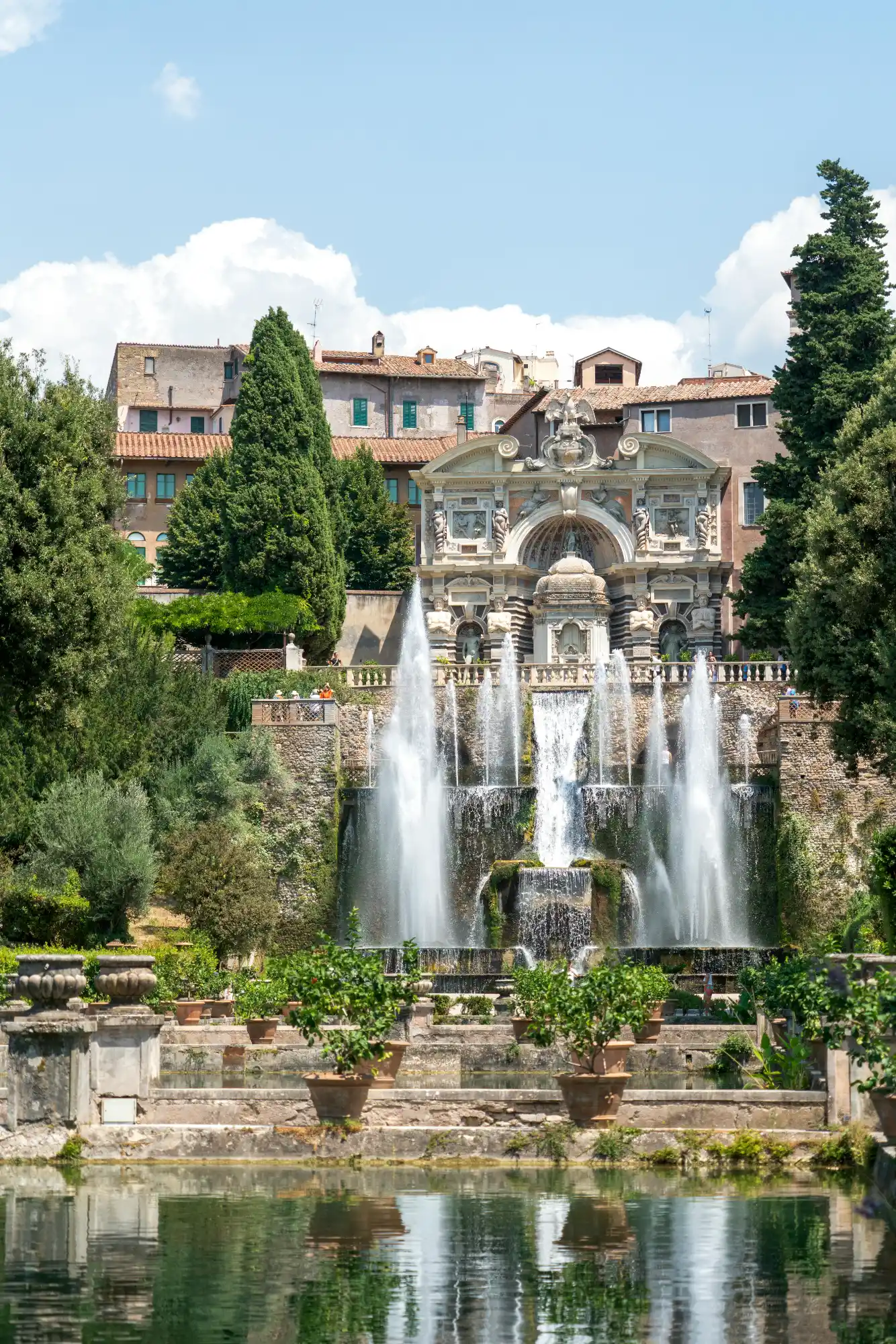
The magnificent Fontana di Nettuno of Villa d'Este, surrounded by the Renaissance gardens and its remarkably advanced hydraulic water system - one of the masterpieces of Italian garden design.
Exploring the Castelli Romani: Hilltop Villages and Wine Country
The Castelli Romani (the “Roman Castles”) combine nature, history, cuisine, and local culture in a way that feels very different from Rome—despite being just 20–30 minutes away. These villages are a collection of charming hilltop towns nestled among volcanic hills, vineyards, and lush forests. The scenery is greener, cooler, and more relaxed than Rome—something Romans have appreciated since ancient times. The name Castelli Romani reflects its history as a favored summer retreat, where aristocratic families built residences to escape the city’s heat.
Frascati – Wine and White Villas
Frascati is the most famous of the Castelli Romani villages, celebrated for its crisp white wine and elegant villas. Stroll through its historic center, enjoy a meal at a traditional fraschetta tavern, or visit a local vineyard to taste wines straight from the source. Its sunny piazzas and panoramic views make it a favorite for both locals and travelers.
Castel Gandolfo – Papal Charm by the Lake
Perched above Lake Albano, Castel Gandolfo is famous as the Pope’s summer residence. The town’s narrow streets, charming cafes, and the lush Barberini Gardens make it a serene spot for a stroll. Hiking trails around the lake offer breathtaking views, and the lake waters are perfect for a refreshing summer swim.
Marino – Festivals and Tradition
Marino is renowned for its culinary traditions and vibrant festivals. In October, the town hosts the famous Sagra del Vino Wine Festival, where fountains historically spouted wine instead of water—a celebration of its winemaking heritage. Its medieval streets and lively piazzas create an authentic Italian village atmosphere.
Nemi – Strawberry Town
Small but picturesque, Nemi sits above its namesake lake and is famous for its wild strawberries. The town’s medieval architecture, quaint streets, and scenic viewpoints make it perfect for a leisurely walk, especially in June when the Sagra delle Fragole Strawberry Festival fills the town with local treats and celebrations.
How to get there: The easiest way to explore the Castelli Romani is by train from Rome’s Termini Station. Frascati: About 30 minutes on the regional FL4 train. The station is a short walk from the town center. Castel Gandolfo: Roughly 45 minutes on a direct FL4 train. The town center is uphill from the station; take a local bus, taxi, or enjoy a scenic walk. Marino: Around 40 minutes via the FL4 line. Nemi: Take the FL4 train to Velletri or Genzano, then a local bus or taxi up to the village.
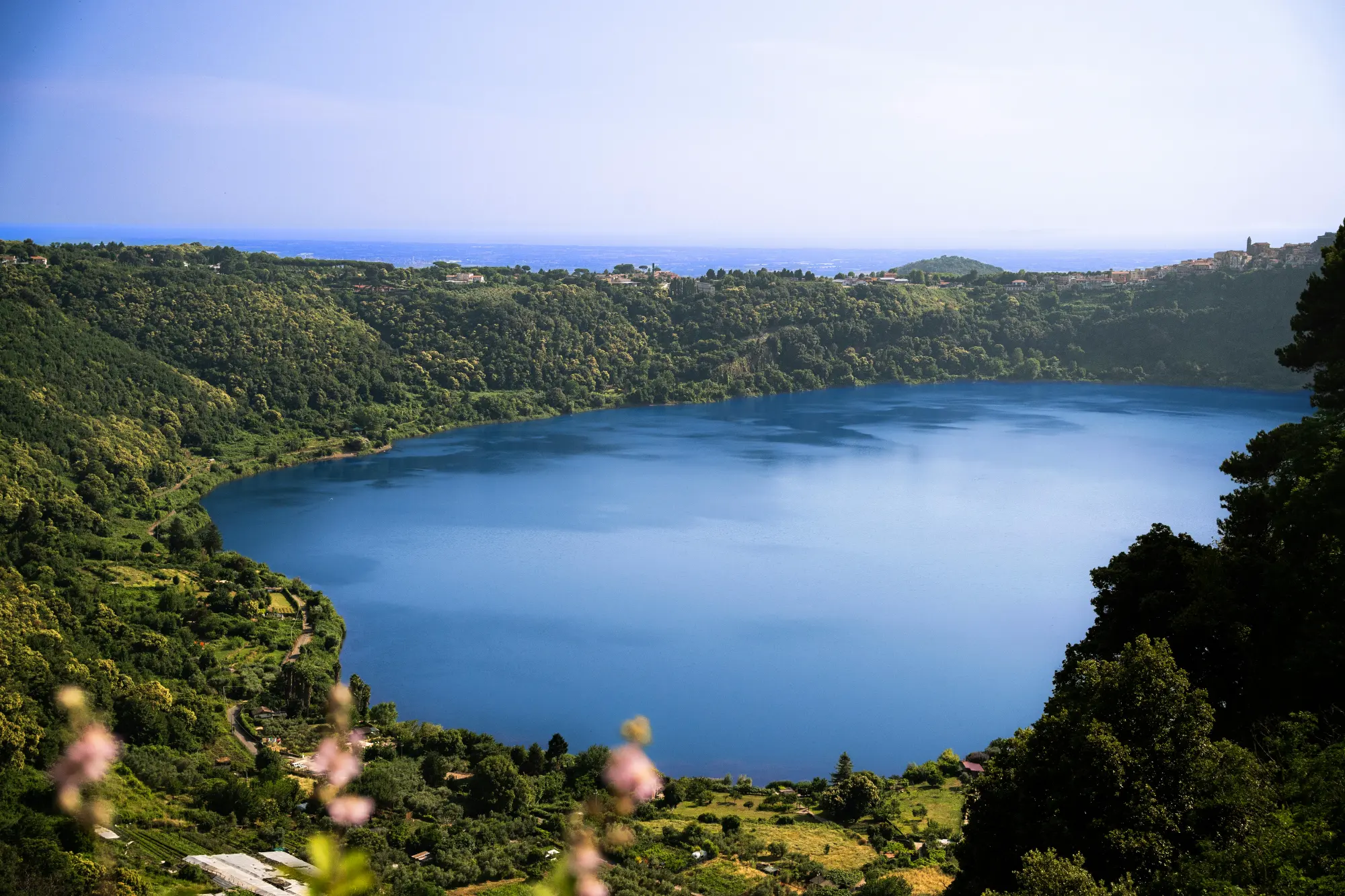
The breathtaking views of Lago di Nemi.
Ostia Antica - "Pompeii of Rome"
Ostia Antica, often called the “Pompeii of Rome”, is one of the best-preserved ancient Roman cities and the former port of Imperial Rome. Walking through its streets reveals remarkably intact mosaics, bathhouses, taverns, temples, and an impressive amphitheatre, offering a vivid glimpse into everyday Roman life nearly 2,000 years ago.
It is easy to reach from central Rome by train: take the Roma–Lido line (Metromare) from Piramide station and get off at Ostia Antica. From there, it’s a short walk across a pedestrian bridge to the archaeological site entrance.
Bracciano: Medieval History and Lakeside Views
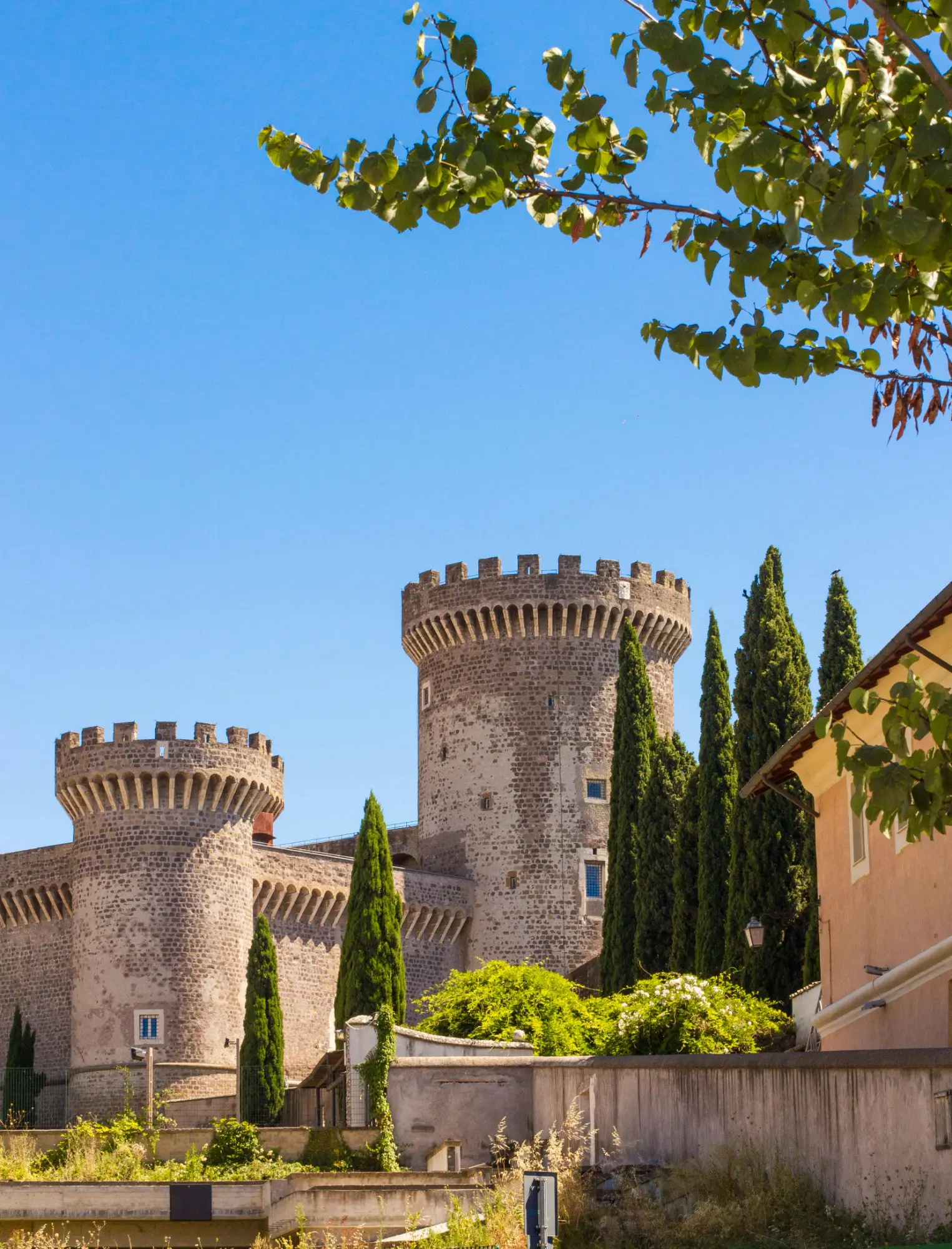
Dominating the skyline of this lakeside town is the Castello Orsini-Odescalchi, considered one of the best-preserved medieval castles in Italy. Visitors can tour the fortress to see its grand halls and armories before heading down to the water. Lake Bracciano is a volcanic lake with strict motorboat regulations, making it an exceptionally clean and peaceful spot for swimming, sailing, or relaxing on the shore.
How to get there: You can catch the FL3 regional train (Roma-Viterbo line) from stations like Roma Ostiense or Valle Aurelia directly to Bracciano. The scenic journey takes roughly one hour and drops you within walking distance of the castle.
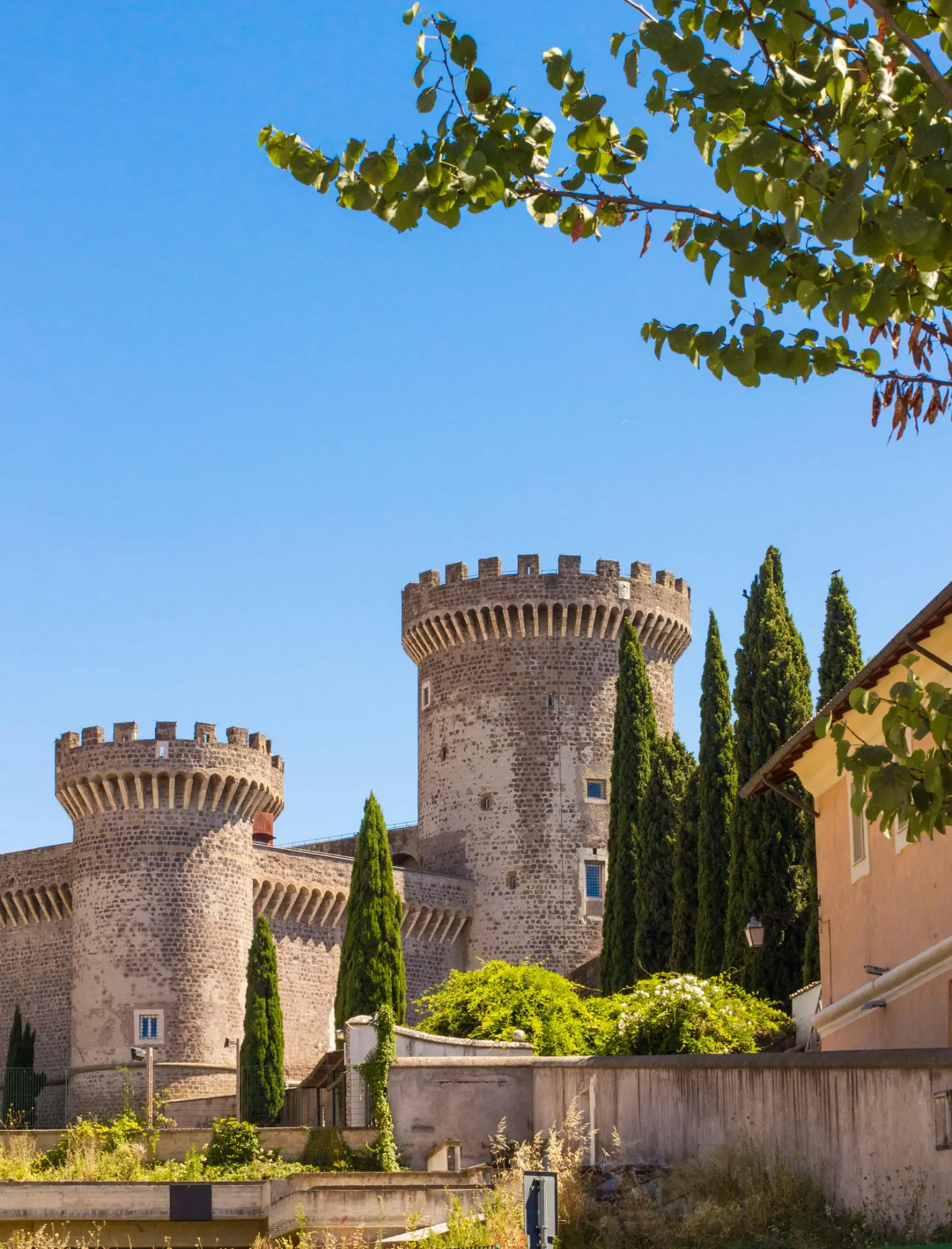
Castello Orsini-Odescalchi, the imposing medieval castle overlooking Bracciano, is one of Italy’s best-preserved Renaissance fortresses, known for its grand halls, defensive towers, and panoramic views over the volcanic lake.
Cerveteri: A Journey into Etruscan History
For a dive into pre-Roman history, Cerveteri offers a unique experience at the Necropolis of Banditaccia. This UNESCO World Heritage site resembles a city of the dead, featuring large tumuli (burial mounds) and tombs carved out of rock that mimic Etruscan homes. It provides a fascinating glimpse into the civilization that ruled central Italy before the rise of Rome.
How to get there: Take the regional train from Rome (Termini or Ostiense) towards Civitavecchia/Pisa and get off at the Ladispoli-Cerveteri station. From there, local buses connect the station to the necropolis entrance.
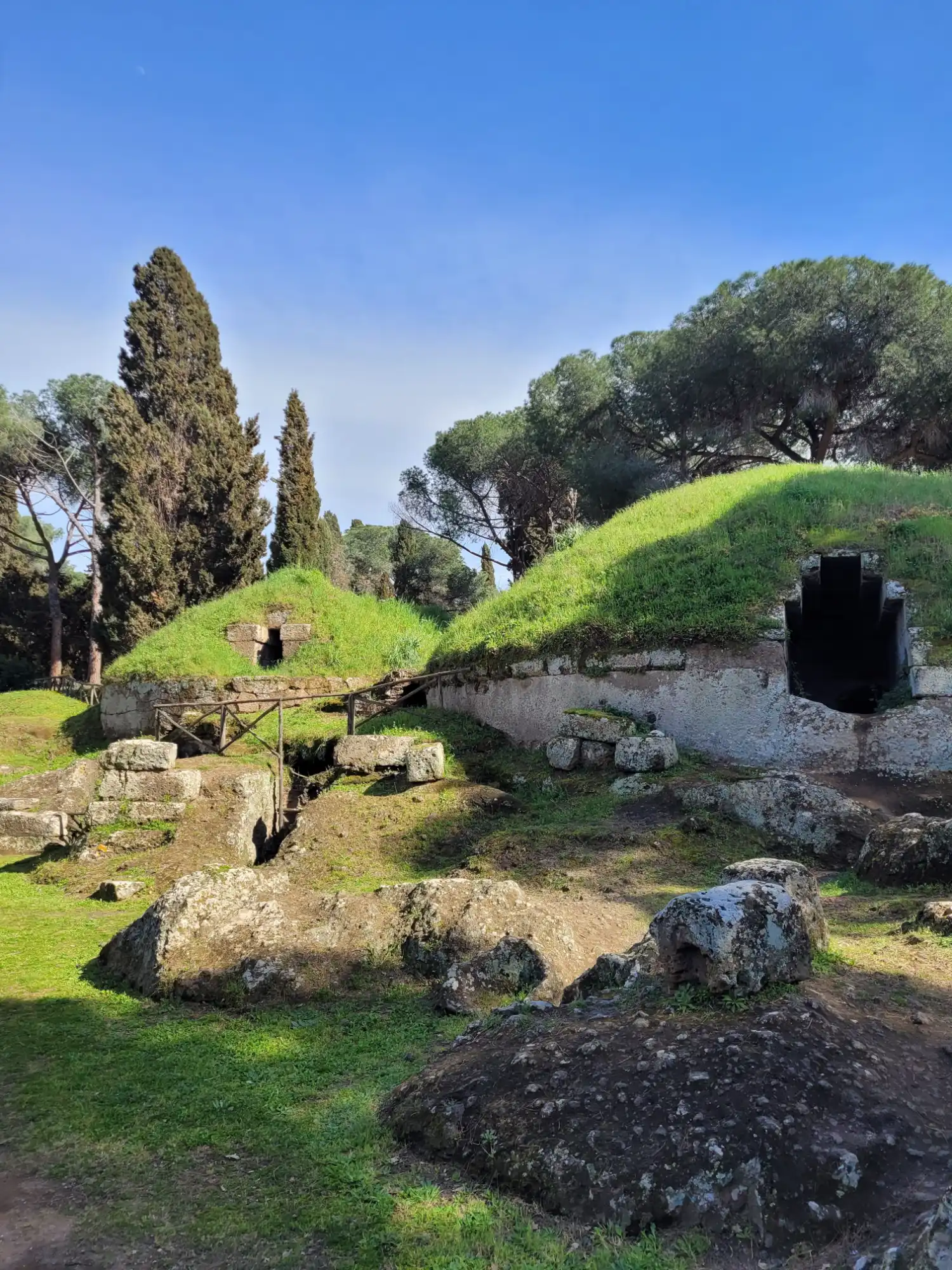
The ancient tumuli of Necropolis of Banditaccia in Cerveteri, monumental Etruscan burial mounds carved into stone, form one of the largest and most important necropolises of the ancient Mediterranean world.
Seaside Escapes: Best Beaches Near Rome
When the city heat becomes too much, Romans flock to the coast. Santa Marinella is a favourite for its sandy beach and clear water, while Fregene is known for its vibrant beach clubs and social scene. Ladispoli, with its volcanic dark sand and Santa Severa with a medieval beach fortress, are other accessible options on the same railway line. Sperlonga is a picturesque seaside town on the Tyrrhenian coast, famous for its whitewashed houses, winding streets, sandy beaches, and crystal-clear waters. Its charming old town and ancient Roman heritage make it a wonderful day trip or weekend escape from Rome. For those seeking history with their sunbathing, Anzio and Nettuno offer wide beaches and significant WWII history; Nettuno also boasts a cute, fortified old town worth exploring.
How to get there: Most of these destinations are easily reachable by train. Take the FL5 line towards Pisa for Santa Marinella and Ladispoli. For Anzio and Nettuno, take the FL8 line from Roma Termini, which takes about an hour. The easiest way to reach Sperlonga from Rome is by train from Roma Termini to Fondi-Sperlonga, followed by a short local bus or taxi ride to the town. The journey takes around 1.5–2 hours in total.
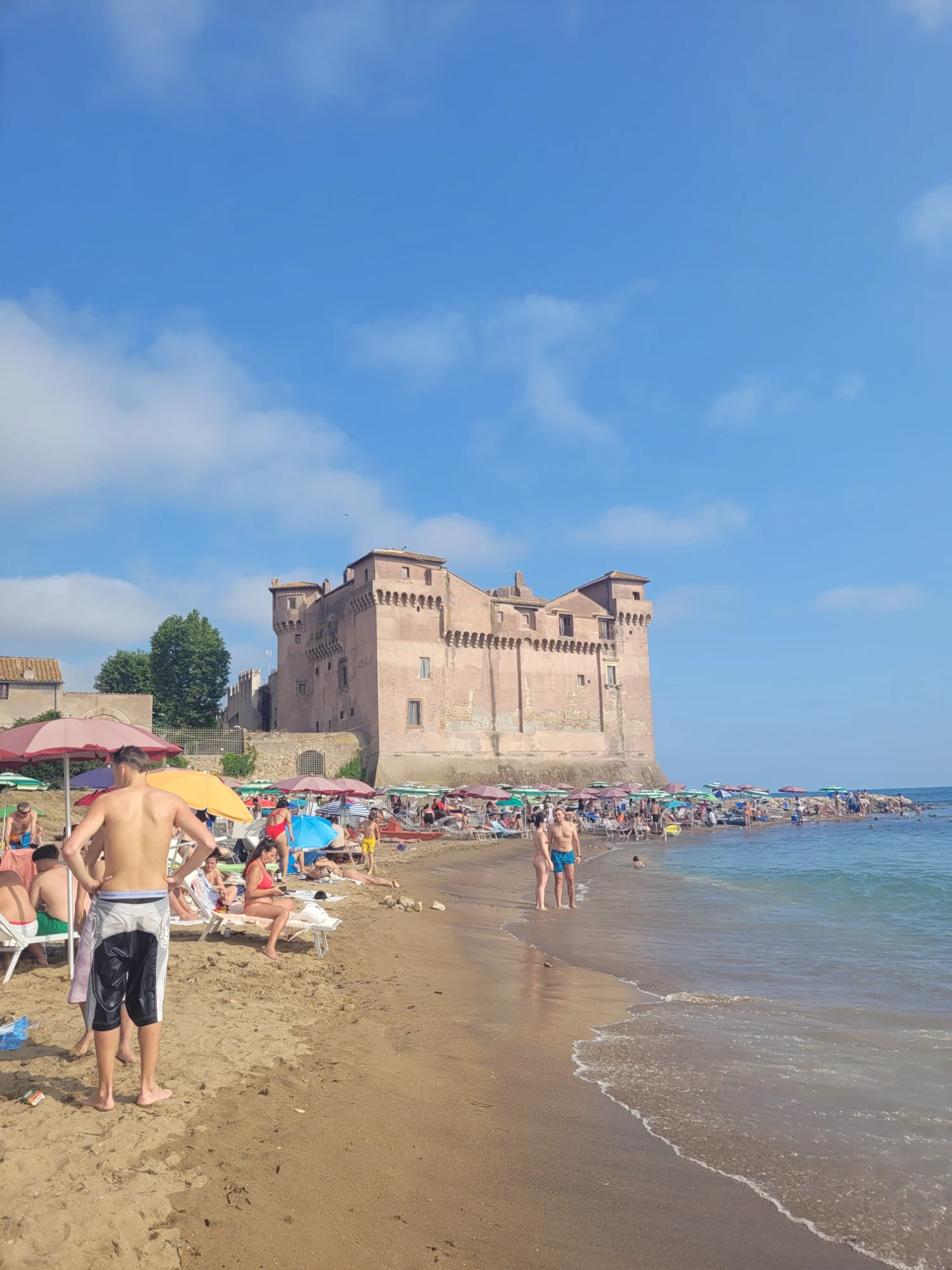
The beach of Santa Severa is overlooked by the historic seaside fortress, which also houses museums dedicated to ancient navigation.
Whether you’re wandering through Renaissance gardens in Tivoli, sipping wine in the villages of the Castelli Romani, exploring the medieval castle of Bracciano, or relaxing on the Tyrrhenian coast, these day trips reveal just how diverse and unforgettable the region around Rome can be. Each destination offers a different side of Italy—one filled with history, local traditions, breathtaking landscapes, and authentic experiences far from the crowds.
Of course, every great adventure begins in Rome itself. Before setting off beyond the city, take the time to truly discover the Eternal City through the eyes of passionate local Walkative guides. Our tours in Rome are designed to help you experience the city in a deeper, more memorable way. Join us for a walk through history, culture, and everyday Roman life—and make your time in Italy even more unforgettable!
Related stories

Culture • Practical Tips • History • 8 min. read
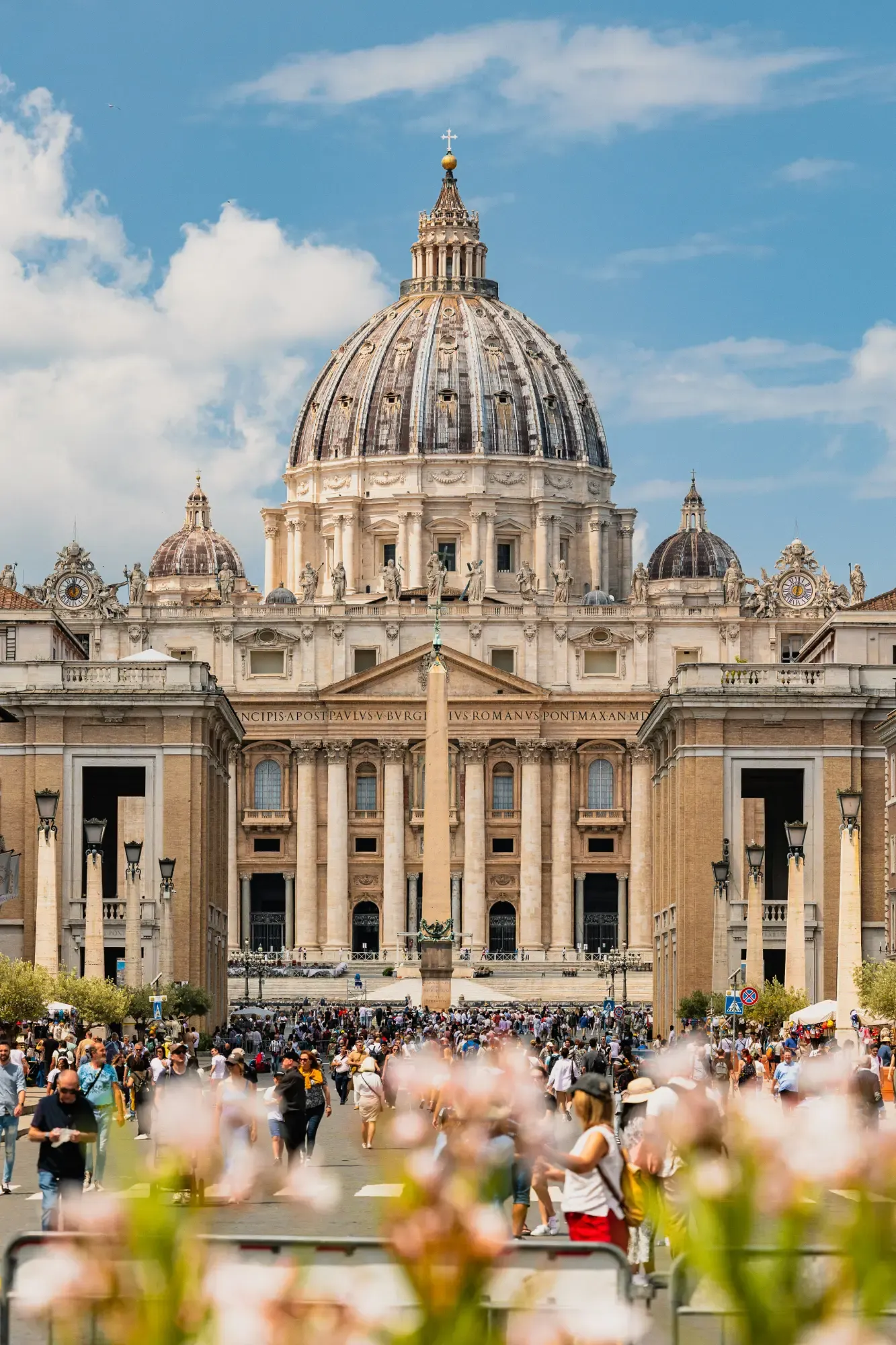
A Practical Guide to Visiting the Vatican: Tips from you Local Walkative Guide
Planning a trip to Vatican City and not sure where to begin? You’re in the right place!
Culture • Practical Tips • 5 min. read
Easter in Rome 2026 - A Guide to Holy Week
Discover the essential dates and traditions for Easter in Rome 2026. From the Colosseum's Via Crucis to Vatican Mass, prepare for Holy Week with our practical travel guide.

Culture • Practical Tips • History • 7 min. read
Exploring the Ancient Roots of Rome's Water System and Free Fountains
Explore Rome's enduring water legacy. From ancient aqueducts to modern free nasoni fountains, discover how this unbroken engineering tradition still quenches the city's thirst today.
Practical Tips • Food • 10 min. read
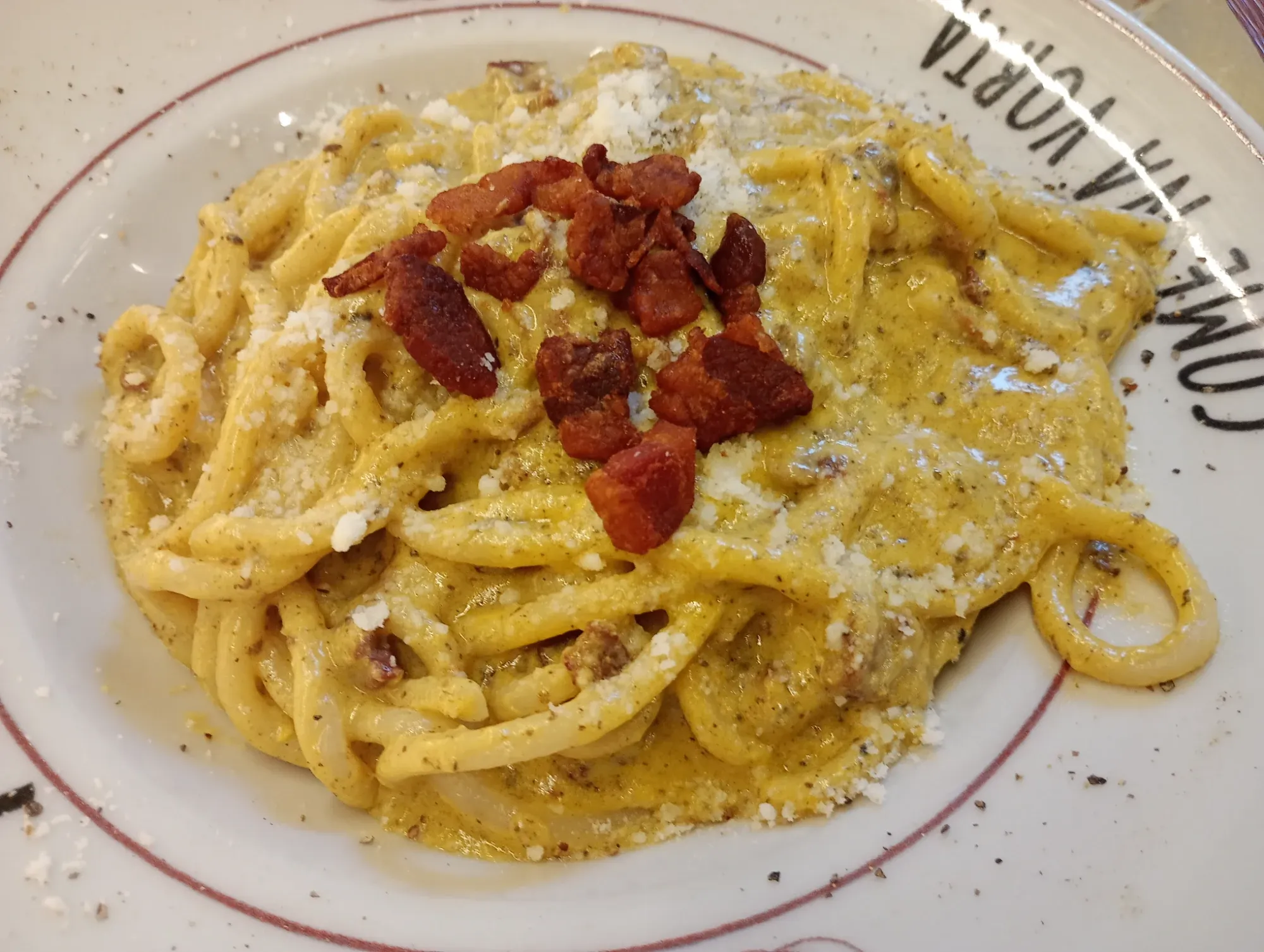
Food Lover’s Rome – A Culinary Guide to the Eternal City
Explore Rome's culinary delights. Discover authentic trattorias, navigate local markets, and taste traditional dishes with this essential food guide.
Culture • Practical Tips • History • 8 min. read
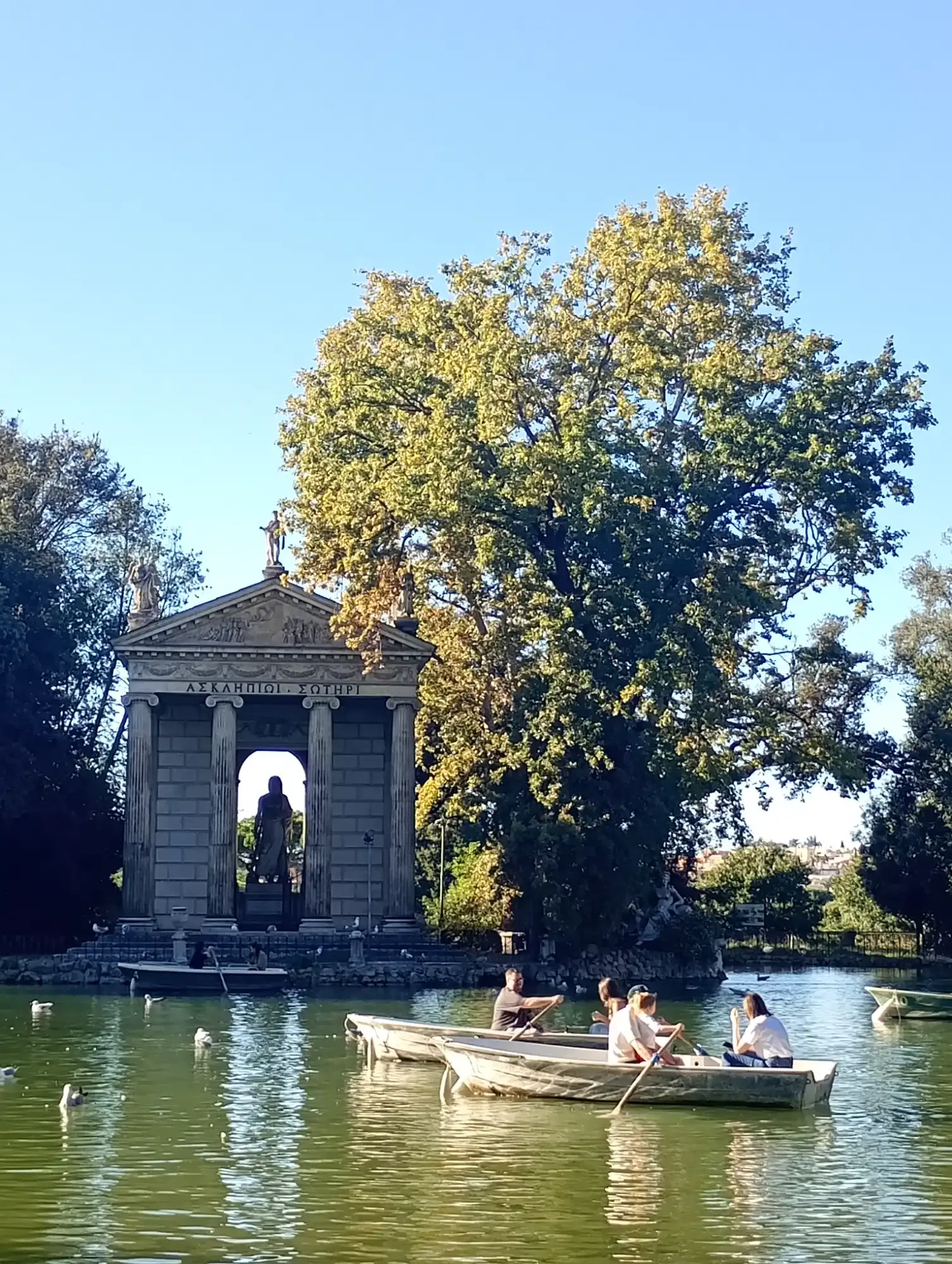
Rome’s Best-Kept Green Secrets — Discover the Parks, Gardens, and Natural Reserves of the Eternal City
Did you know that Rome is one of Europe’s greenest capitals? While the Eternal City is rightly celebrated for its ancient heart, picturesque cobblestone streets, grandiose baroque fountains and lively piazzas, beyond the famous monuments and bustling hotspots lies another side of the Eternal City — Rome that is greener, quieter, and unexpectedly spacious. Here, grand aristocratic villa gardens stretch beneath umbrella pines, panoramic hilltops open onto sweeping views, and ancient roads wind through wildflower-filled meadows dotted with crumbling tombs. From the manicured elegance of Villa Borghese to the fragrant rose and citrus gardens of the Aventine Hill; from the breathtaking terraces of Gianicolo and Monte Mario to the timeless, history-steeped paths of the Appia Antica Regional Park, Rome reveals a softer, more relaxed rhythm of local life, where history escapes the confines of museum walls — it rises from the grass beneath your feet, frames the horizon at sunset, and lines the paths where Romans jog, picnic and gather with family.