Navigating the River Elbe: Historic Steamships from Dresden to Saxon Switzerland
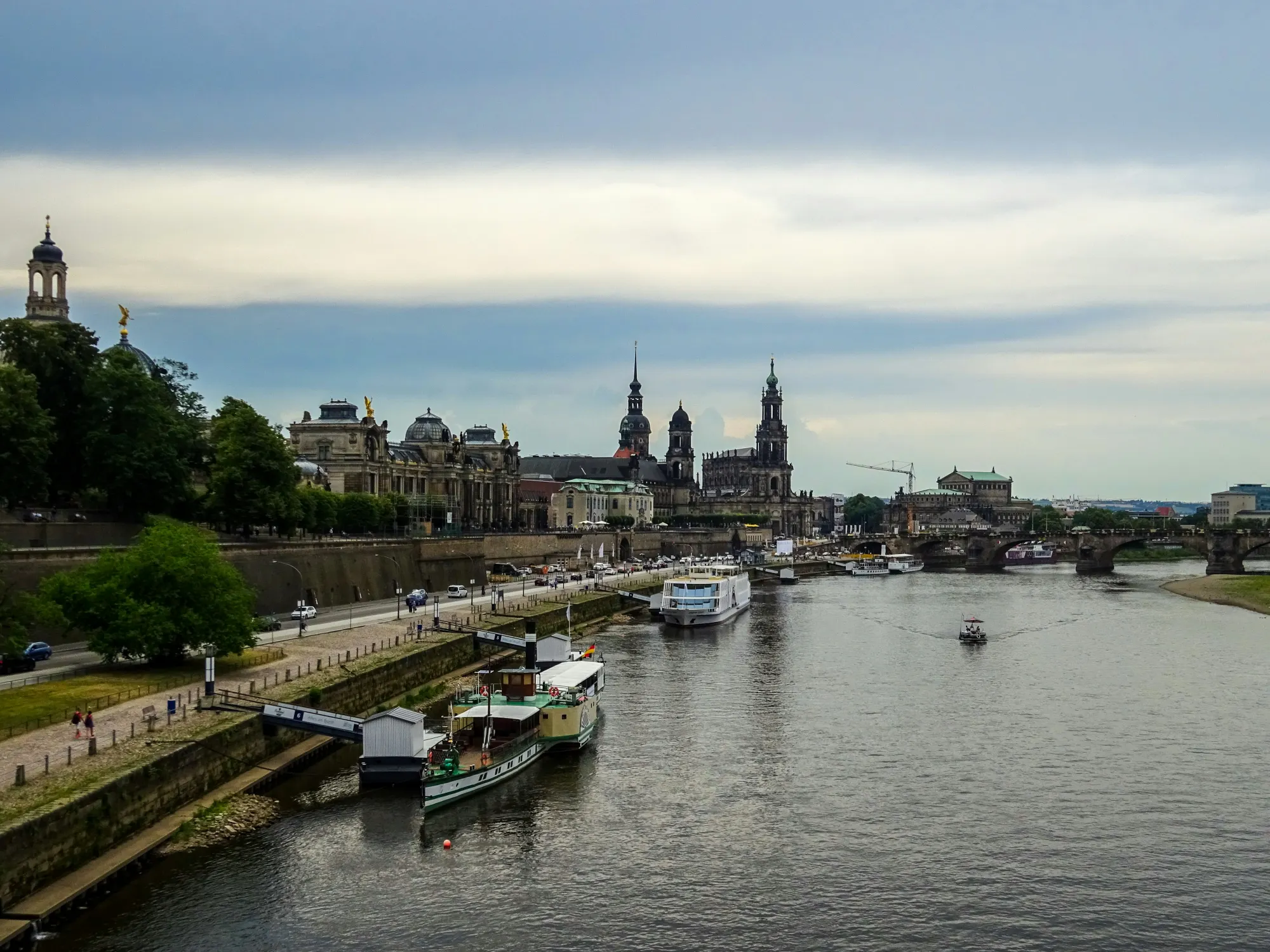
A fleet of historic paddle steamers operates along the Elbe valley, connecting the center of Dresden to neighboring towns and nature reserves. Passengers leaving the city pass under the steel expanse of the Blue Wonder bridge, moving eastward toward the 18th-century pavilions of Pillnitz Castle. Continuing further upstream, the flat riverbanks slowly give way to the striking sandstone pillars of Saxon Switzerland.
Culture • Practical Tips • History • Tours • 5 min. read
The River Elbe is more than just a waterway passing through Dresden; it is a historical corridor connecting the city’s ornate skyline to the surrounding castles, towns, and natural landscapes. Traveling by steamship offers a unique vantage point, providing a calm alternative to land transport. Historically, the river served as a vital trade route, but today it allows visitors to gently navigate between the Saxon capital and nearby heritage sites, offering a broad perspective on the region's geography and architecture before stepping ashore.
Exploring Dresden via the River Elbe
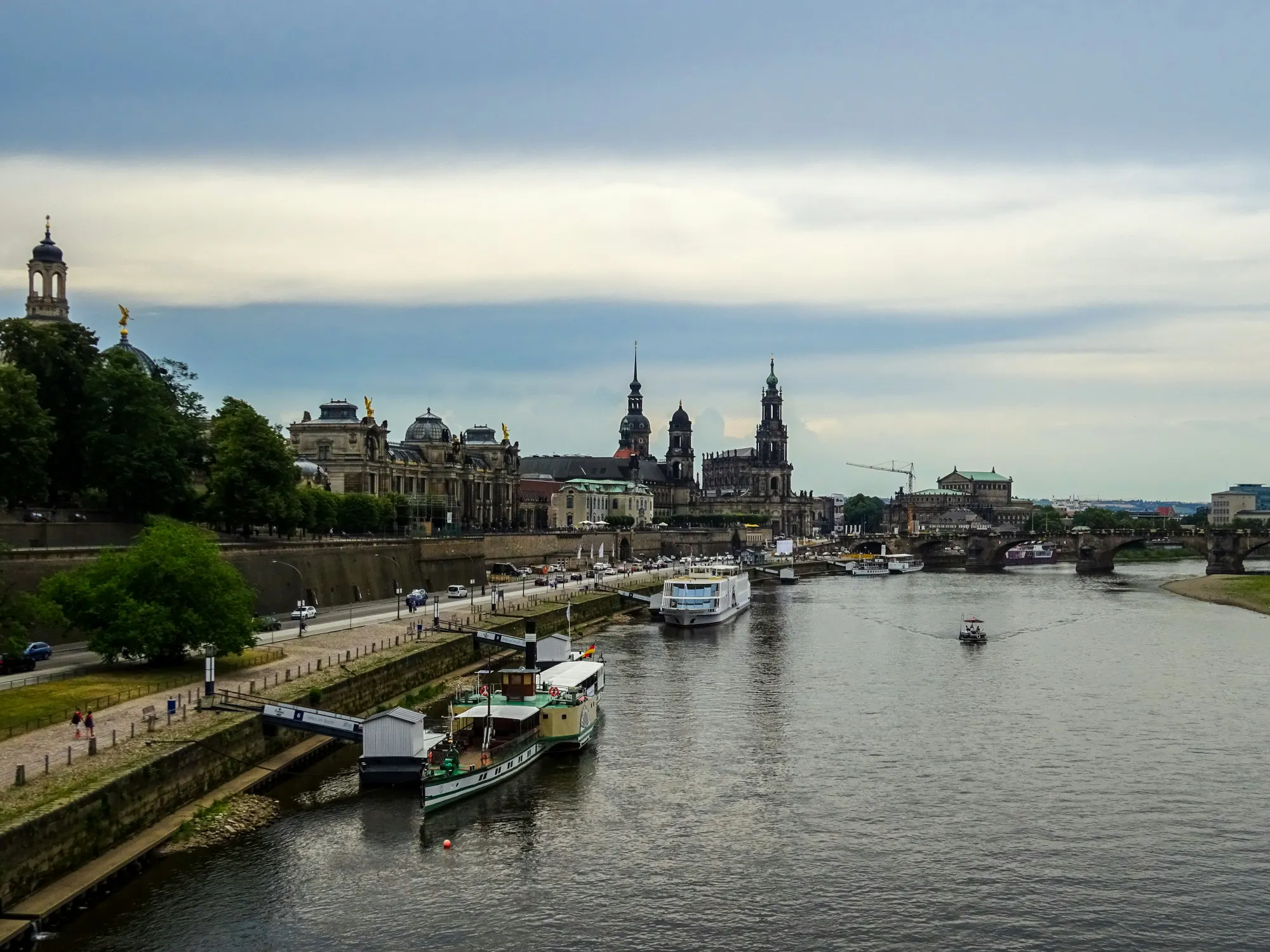
Taking a steamship along the River Elbe provides an excellent introduction to Dresden and its surrounding valley. The city’s historic paddle steamers, which make up one of the oldest fleets of their kind, offer a steady and scenic mode of transport. As you depart from the city center, the terraced riverbanks gradually give way to vineyards, grand estates, and expansive meadows. This method of travel allows you to orient yourself within the landscape and view the changing architectural styles from the open deck.
Blasewitz and Pillnitz Castle: Engineering Heritage and Chinoiserie
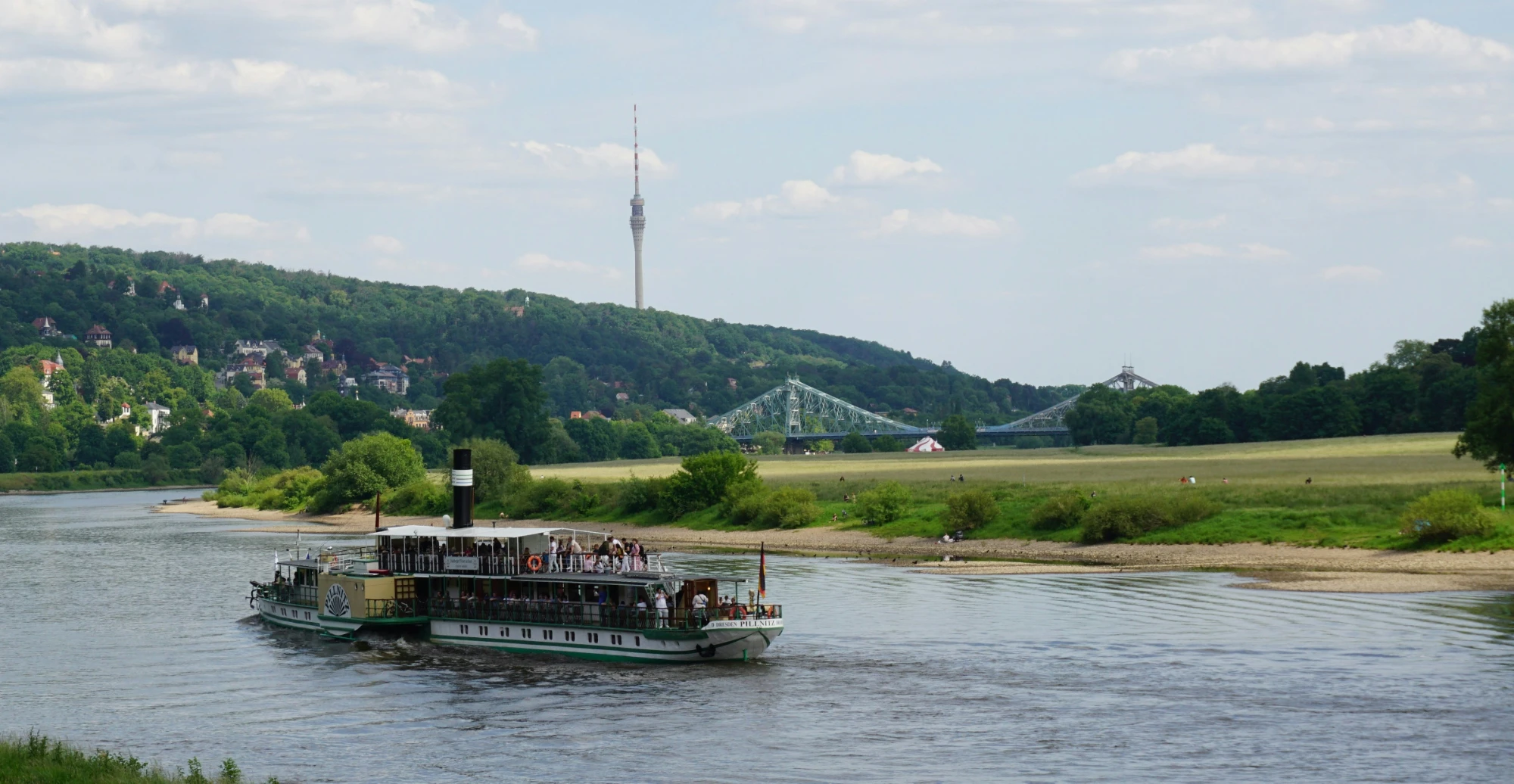
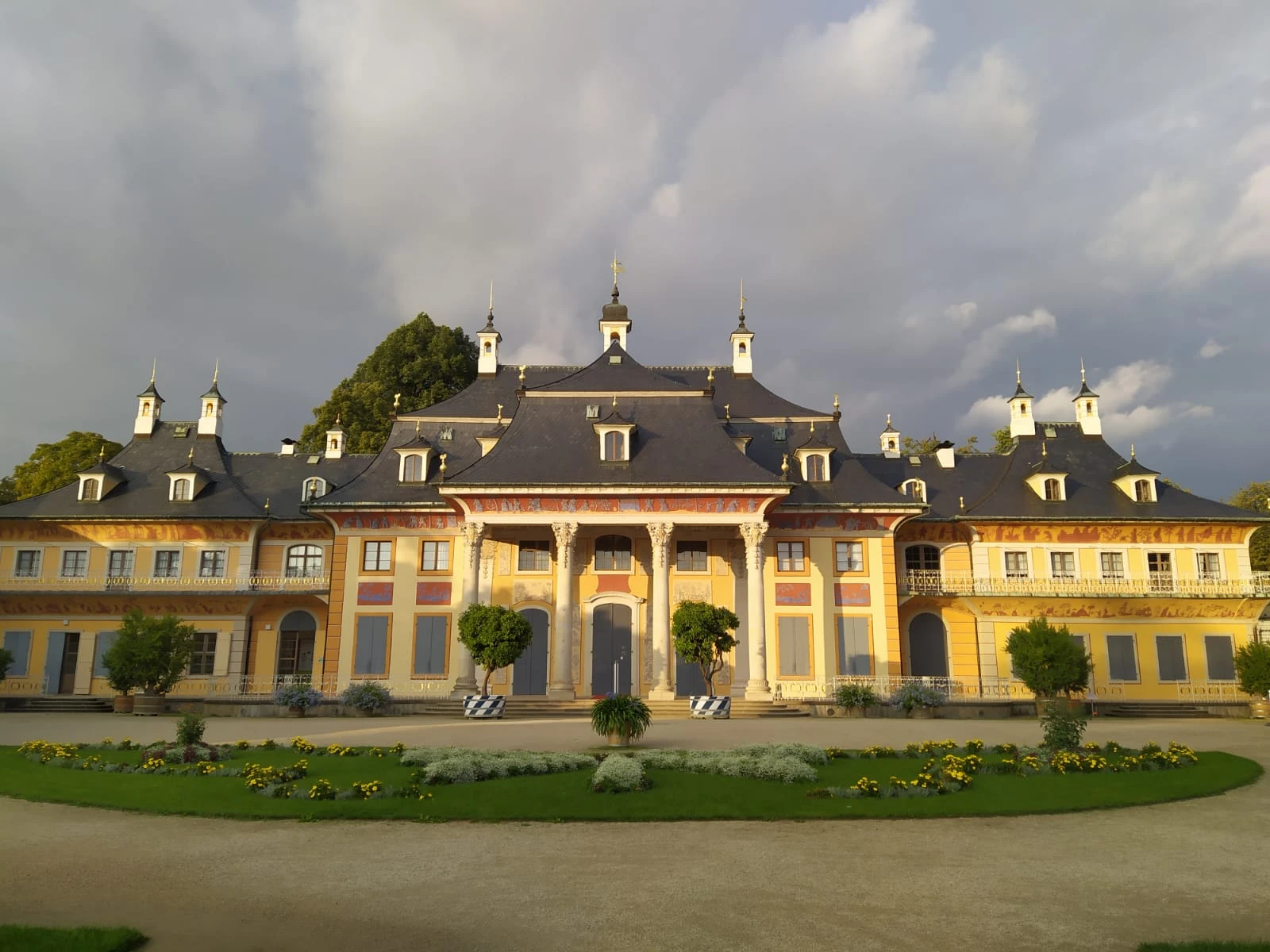
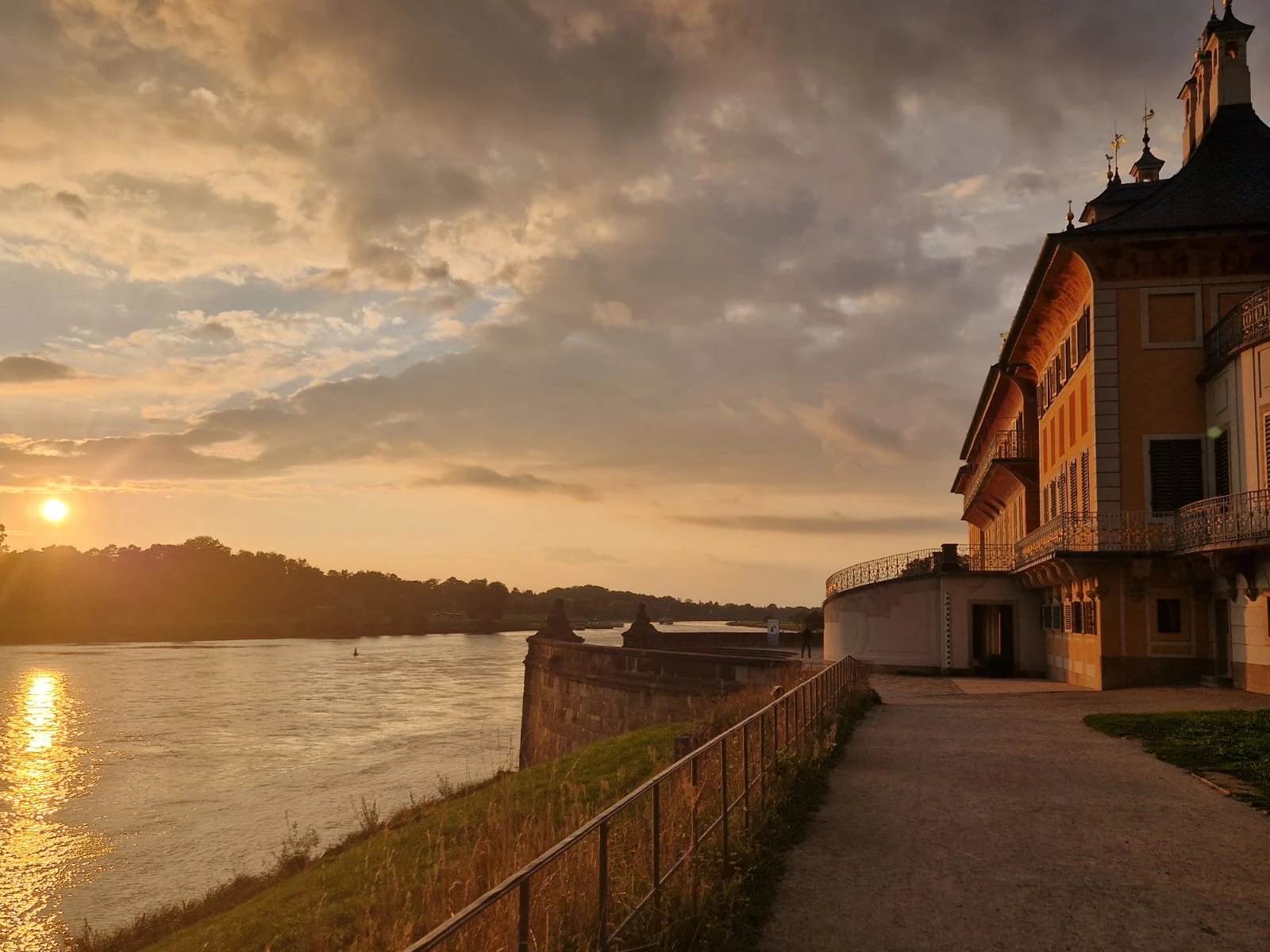
Heading east from Dresden, a 1.5-hour steamship journey takes you toward the district of Blasewitz, known for its well-preserved 19th-century villas. Blasewitz and its tavern hosted Friedrich Schiller between 1785 and 1787. Here he met Gustel von Blasewitz and made him known through his masterpiece Wallenstein. The steamship passes under the bridge "Das Blaue Wunder". This so called "Blue Wonder" is a wonder of the 19th-century engineering that spans the Elbe without any support pillars in the riverbed. Continuing along the river brings you to the expansive grounds of Pillnitz Castle. Originally a summer residence for the Saxon court, it was used mainly for entertaintment. Later, it was given to Countess Cossel, the mistress of August the Strong. The palace complex is notable for its chinoiserie architecture, an 18th-century European interpretation of Asian design elements. Visitors can walk through the surrounding manicured gardens or explore the palace museums, noting the distinct transition from traditional Baroque styles to oriental-inspired pavilions along the water.
Meissen: The Cradle of European Porcelain
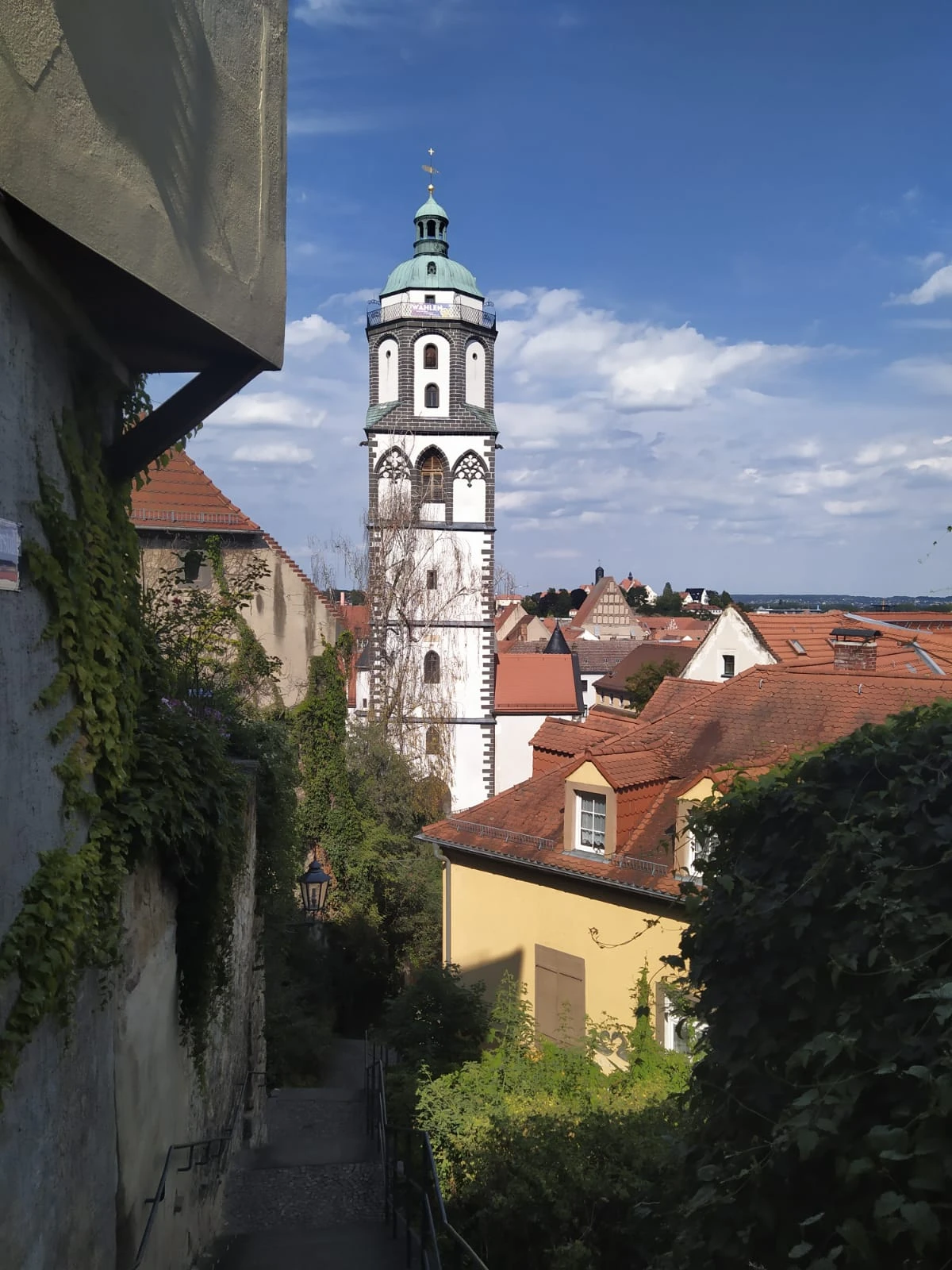
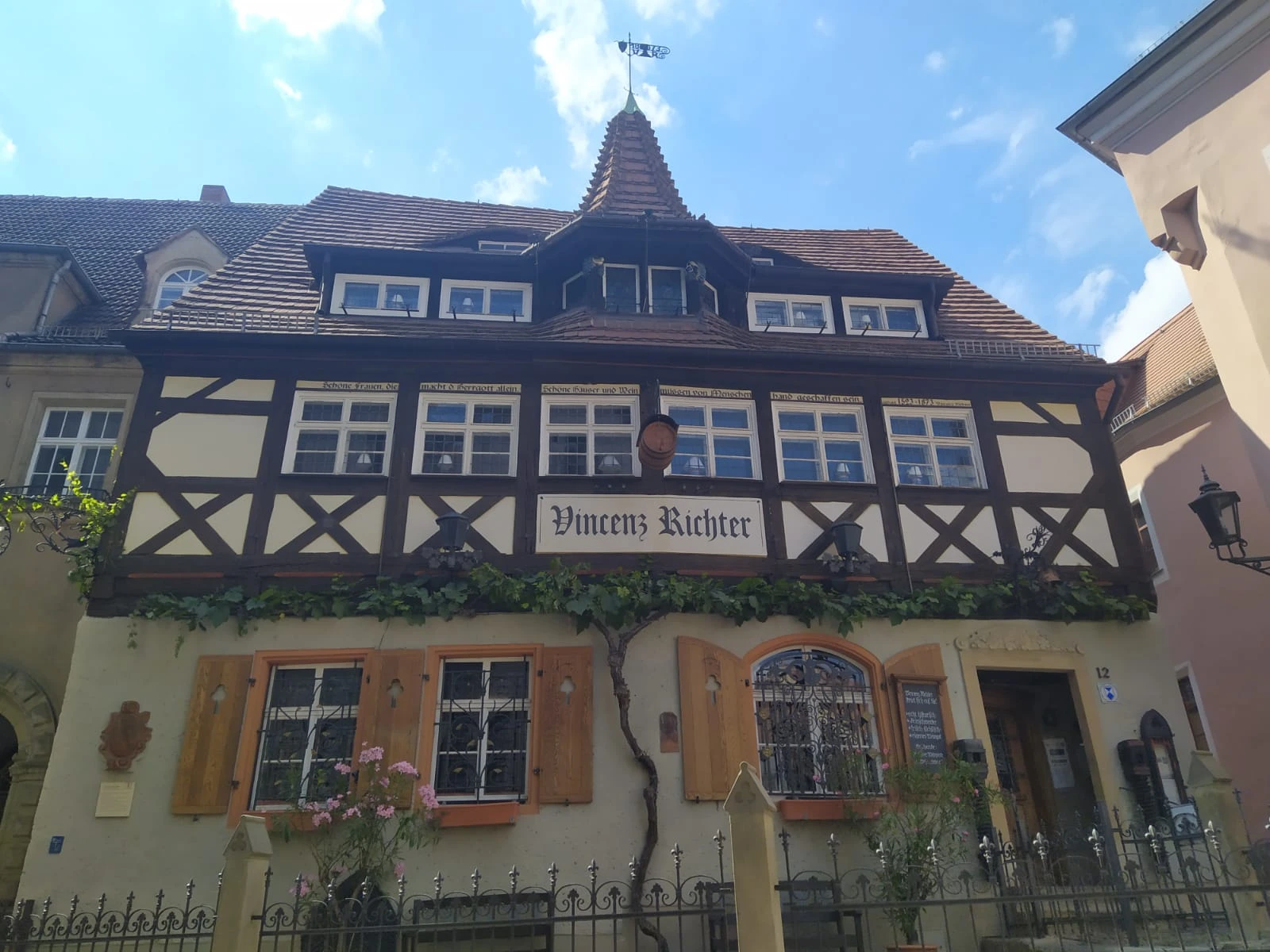
A boat journey westward leads to Meissen, a historic town that once held significant political power in the region. It was the historic seat of the Margraves of Meissen. Approaching from the water, the imposing Albrechtsburg Castle and the adjacent Gothic cathedral dominate the skyline. Meissen is famously known for its hard-paste porcelain in Europe. Visitors can tour the renowned Meissen porcelain manufactory to observe how the intricate pieces are still produced today. Beyond the manufactory, the town features winding cobblestone alleys and notable architecture, such as the historic half-timbered Vincenz Richter building, the home of a local winery and food.
Saxon Switzerland: Steamboat to the Bastei Bridge
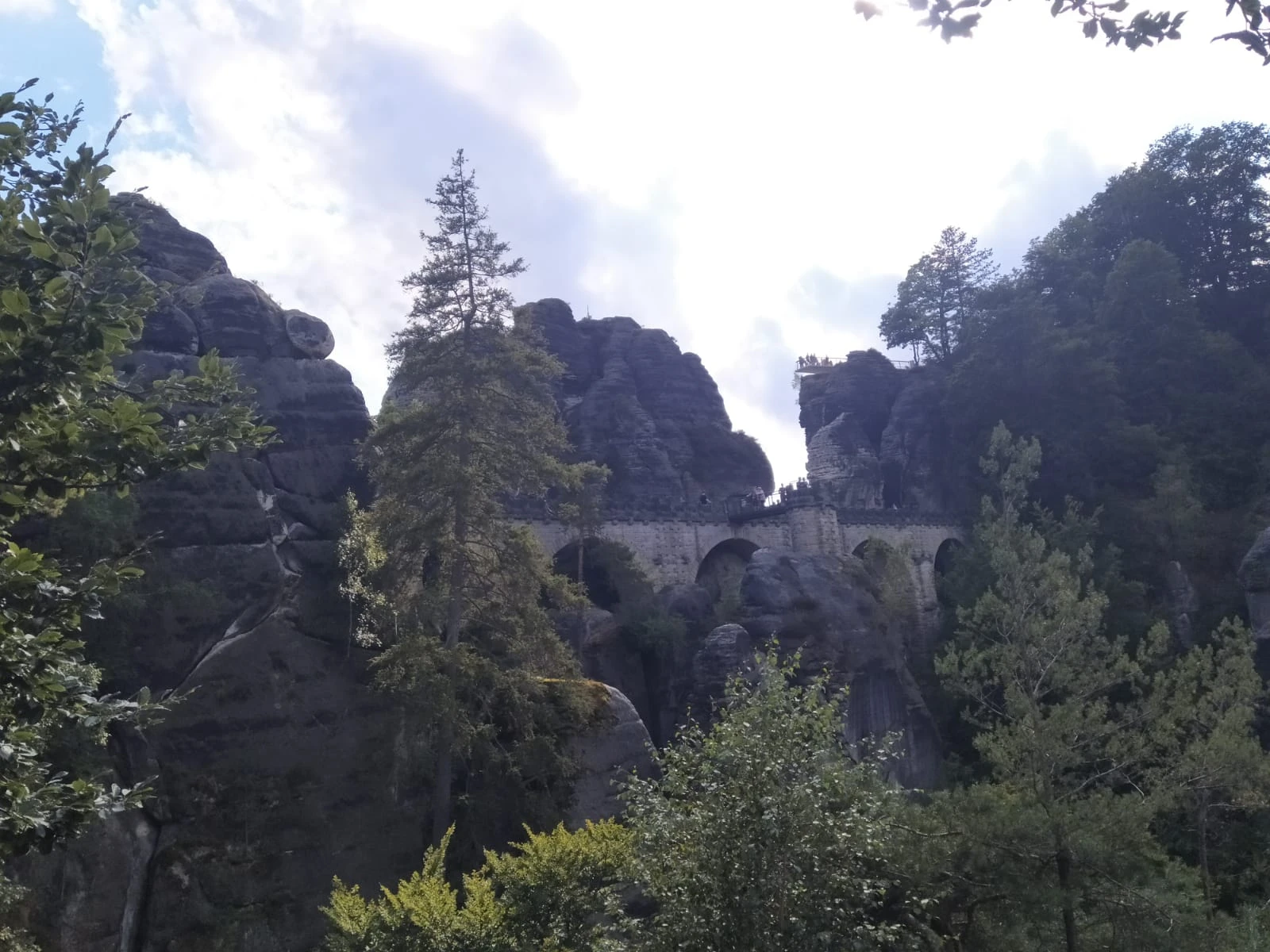
For travelers interested in the outdoors, a four-hour boat trip east reaches Kurort Rathen and Bad Schandau, the main gateways to Saxon Switzerland National Park. The river journey showcases the dramatic sandstone rock formations that define the area. Upon arrival, hikers can access a network of trails leading up to the Bastei Bridge, a striking stone structure built high among the pillars of rock. The sweeping views from these elevations famously inspired Romantic painters, particularly Caspar David Friedrich, whose artworks capture the rugged topography that remains largely unchanged today.
Combining Boat Trips with Dresden Walking Tours
Incorporating river travel into a broader itinerary is a practical way to manage your time. For instance, after a morning hike in Saxon Switzerland, purchasing a one-way boat ticket allows you to rest on the scenic journey back to the city. Once you return to the center of Dresden, transitioning back to urban exploration is straightforward. Joining a guided walking tour offers a detailed look into the city’s art, culture, and reconstruction efforts. These local insights complement the broad overviews seen from the river, helping you connect the historical dots between the surrounding towns and the restored Old Town of Dresden. Traveling the Elbe by boat provides a structured and serene way to view the historic and natural landmarks surrounding Dresden. Whether you are aiming for the porcelain workshops of Meissen or the rugged heights of the Bastei Bridge, the river connects these distinct destinations effortlessly. By pairing a scenic river journey with targeted exploration on foot, visitors can gain a practical and comprehensive understanding of Saxony's cultural and geographical landscape.
Related stories
Culture • History • 8 min. read
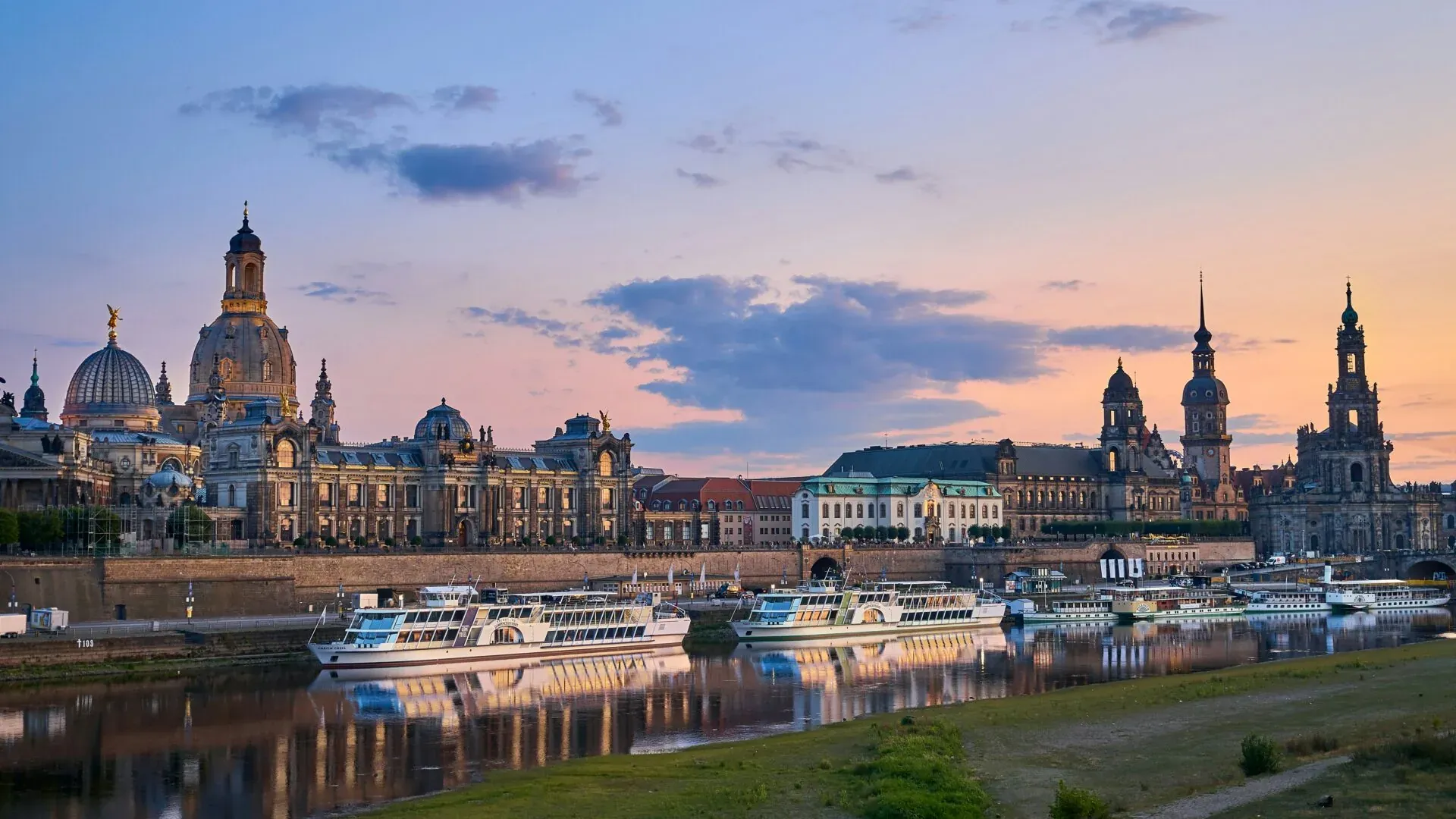
3 days in Dresden: Discovering the heart of Saxon splendor
Your 3-day Dresden itinerary. Explore the rebuilt Altstadt, see the Fürstenzug porcelain mural, and discover the vibrant Neustadt district.
Culture • History • 7 min. read
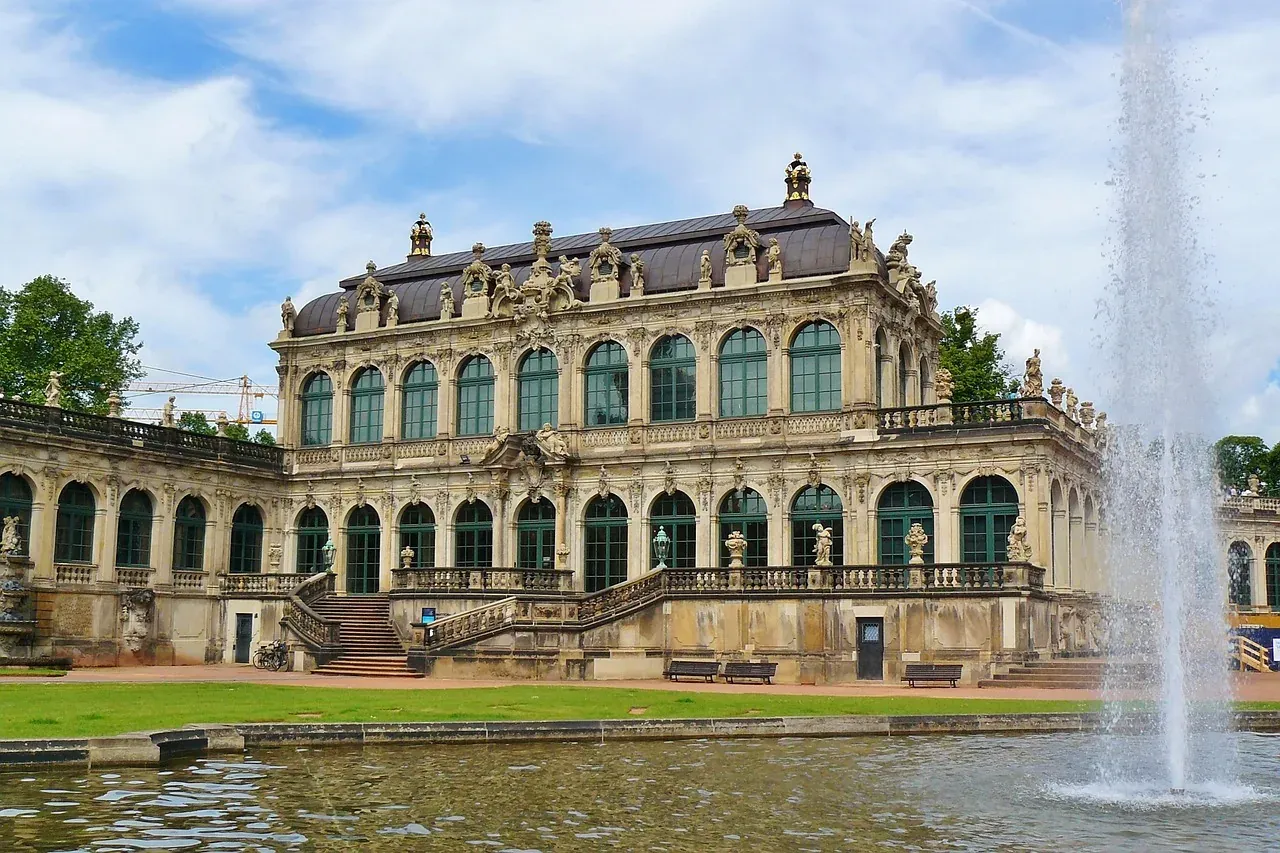
Dresden's museums: A cultural journey through the Saxon capital
Explore Dresden’s museums and discover the art, history, and culture of Saxony’s capital through its remarkable collections.

Culture • Practical Tips • 5 min. read
Summertime in Dresden: A Family-Friendly Destination
Summer heat is easily managed when a destination offers plenty of shaded green spaces and interactive indoor attractions. In Dresden, families can switch from riding a miniature railway through the vast Großer Garten to solving creative rallies inside the Erich Kästner Museum. This mix of hands-on science, historic puppet shows, and outdoor recreation provides an easy rhythm for travelling with children.
Newsletter • 4 min. read
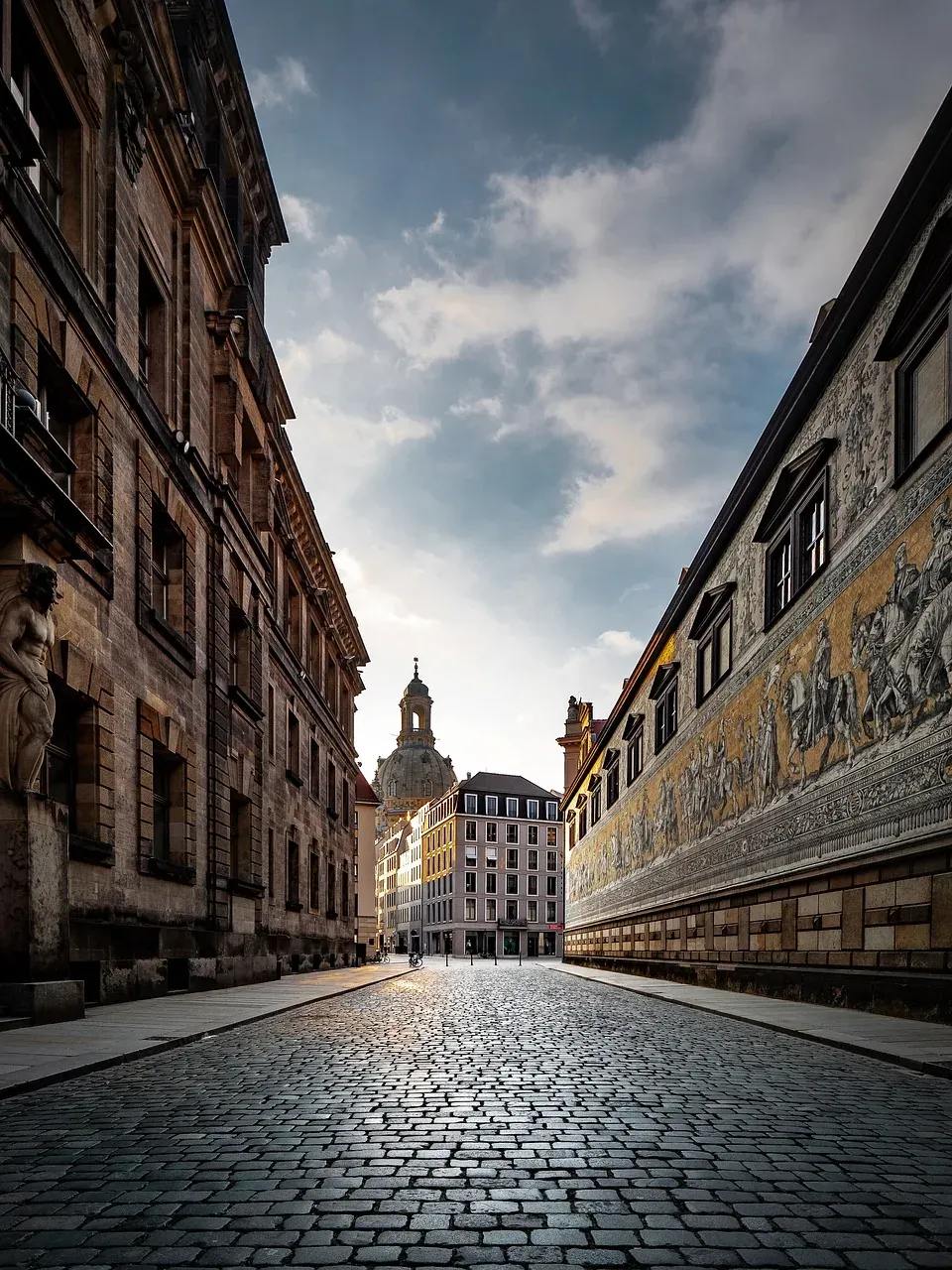
Things to Do in Dresden in September 2026
As the summer heat fades into the crisp, golden days of early autumn, the Saxon capital is buzzing with cultural highlights, art exhibitions, and seasonal celebrations. To truly appreciate the rich history of the city before diving into its current festivities, we highly recommend booking the Welcome to Dresden! Old Town Guided Walking Tour .

Culture • Practical Tips • 3 min. read
Exploring Dresden: Your Guide to Public Transportation
Navigate Dresden with our guide to trams, buses, and S-Bahn. Find info on airport connections, daily tickets, and routes to Saxon Switzerland.