How to Cycle in Madrid Using Parks and River Paths
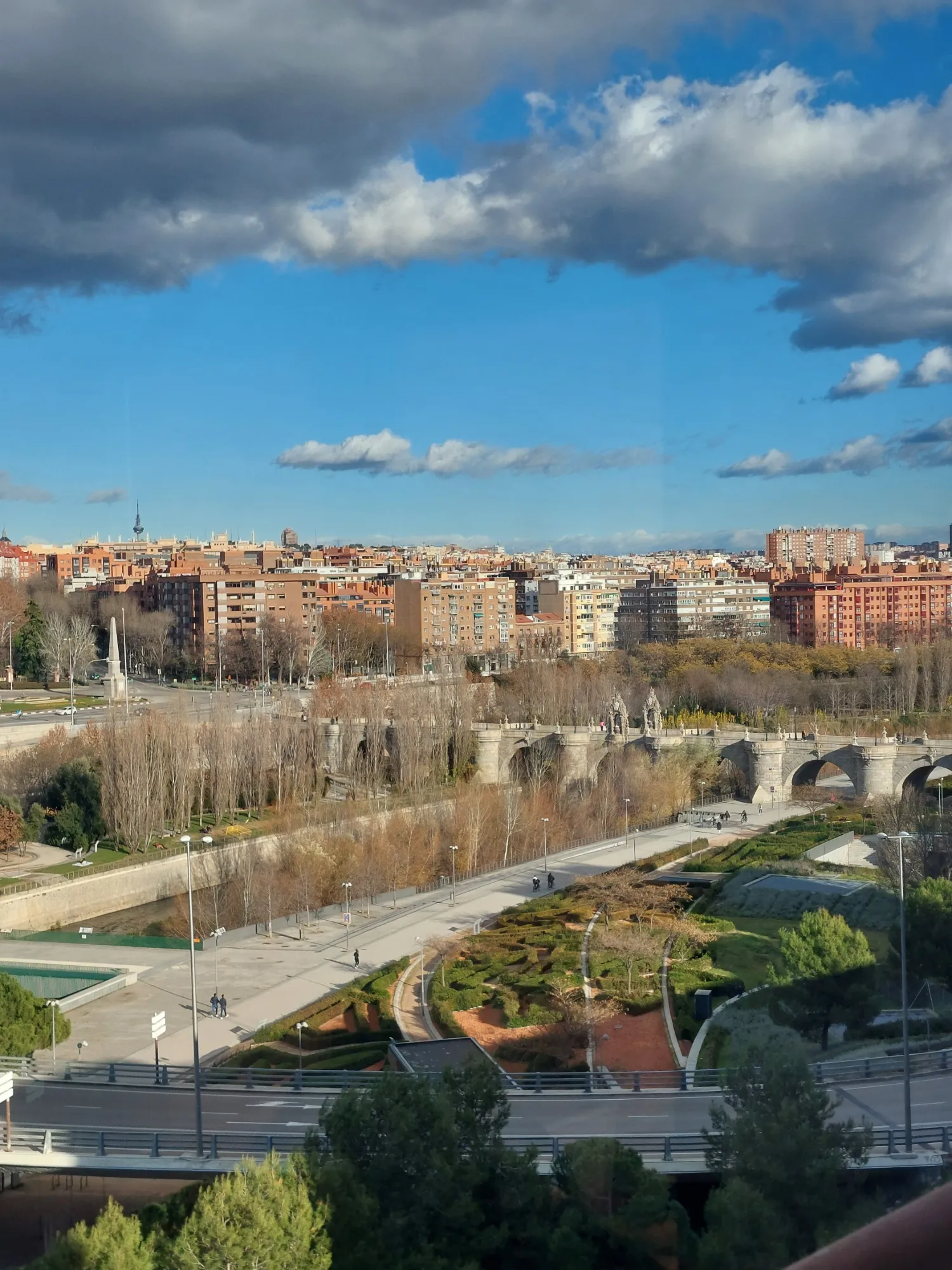
Traffic in the Spanish capital can easily overwhelm a casual bike ride if you stick strictly to the central streets. The most effective way to navigate Madrid on two wheels relies on the expanding network of car-free zones along the Manzanares River and vast green spaces like Casa de Campo. By using these corridors as a strategic backbone, you can safely connect key landmarks without battling heavy congestion.
Culture • Practical Tips • 5 min. read
Madrid is a city of distinct contrasts, where dense historic streets suddenly give way to expansive green spaces and modern riverfront paths. While the Spanish capital might not be as famous for cycling as Amsterdam or Copenhagen, it offers an impressive and growing network of cycle lanes and car-free zones. For those looking to explore on two wheels, planning the right route makes all the difference between a stressful urban ride and an enjoyable journey through the city's best landscapes.
Cycling in Madrid: The Park and River Strategy
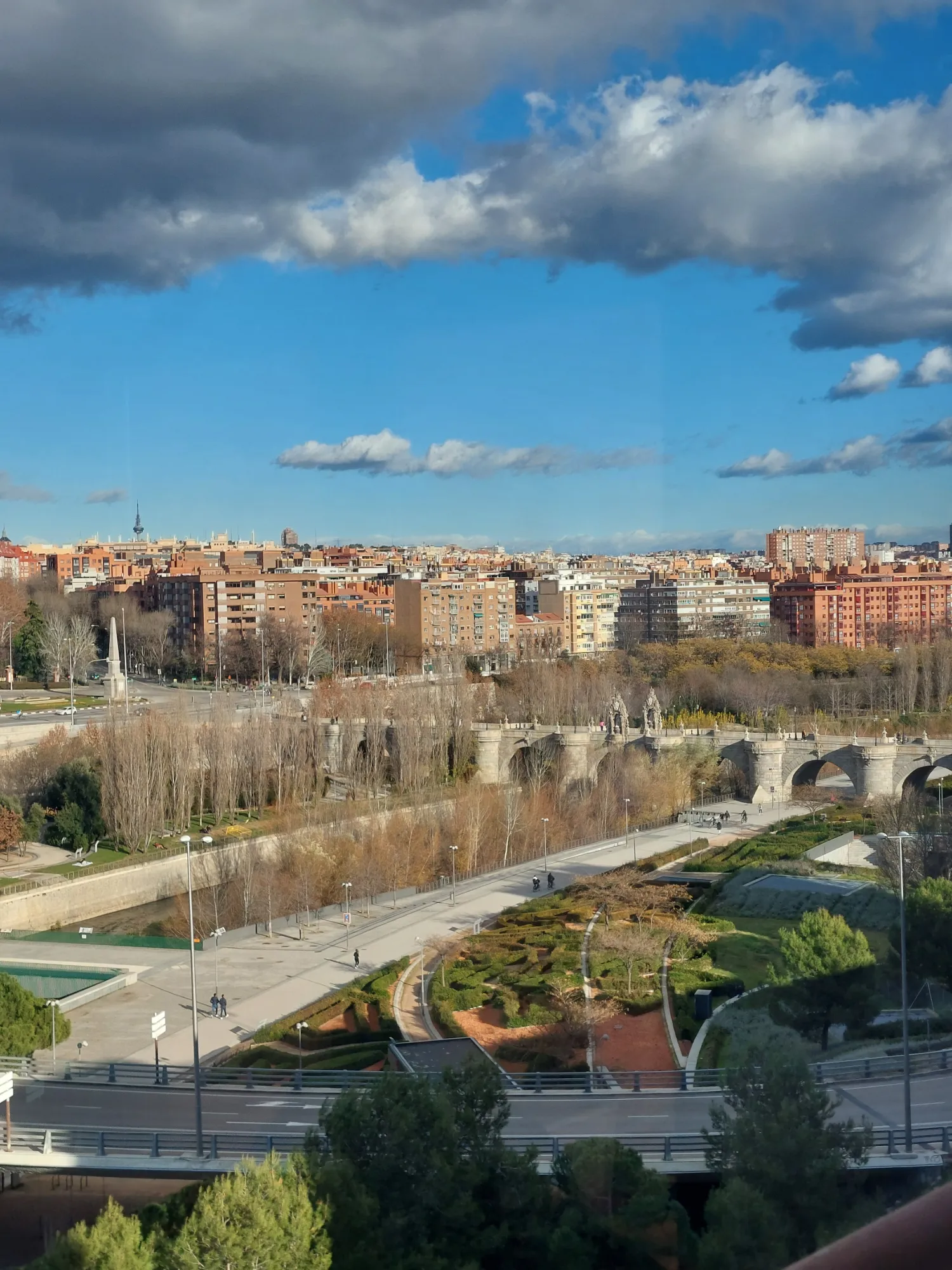
Navigating Madrid by bike requires a strategic approach. The historic center can be congested, hilly, and heavy with traffic, making it less than ideal for a continuous ride. Instead, the most efficient and practical way to cycle the city is to use its major parks and the river as your primary backbone. By sticking to the Madrid Río paths, the vast Casa de Campo, and El Retiro Park, you can avoid the busiest roads while still reaching many of the city's key points of interest. This park-and-river strategy allows for a much safer and calmer riding experience, letting you connect seamlessly to older neighborhoods when you decide to stop and explore on foot.
Classic Sightseeing: Historic Center to El Retiro Park
For those wanting to see Madrid’s most recognizable landmarks, a morning route from the center to El Retiro Park is a classic choice. Taking roughly two to three hours, this ride allows you to take in the bustling atmosphere of Puerta del Sol before heading toward the grand architecture of the Royal Palace. From there, you can navigate eastward toward the iconic Puerta de Alcalá. Because the central streets are shared with cars and pedestrians, joining a guided walking or bike tour can be a helpful way to navigate the area while learning the local history. The route concludes in the peaceful, shaded avenues of El Retiro Park, where wide paths offer a welcome break from the city's pace.
The Best Overall Route: Madrid Río to Casa de Campo
If you have time for only one major ride, combining Madrid Río with Casa de Campo offers a highly rewarding experience. This moderate route typically takes between two and a half to four hours, depending on your pace. It begins on the smooth, paved trails alongside the Manzanares River, which provide a flat and easy warm-up. From the river, the path transitions directly into Casa de Campo, a massive public park that feels more like deep countryside. Here, the landscape changes to quiet lakes, pine forests, and dirt trails. It is an excellent way to observe how quickly Madrid shifts from a dense urban environment to open natural spaces.
Sunset Skyline: Madrid Río to the Temple of Debod
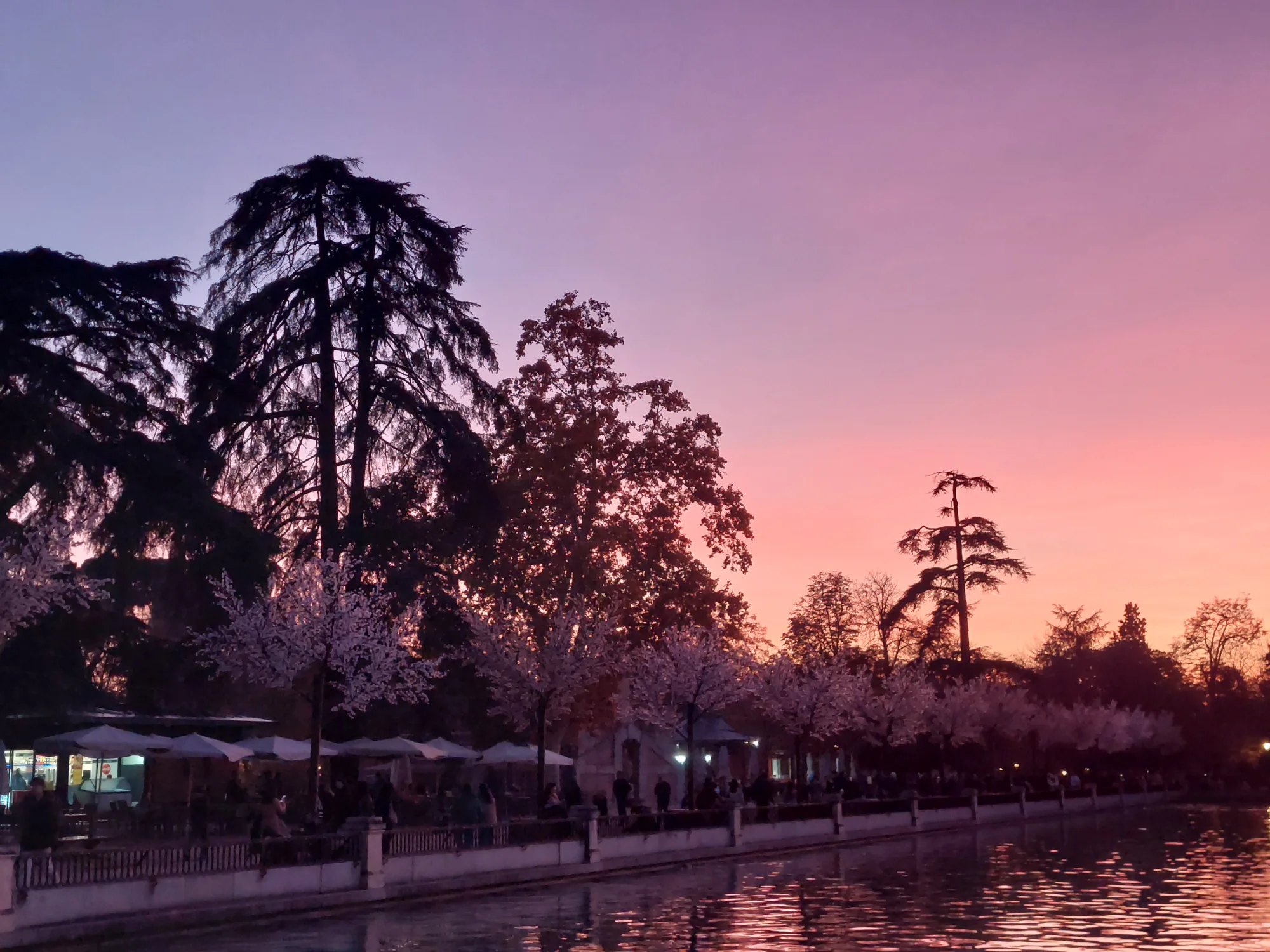
Evening riders will find this two-hour route particularly memorable as the light softens over the city. Starting again from the Madrid Río paths, cyclists can head north to trace the edge of Campo del Moro, the expansive gardens situated just below the Royal Palace. The slight elevation changes require a bit of effort, but the paths are generally well-maintained. The ride concludes at the Temple of Debod, an authentic ancient Egyptian temple rebuilt in Madrid. Positioned on a hill overlooking the western side of the city, this location is widely considered one of the best spots to watch the sunset over the Guadarrama Mountains.
For Active Cyclists: The Full Casa de Campo Loop
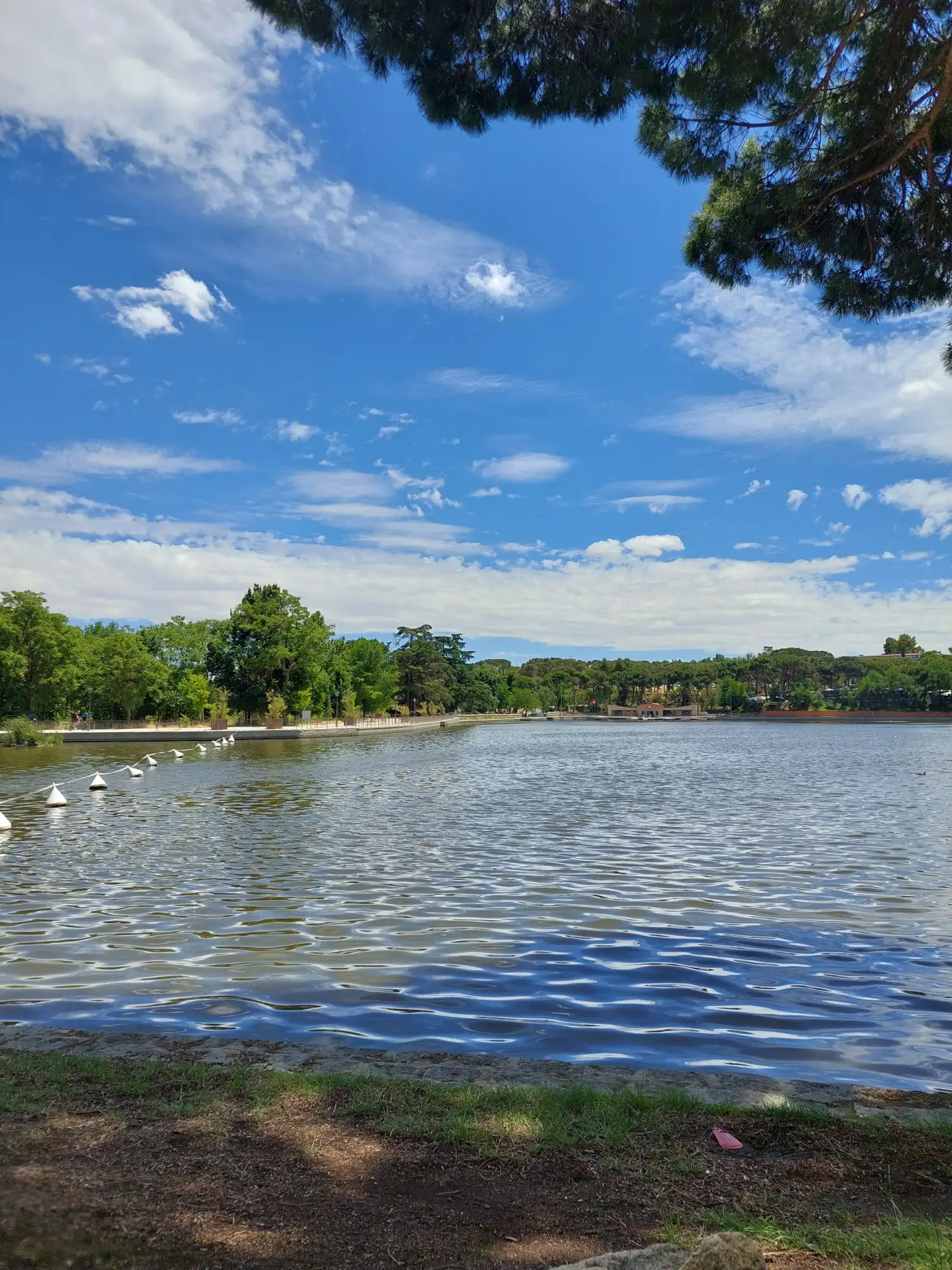
Riders looking for a proper workout rather than a leisurely sightseeing trip should head straight for the full Casa de Campo loop. Taking about two to three and a half hours, this route often incorporates sections of the Anillo Verde Ciclista (the Green Cycling Ring) that circles the city. The terrain here is varied, featuring rolling hills, gravel paths, and noticeable elevation gains that require a decent level of fitness. While navigating the outer edges of the park, cyclists encounter diverse natural landmarks and uninterrupted stretches of riding, far removed from traffic lights and pedestrians.
Relaxed Riding: Exploring Madrid Río South
Not every ride needs to be a challenge. Heading south along the Madrid Río offers a completely flat, car-free environment that is perfect for families, beginners, or anyone cycling during the hotter parts of the day. Following the Manzanares River, this easy route takes you past the Matadero, a former slaughterhouse turned vibrant cultural center, and into the Legazpi district. The paths here are wide, well-paved, and lined with cooling water features, playgrounds, and shaded bridges. It is a highly accessible way to enjoy the outdoors without needing specialized gear or advanced cycling skills.
Exploring Madrid by bike provides a unique perspective on the city's layout and natural spaces. By planning your rides around the river corridors and expansive parks, you can enjoy a safe, active, and highly practical visit. Whether you are navigating near the historic center or seeking the quiet trails of Casa de Campo, taking to two wheels is an excellent way to experience the Spanish capital at your own pace.
Related stories
Practical Tips • History • 5 min. read
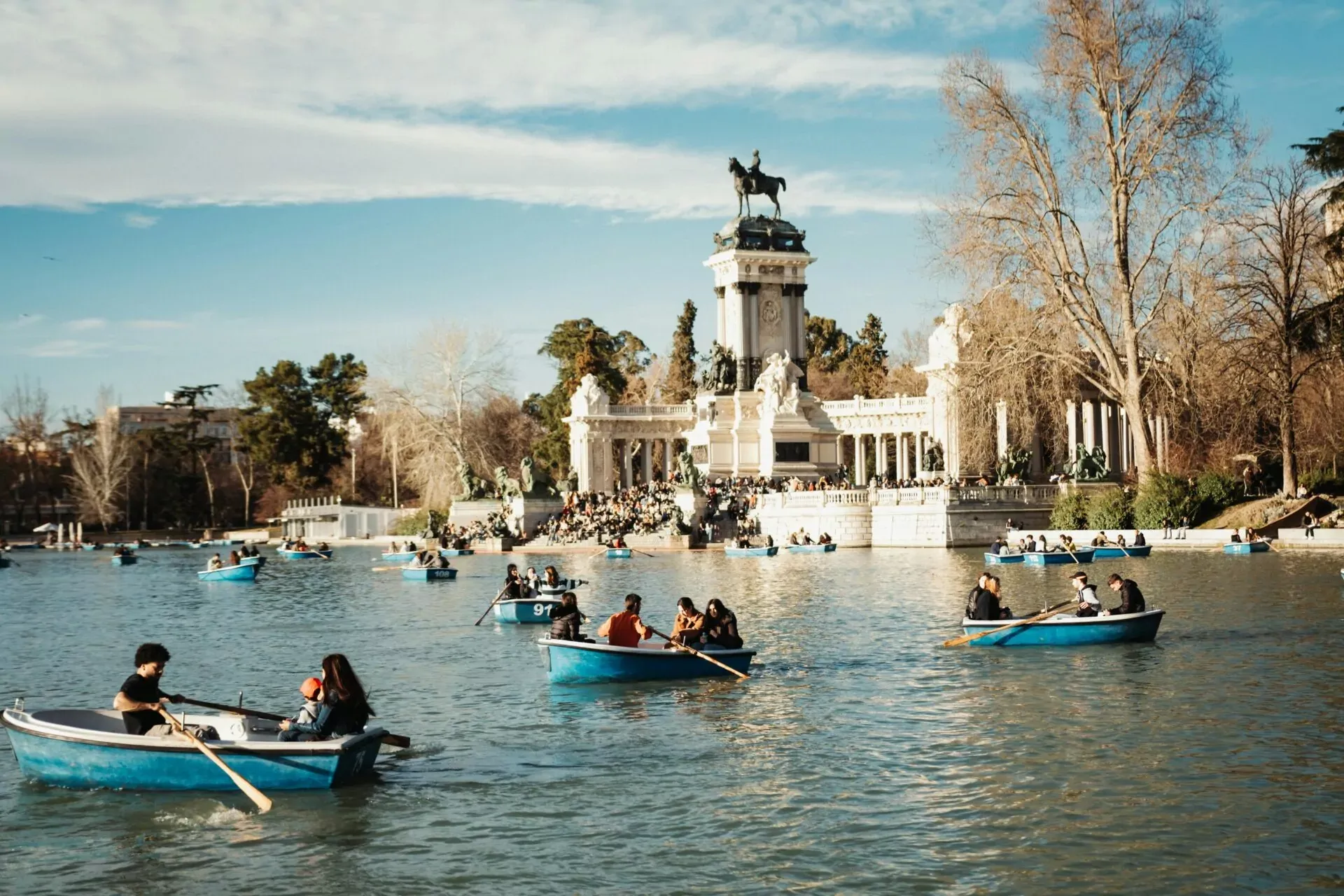
Best Parks and Places to Relax in Madrid: A Local’s Guide
Discover Madrid’s best parks and calm spots to unwind, from grand gardens to quiet corners, with practical local tips for a relaxed break.

Culture • Food • 5 min. read
Madrid Adventures: Fun for All Ages!
Explore Madrid with family-friendly walking adventures, local stories, and sights for all ages. Easy pace, practical tips, no fuss.
Culture • History • Tours • 6 min. read
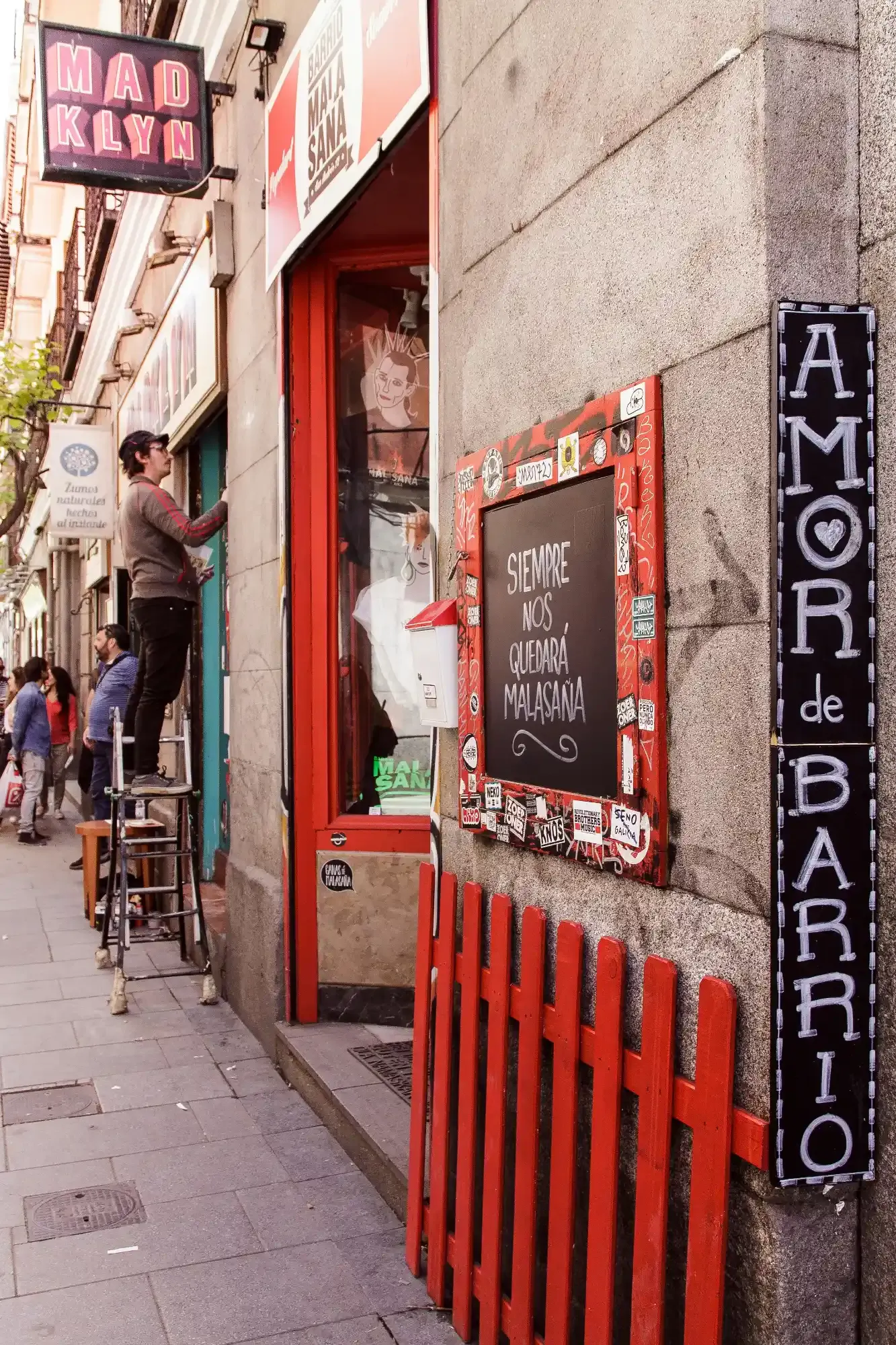
Madrid’s Historic Neighborhoods: Architecture, Art, and Local Culture
The 1776 palace of the Marquis of Matallana in Chueca and the 1980s retro streets of Malasaña offer two very different perspectives on local history. Moving beyond the major museums, a walk through central Madrid connects centuries of royal architecture with modern neighborhood avenues. From the open-air stalls of the El Rastro market to the traditional courtyard corralas of Lavapiés, these districts outline how the capital took shape.
Culture • Practical Tips • 4 min. read
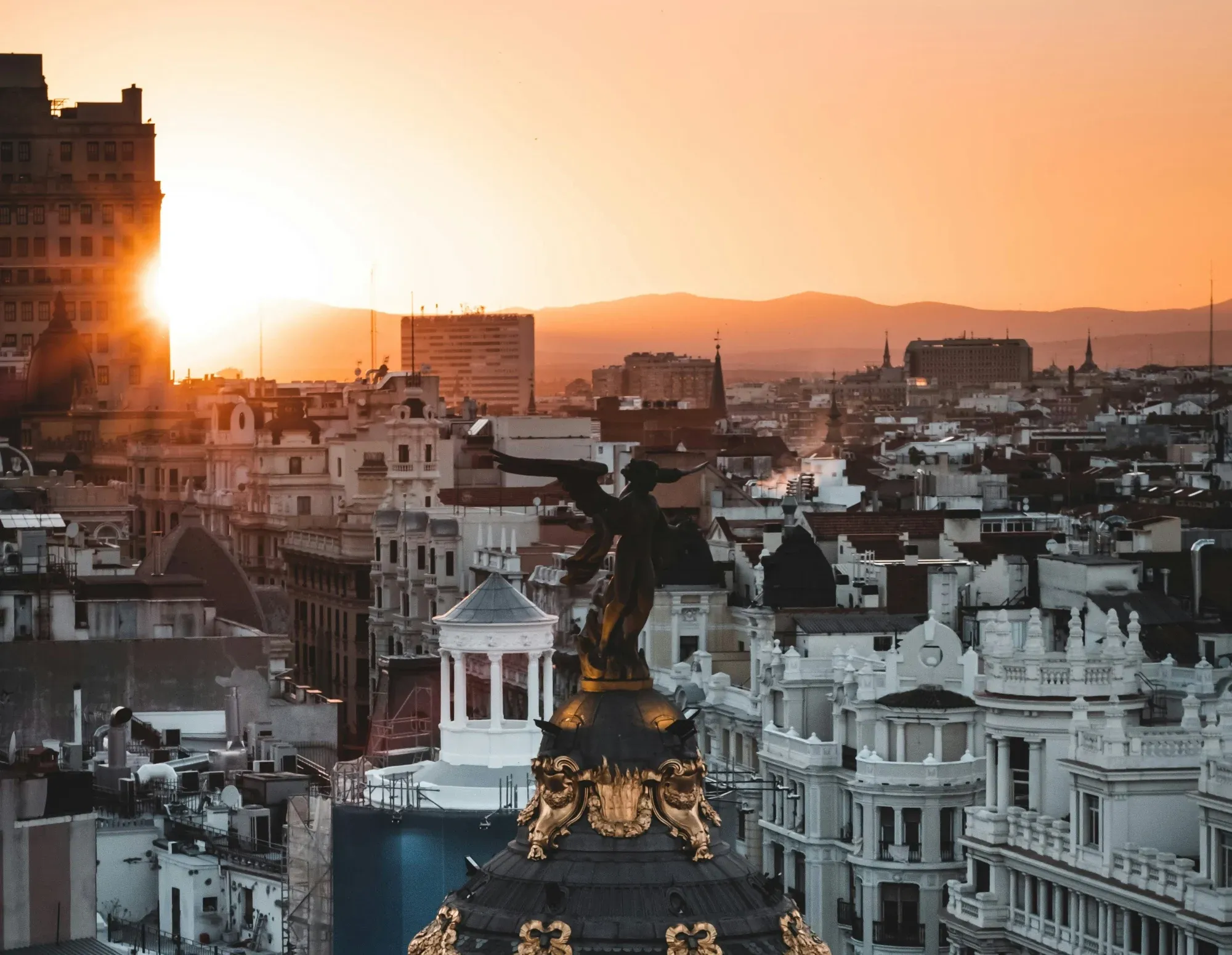
Where to Experience Golden Hour in Madrid
Facing west toward the Casa de Campo, the recently opened Mirador de la Cornisa provides an unobstructed vantage point as evening sets in. Madrid holds a variety of natural and historic balconies that catch the late afternoon sun, from the ancient stones of the Temple of Debod to the quieter pine hills of Dehesa de la Villa. Knowing where to stand during these brief minutes can turn a standard afternoon walk into a memorable end to the day.
History • 6 min. read
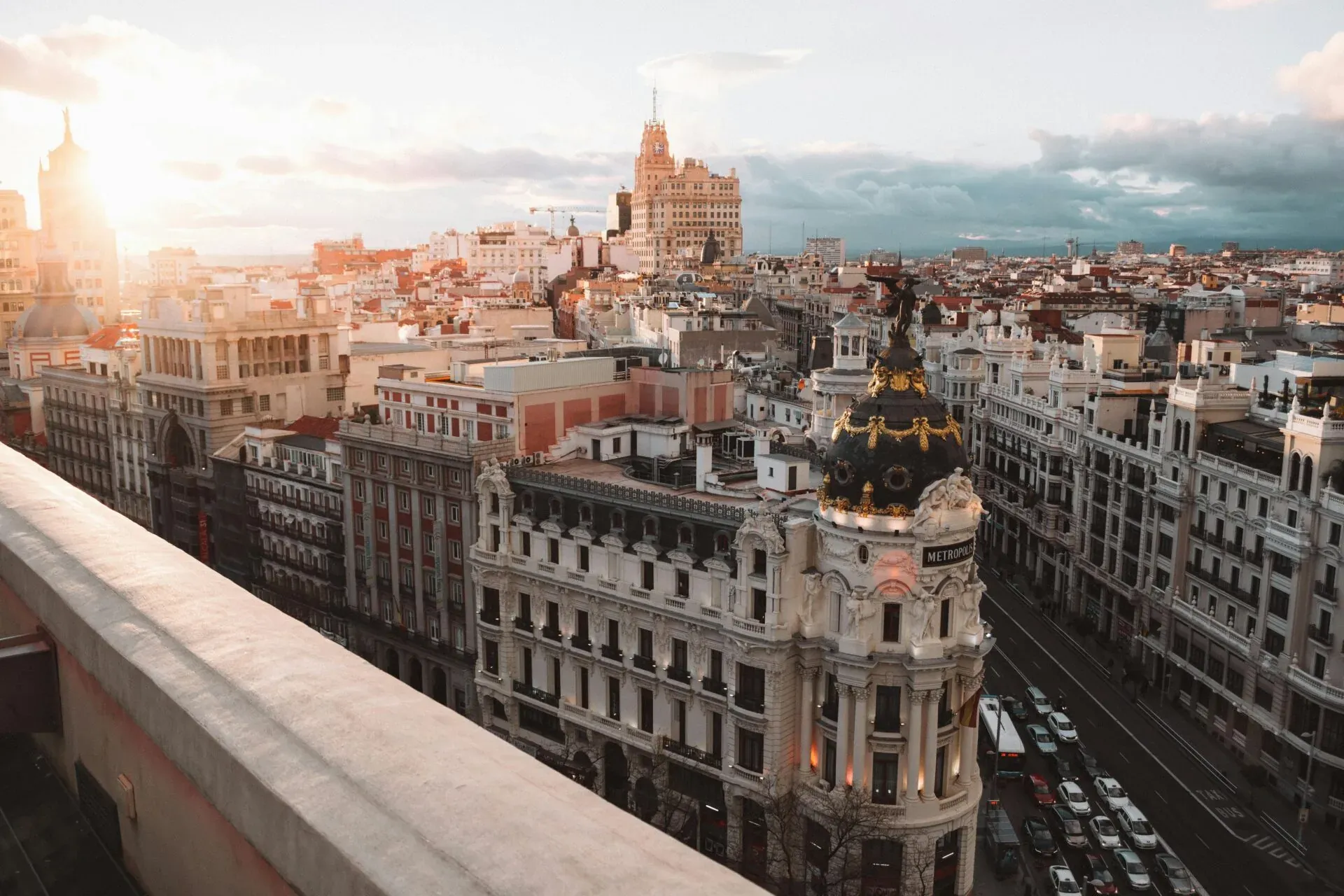
Madrid Magic: A 3-Day Adventure
From flamenco to tapas, from landmarks to hidden gems, our 3-day itinerary will guide you through the city’s best offerings. Ready to discover the magic of Madrid? Let’s go!