Warsaw at War: Walking Tour of WWII, the Ghetto & 1944 Uprising
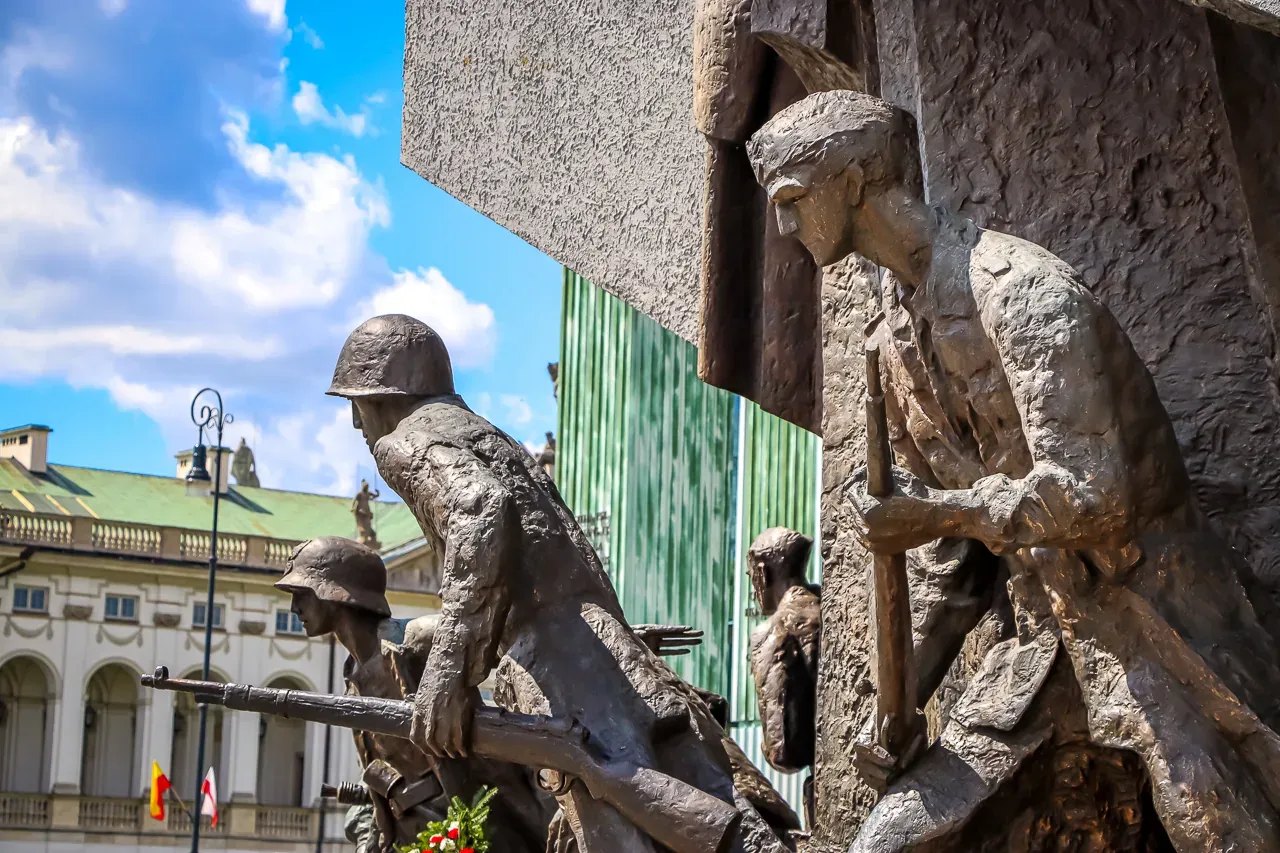
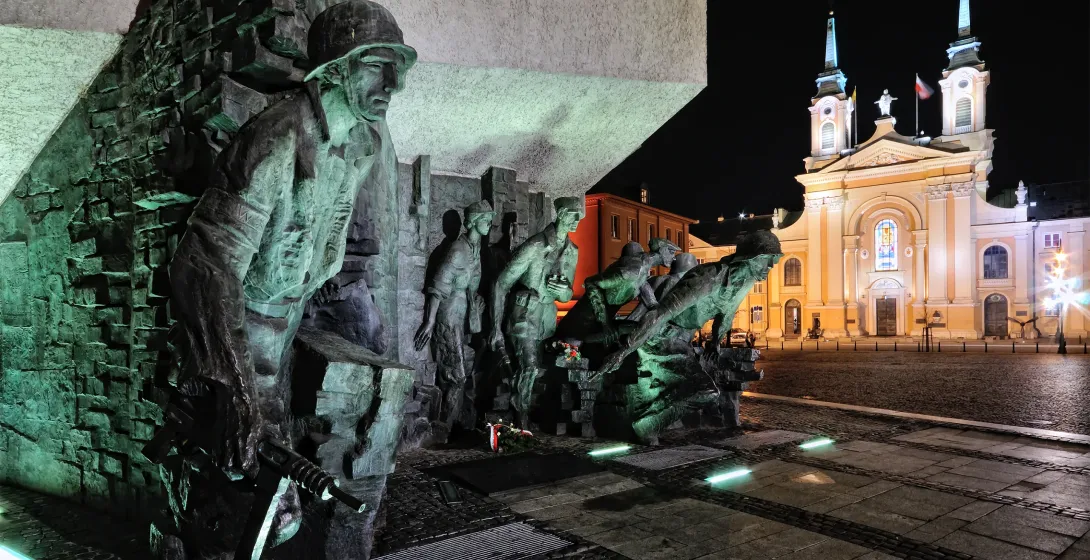
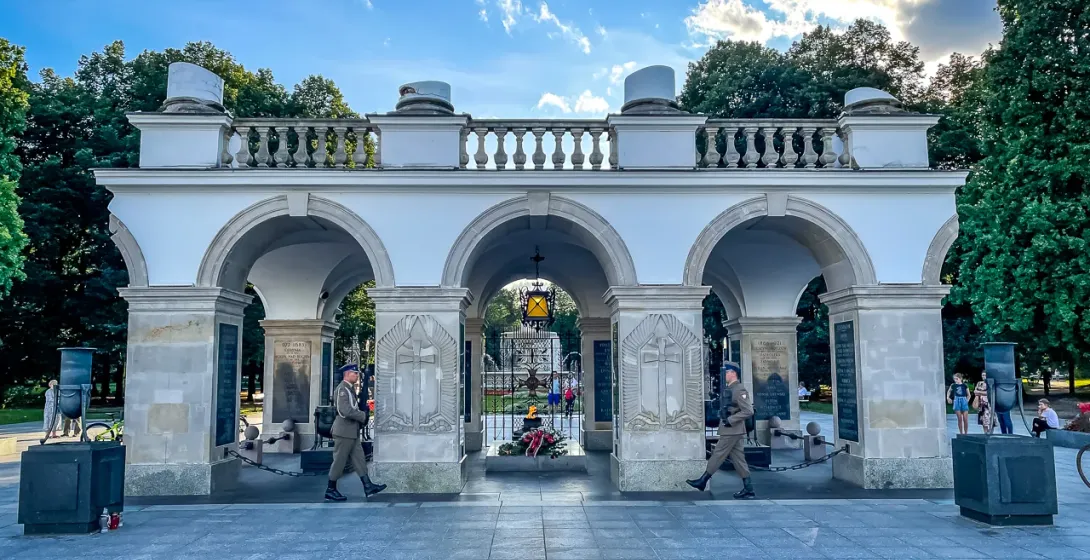
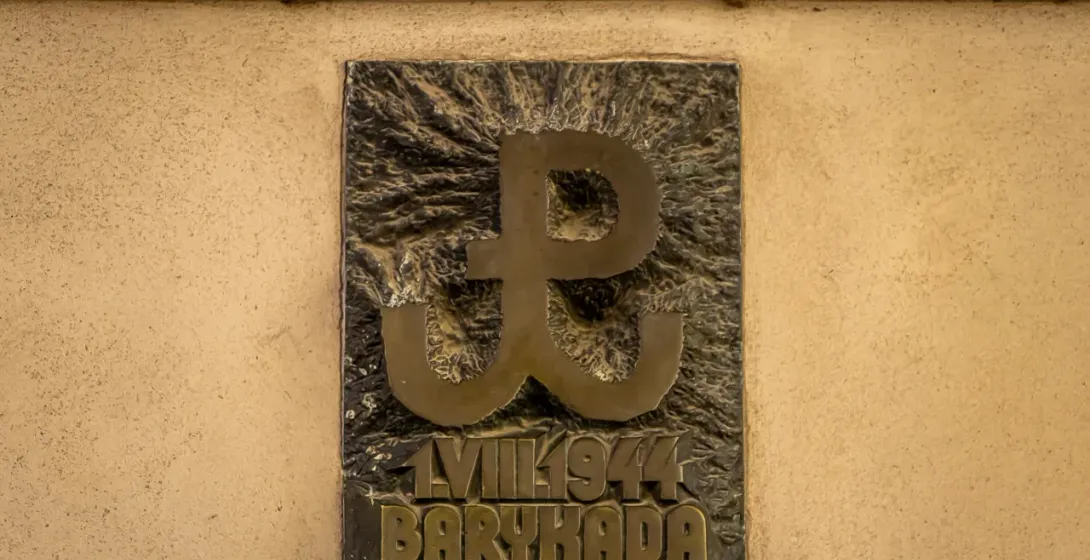
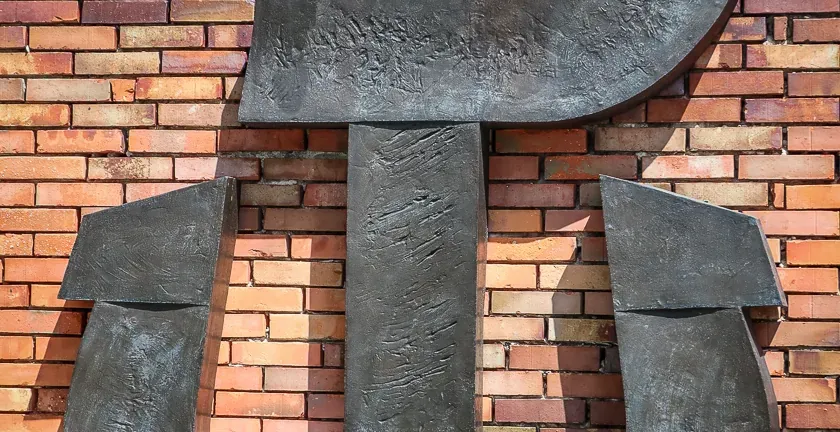
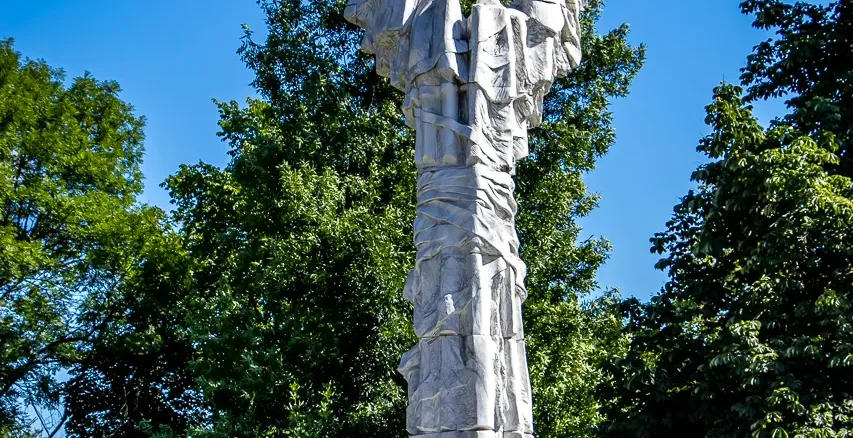
We trace Warsaw’s WWII history—occupation, the Ghetto, and the 1944 Uprising—across the Old Town and city centre: Zygmunt’s Column, Monument of the Little Insurgent, Warsaw Uprising Monument, Ghetto boundary markers, and the Tomb of the Unknown Soldier.



Basic Information
Total time
2h
Language
English, Spanish (check the calendar for availability)
Price
Our “Pay What You Wish” tours don’t have a fixed price — you decide how much the experience was worth. At the end of the tour, please make a fair contribution that reflects your satisfaction and appreciation for your guide’s work. Most guests give between €10 and €50 per person.
Meeting point
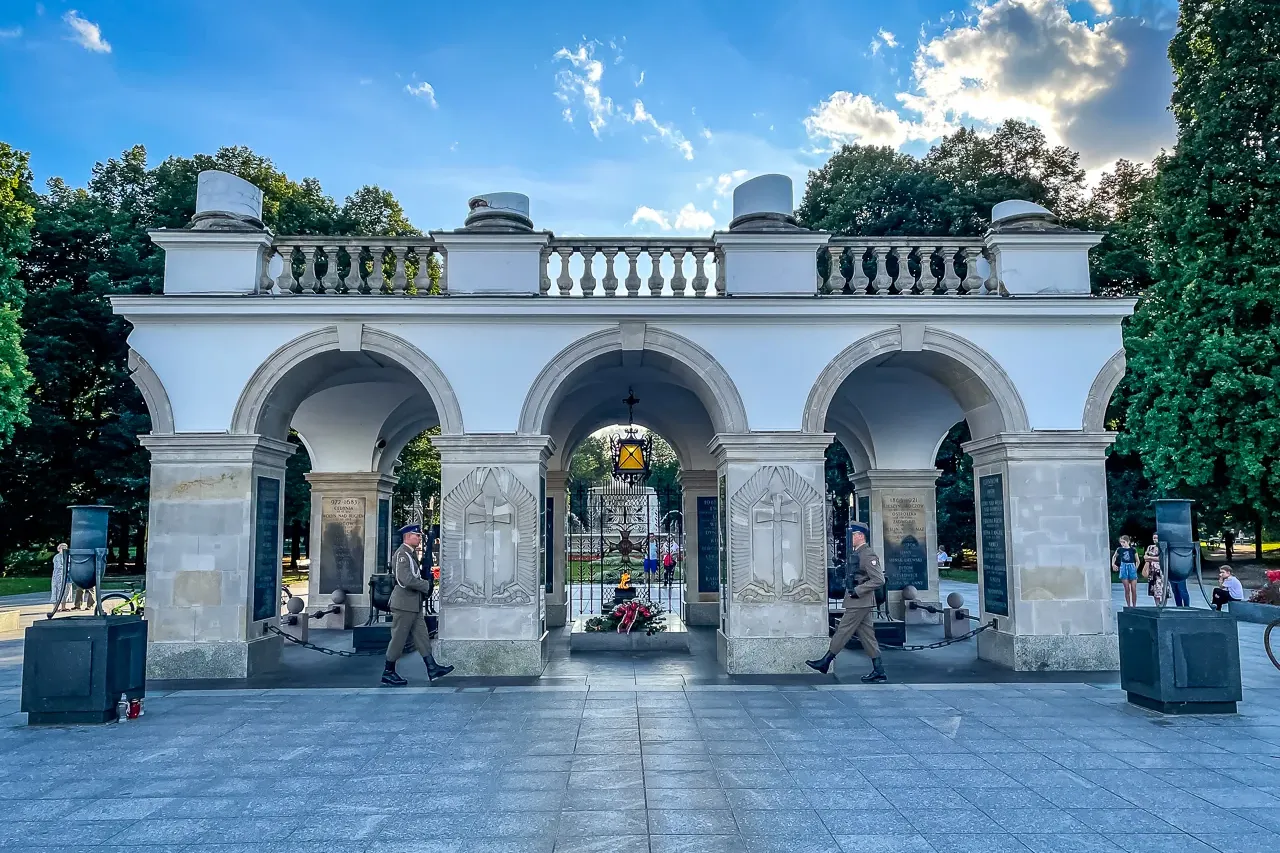
The Tomb of the Unknown Soldier in Piłsudski Square

Additional info
☂︎ This tour is organised by Walkative Warsaw guides. Look for the guide with the yellow umbrella.
♿️ Tour suitable for people with reduced mobility and strollers
❗Our tours run in all weather conditions. High or low temperatures, rain, or snow are never a reason for us to cancel. We’re always here for you! The only reasons for cancellation are extreme weather conditions (such as heavy storms), a guide’s sudden illness, or if there are fewer than 5 registered participants. In such cases, we will always notify you using the contact information you provided when booking the tour.Booking rules
Booking is obligatory. Our “Pay What You Wish” tours are meant for individual travellers and small groups. Large groups (8 or more people) cannot join these tours, as they significantly affect the experience for others and the guide. For school trips, organised tours, or groups of friends, please book our paid option (18€ per person) or arrange a Private Tour. For more information or to schedule a group visit, please contact us directly.
About the tour
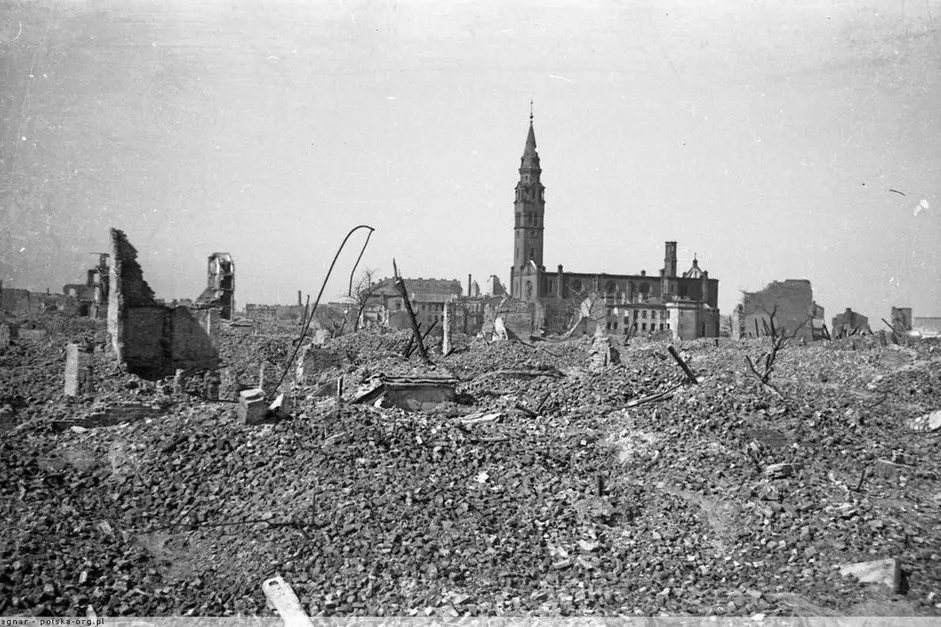

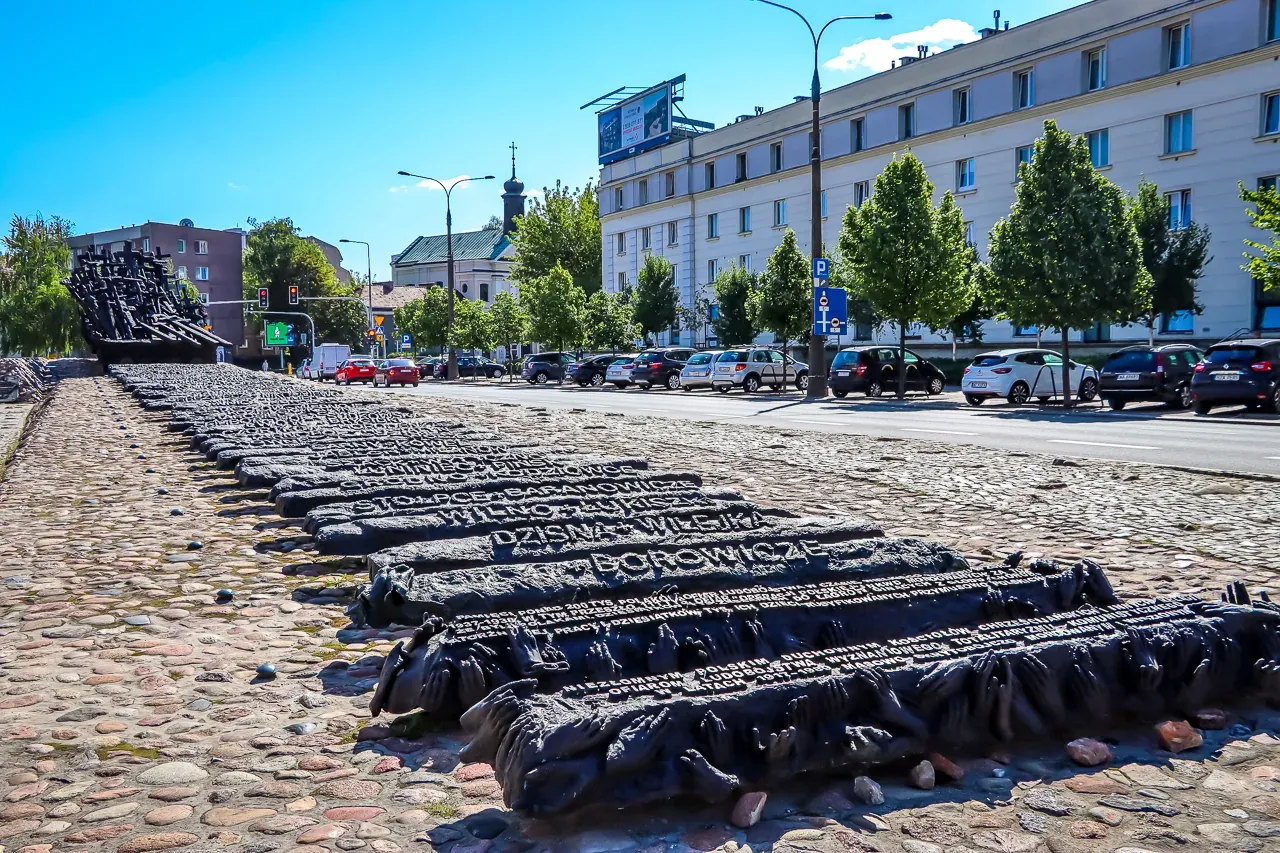
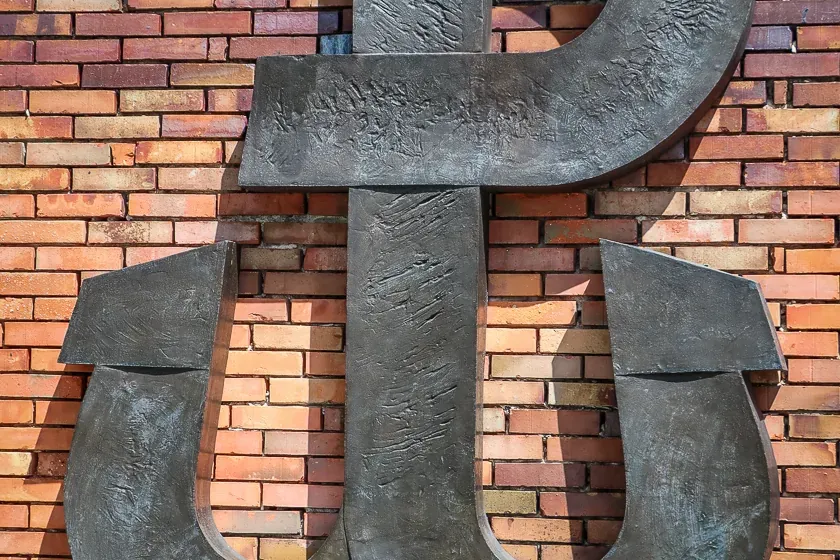
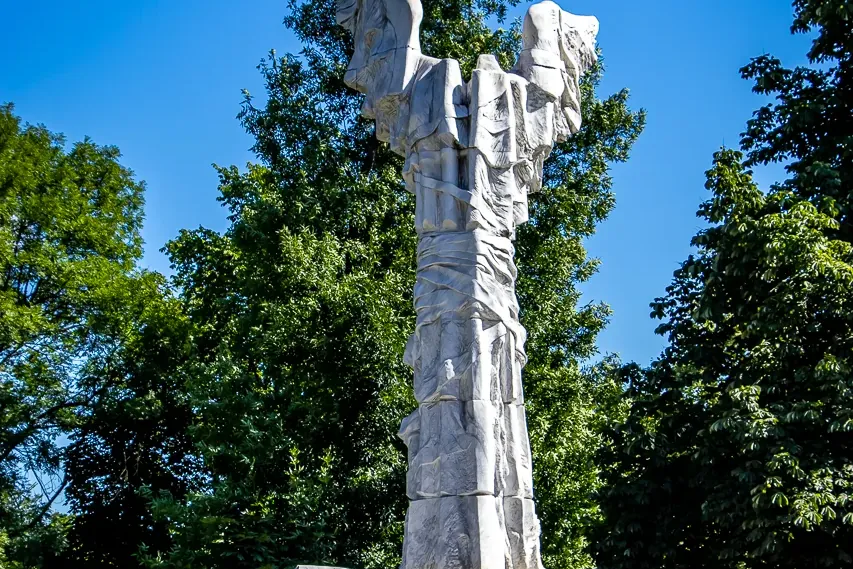
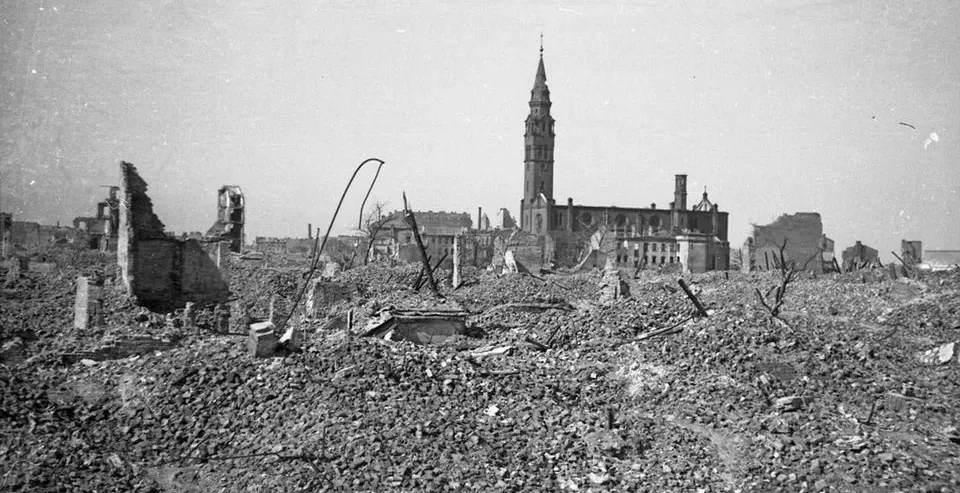
Imagine a city that had almost 1.4 million people before World War II. Six years later, its ruins were inhabited by only several thousand survivors. Imagine a city that fought against the occupiers from the very first till the very last day. Imagine a city where every street, every corner, every courtyard has a wartime story to tell.
First, there was 1939 and the German and Soviet invasions. Then, years of occupation. In 1940, the Germans created the largest ghetto in occupied Europe here, which was razed to the ground in 1943 after the crushing of the Jewish uprising. A year later, the city was again in flames – this time because of the Polish national uprising of 1944. After 63 days of heavy urban fighting, it was crushed while the Red Army stood idle on the other side of the Vistula River. When they finally crossed over, the city and its people were no more.
Enter a world of unimaginable terror and brutality. Understand people’s eagerness to fight back. Feel the grave meaning of the decisions they had to make. Listen to stories of bravery and cowardice, loyalty and betrayal, but also of daily life under the occupation. Enter a different world – the world of Warsaw at war.
The exact tour route can vary depending on the guide.
Highlights
- 1
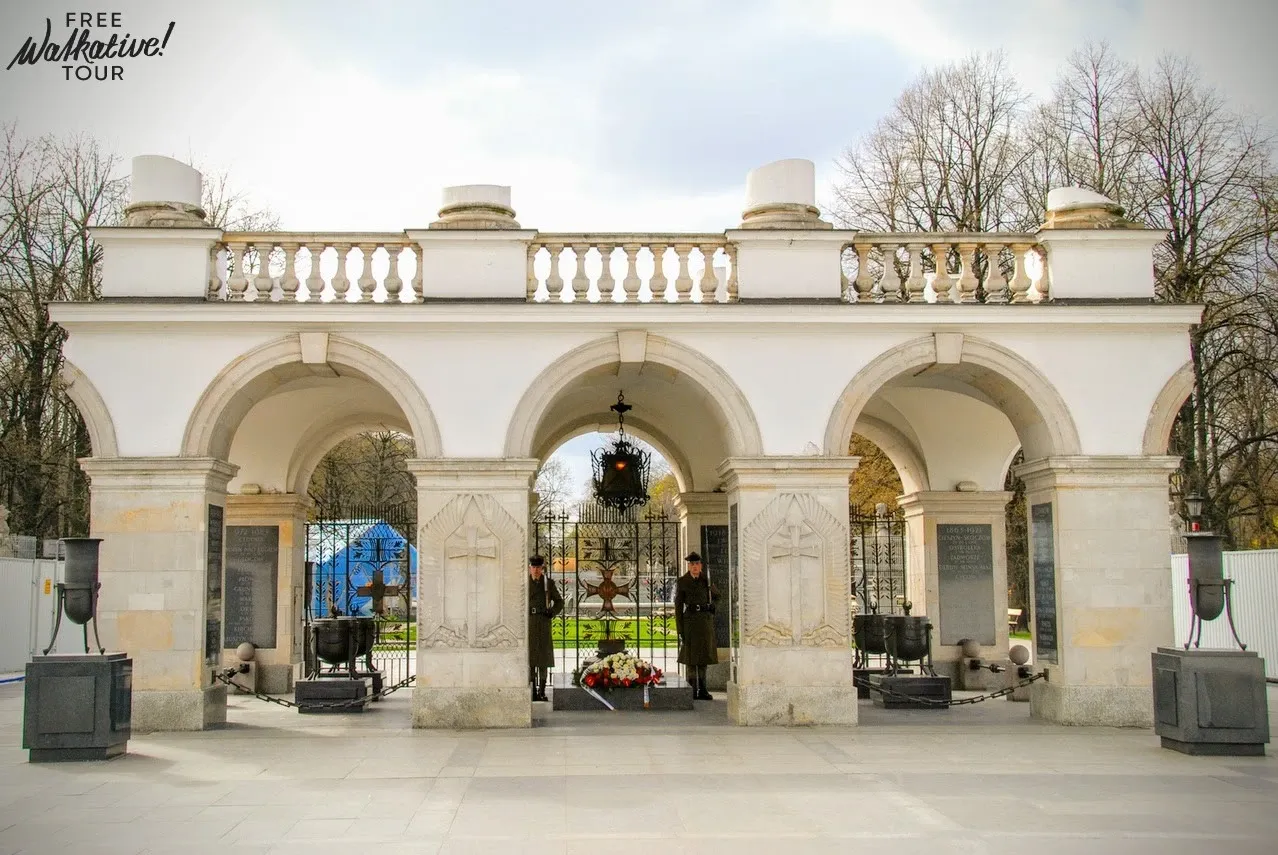
The Tomb of the Unknown Soldier
Dedicated to the unknown soldiers who have given their lives for Poland
- 2
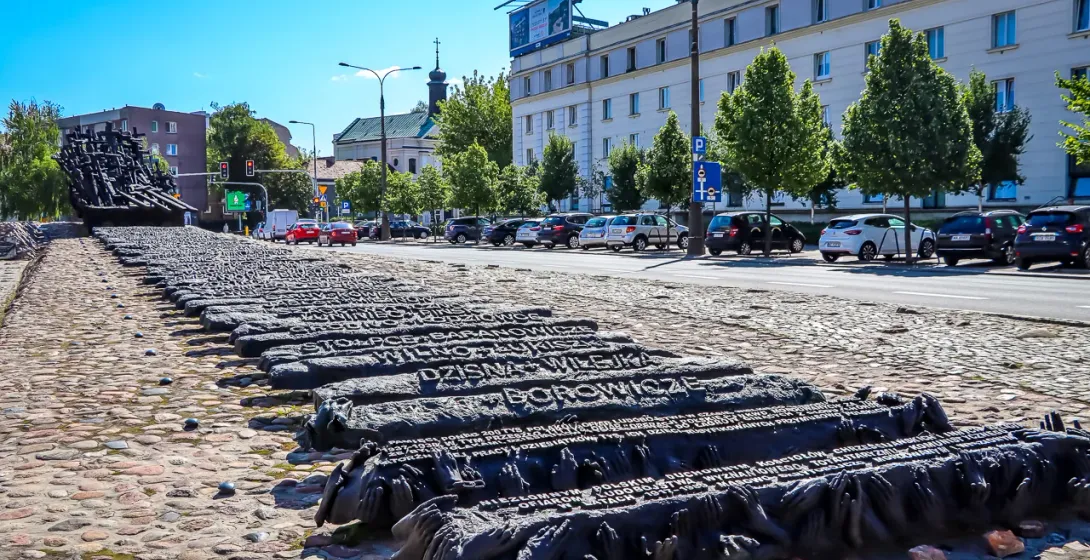
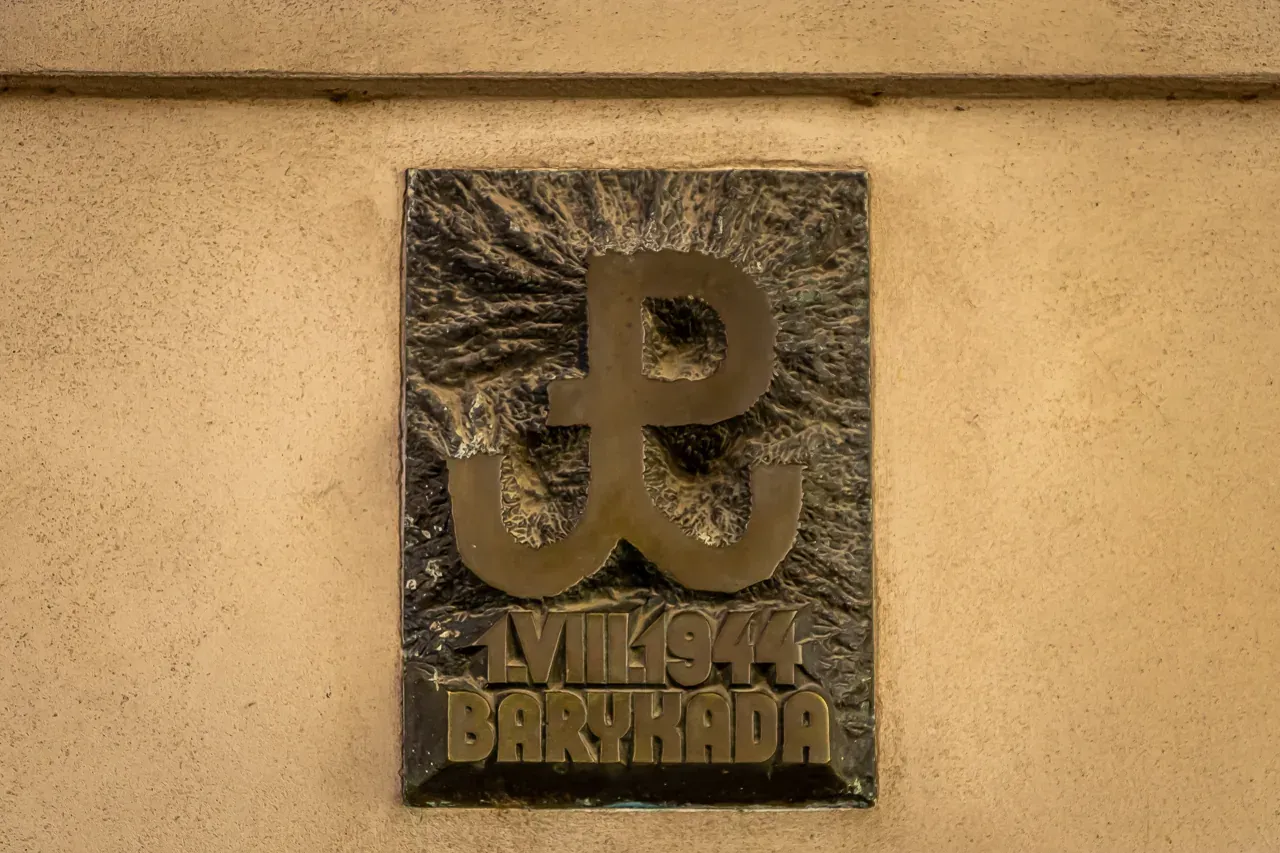
Warsaw Ghetto boundary markers
Symbol of the largest Jewish ghetto in occupied Europe, destroyed after the 1943 uprising.
- 3
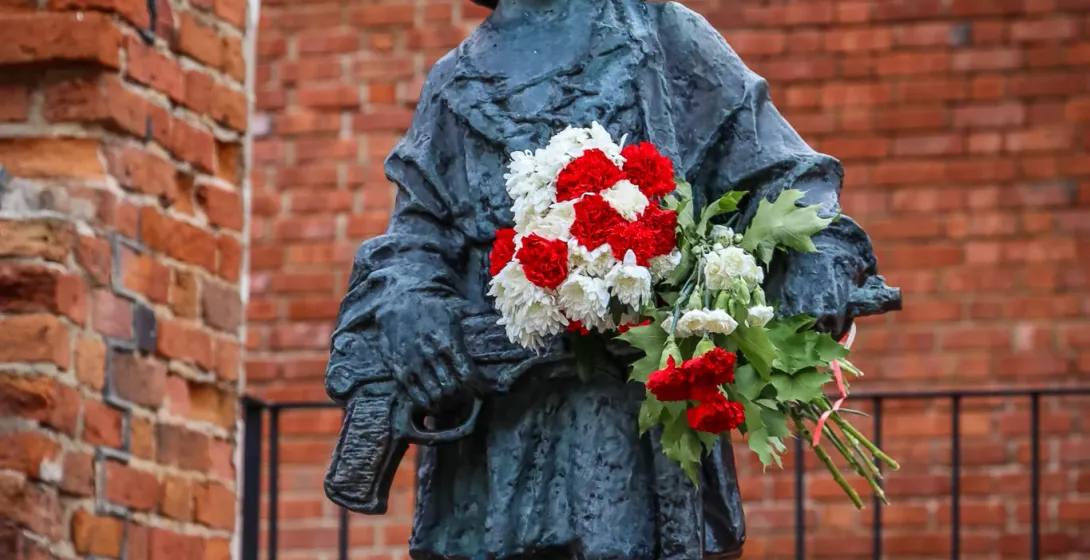
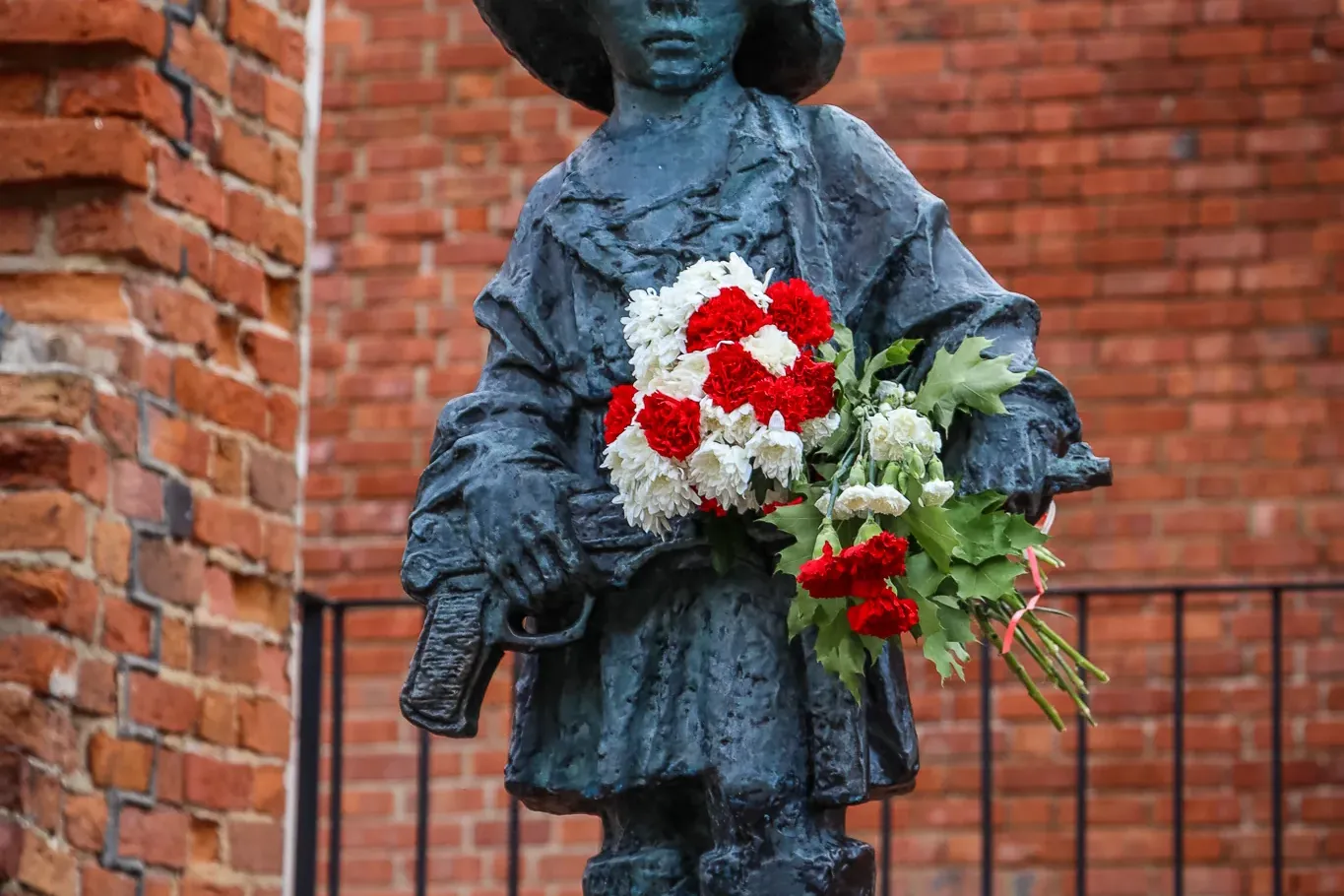
Little Insurgent Monument
A moving tribute to the child soldiers who fought and died during the Warsaw Uprising.
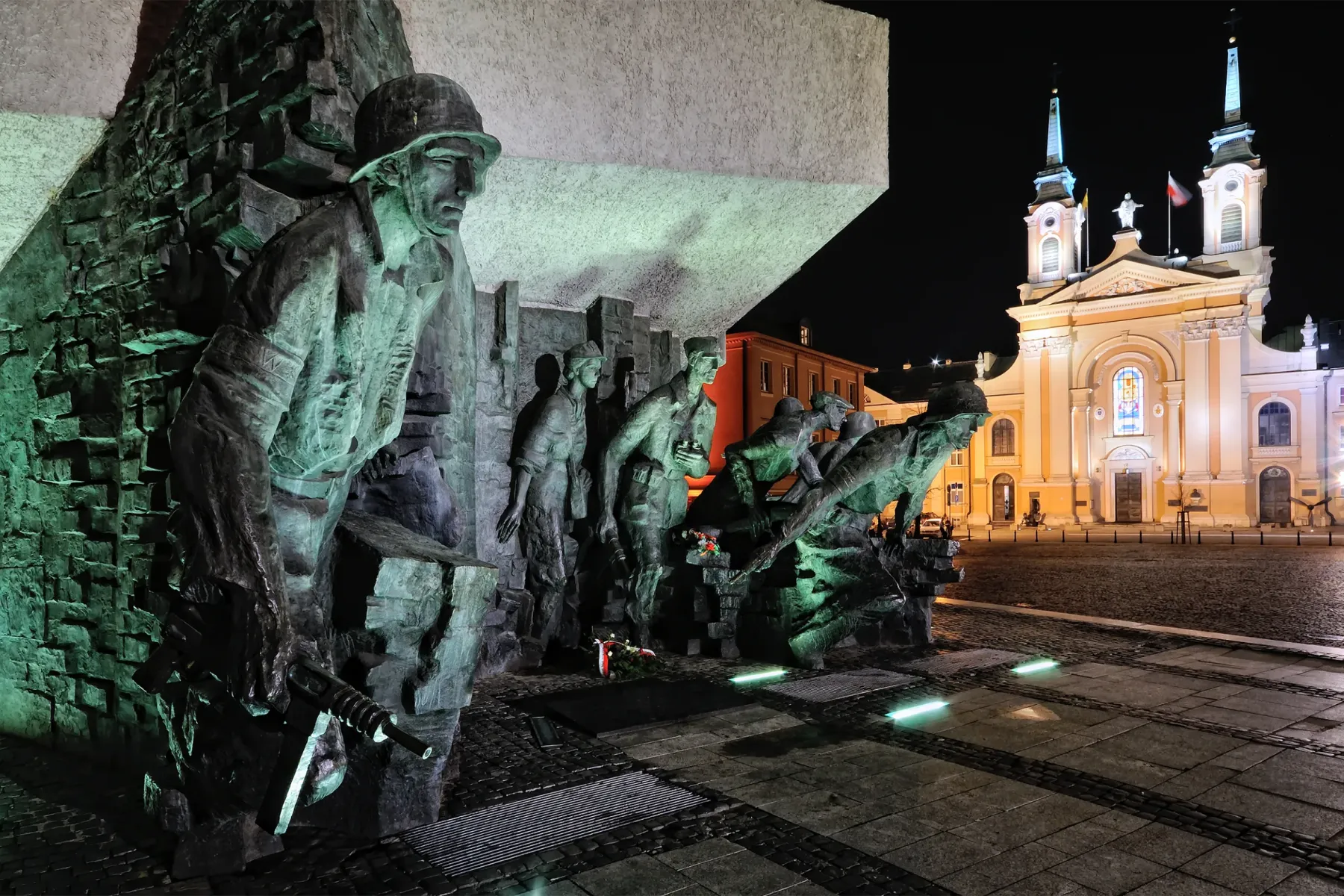
- 4
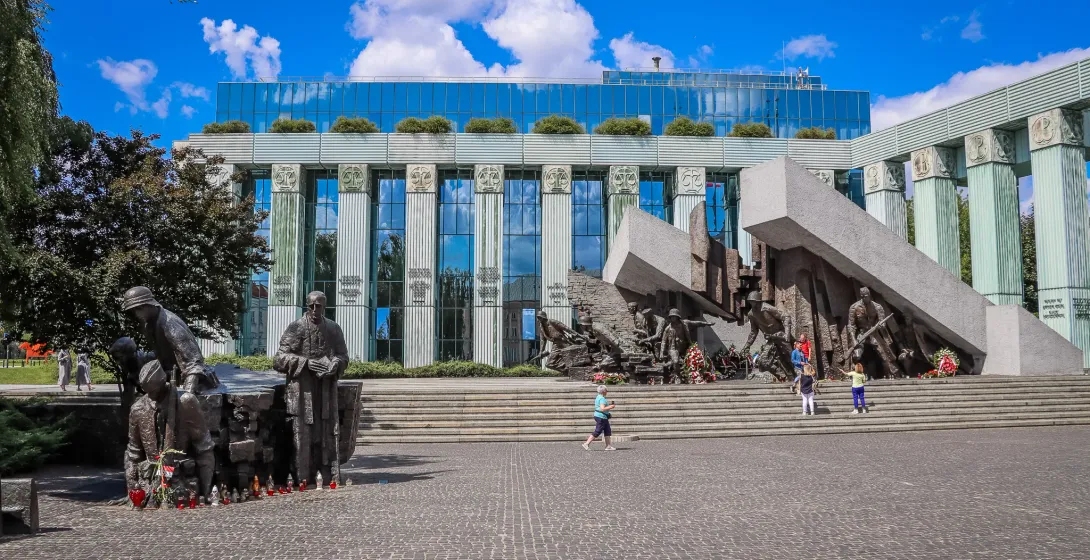
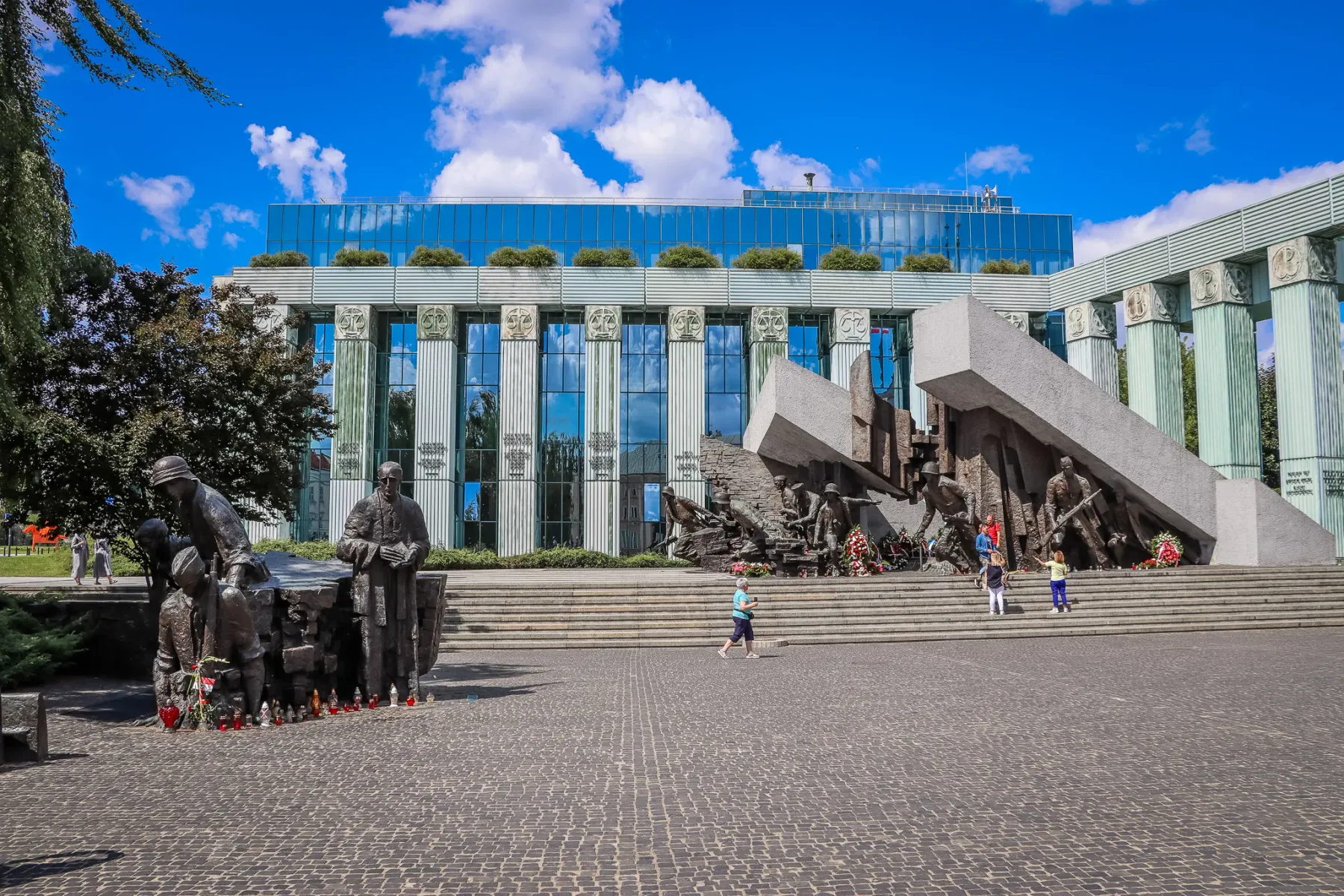
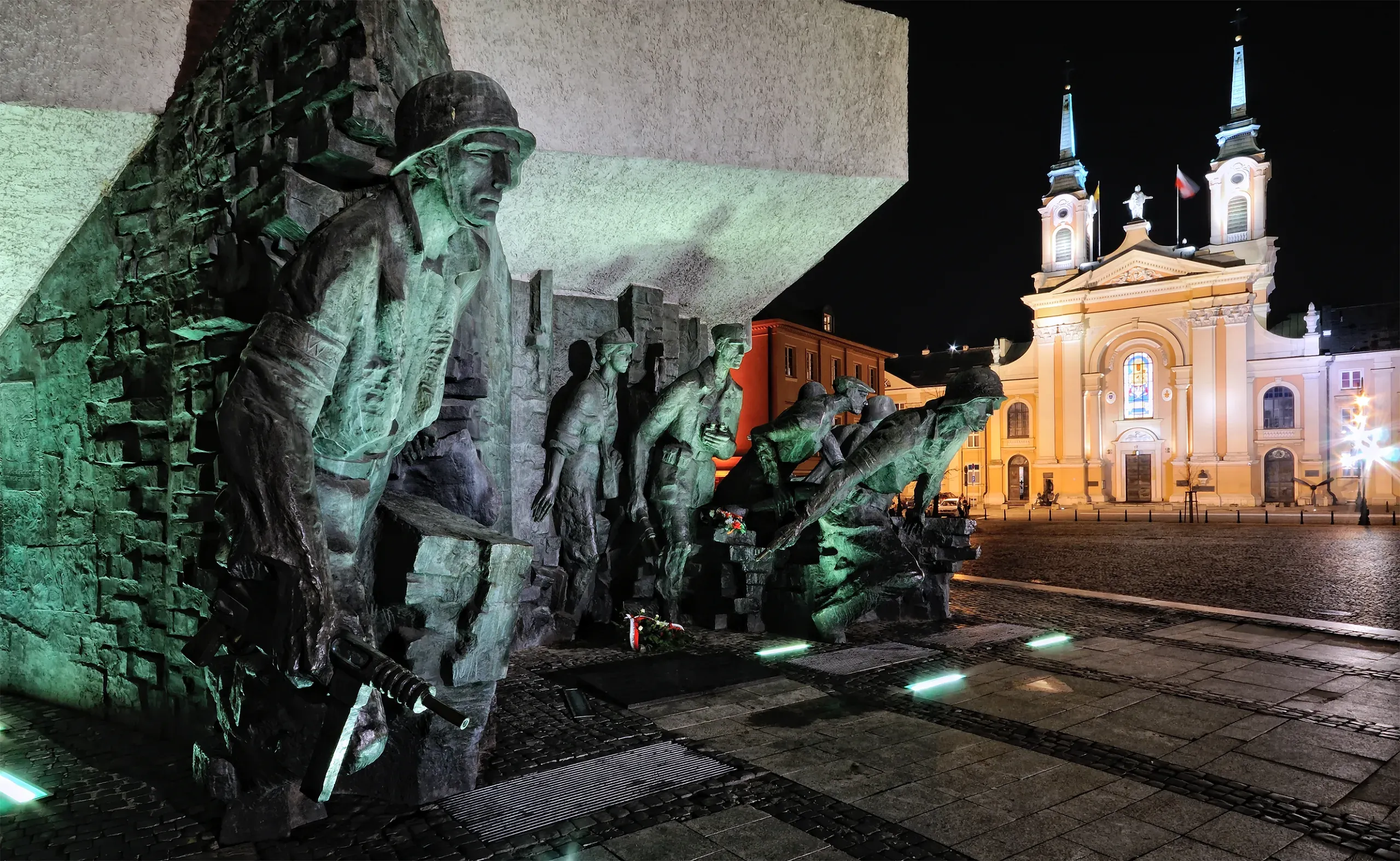
Warsaw Uprising Monument
A dramatic monument dedicated to the heroes and victims of the city-wide 1944 rebellion.
- 5
Former Bank of Poland
One of few original buildings that survived World War II
FAQ
Map
The Tomb of the Unknown Soldier in Piłsudski Square
See the latest articles
History • Tours • 5 min. read
Warsaw and World War II: Navigating a City of Remembrance
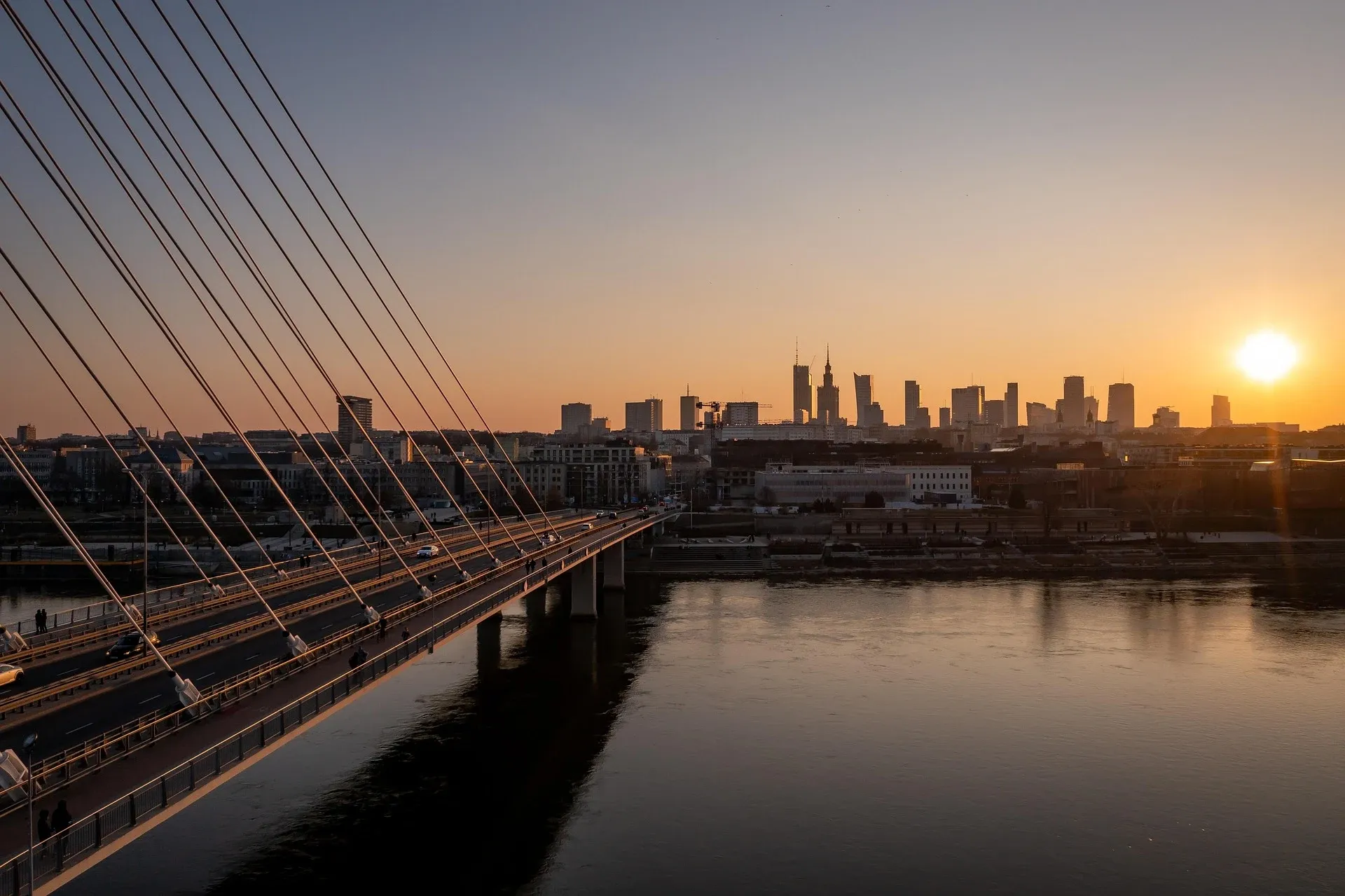
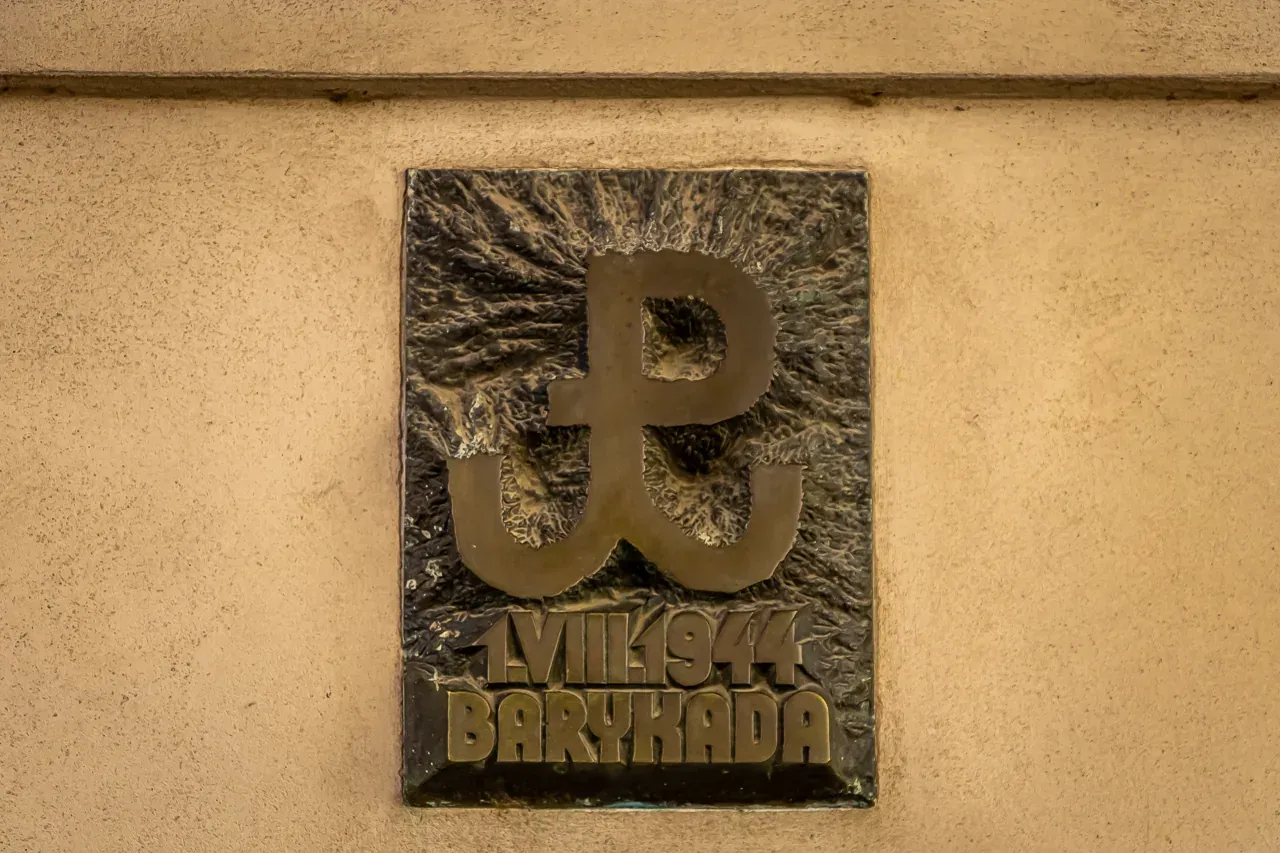
Sandstone plaques on residential buildings and a massive hill built from wartime rubble define the physical memory of Warsaw today. The city's landscape of remembrance extends far beyond museum walls, integrating the tragedies of the 1943 Ghetto uprising and the 1944 resistance into everyday streets. Understanding this layered history transforms a casual walk through the capital into a deep encounter with its endurance.
Newsletter • 5 min. read
Things to Do in Warsaw in September 2026
As the lingering summer heat of 2026 gently gives way to the crisp, refreshing breezes of early autumn, the Polish capital is transforming. The leaves in Łazienki Park and the Ujazdów Castle gardens are just beginning to turn, hinting at the arrival of the famous "Złota Polska Jesień" (Golden Polish Autumn).
History • Tours • 4 min. read
The Warsaw Uprising: Fighting for Sovereignty in 1944
Explore the history of the 1944 Warsaw Uprising. Learn about W-Hour, the Rising Museum, and the monuments that honor the city's fight for sovereignty.
Newsletter • 5 min. read
Things to Do in Warsaw in August 2026
️ Summer in the City: Warsaw Newsletter - August 2026 Welcome to August in Warsaw! As we soak up the final full month of summer, the Polish capital is buzzing with outdoor cultural events, deeply moving historical commemorations, and lively riverside evenings. Whether you are a history buff, a classical music lover, or a foodie, Warsaw is packed with unforgettable experiences this month.
Our customers said about us
Warsaw
Greg5.9.2026
Warsaw
Alina5.9.2026
Warsaw
Yolanda30.8.2026
El guía, Manuel, es fantástico. El tour esta bien, pero es mas corto de lo que dice la página de Walkative, terminamos como un cuarto de hora antes. Además, se queda un poco corto de contenido, y eso que el guía lo lleva bien preparado con fotos, mapas, etc. Pero falta al mas de "chicha". Aun así, es un paseo agradable y muy recomendable.
Warsaw
Mats28.8.2026
Warsaw
Fenne22.8.2026
Agnieska is a great guide and has a lot to tell about Warsaw’s history. She tells the story in a clear and playful way, so it’s easy to follow and easy to concentrate.
Warsaw
Xavier20.8.2026
Warsaw
Federica17.8.2026
The tour was interesting and full of real episodes connected to the places we visited. Andrzej, our guide, told us the history with great emphasis. A tour worth taking.